
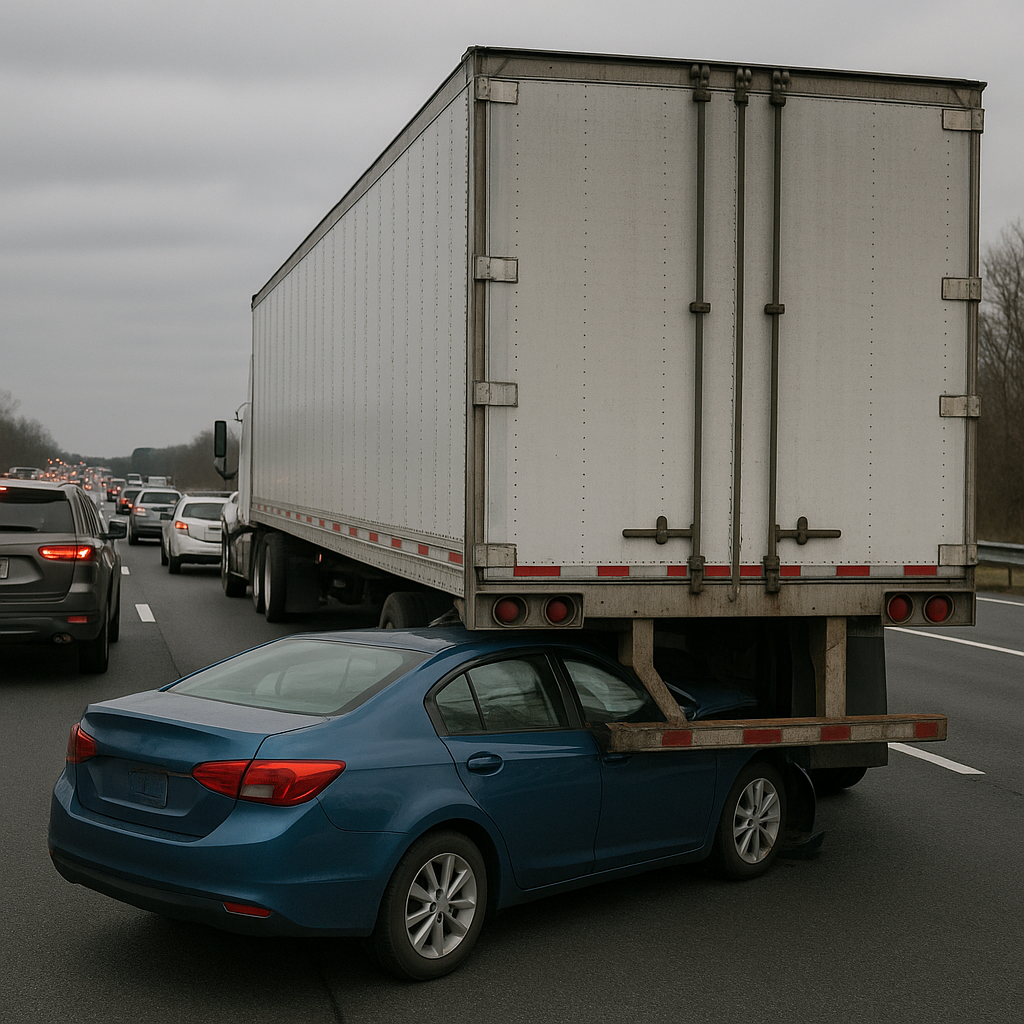
Underride Crash During Stop and Go Traffic
Underride collisions can occur suddenly and unexpectedly, even in low-speed environments. One such situation involves an underride crash during stop and go traffic. This article explores what typically happens in these scenarios, the effects of such crashes, and the questions that often arise in their aftermath.
What Is an Underride Accident in Traffic?
An underride accident happens when a smaller passenger vehicle slides or is forced underneath the rear or side of a larger vehicle, such as a tractor-trailer. In stop and go traffic, changing speeds and sudden stops can set the stage for this type of collision.
How These Crashes Unfold on Busy Roads
During periods of heavy congestion, vehicles frequently slow down and accelerate with little warning. Drivers behind large trucks sometimes underestimate following distance or may be distracted by surrounding activity. If the larger vehicle stops abruptly, a car trailing too closely may not be able to brake in time. The outcome is often the smaller vehicle’s front end wedging beneath the truck’s rear.
Typical Circumstances Contributing to Collisions
Distracted driving, inconsistent speeds, and limited visibility behind high-sided trailers can increase risk. Slippery road conditions or sudden mechanical issues may also play a role. Even at low speeds, the configuration of traffic flow can leave little room for quick reactions.
Physical and Practical Effects After an Underride Crash
Once an underride event occurs, the results can be significant, affecting both vehicles and the flow of traffic around the scene.
Damage to Vehicles Involved
A car involved in a stop go underride usually sustains substantial frontal damage. Lower portions of the vehicle may be crushed, particularly the hood, windshield, and roof edge. The truck, by contrast, often shows less apparent rear-end damage due to its height and structural reinforcement.
Impact on Traffic Conditions
Stop and go stretches can already test drivers’ patience. A crash of this nature typically causes lane blockages and long backups as emergency responders and tow vehicles clear the roadway. Afternoon or morning commutes may see extensive delays.
Passenger and Driver Concerns
Serious injuries can occur depending on how far the passenger vehicle slides underneath the truck. Occupants may be concerned about potential harm and the time required for emergency crews to arrive, especially in slow-moving conditions.
Common Questions After Stop Go Underride Collisions
Following an underride collision in stop and go traffic, a variety of concerns emerge for those involved and those witnessing the event.
How To Respond at the Scene
Drivers and passengers often wonder what immediate steps to take. Ensuring personal safety, surveying the situation, and waiting for help are priorities. If communication is possible, checking on others and notifying authorities are common first responses.
Assessing Vehicle Condition
Another frequent concern is whether vehicles can be moved out of traffic. Road safety often depends on clearing lanes swiftly, but severely damaged vehicles may need assistance before they can be relocated.
Addressing Commuter Disruption
Other drivers may question how long delays will last and how to reroute their trips. Traffic information updates and on-scene direction from traffic officers help manage expectations for those caught in congestion.
Reflecting on Stop Go Underride Events
Underride crashes during stop and go traffic are complex and can have noteworthy repercussions for those involved and for general traffic flow. Understanding the circumstances that lead to such incidents, as well as recognizing their outcomes, can support awareness and preparedness. By learning more about these occurrences, drivers may gain insights into safer habits and better responses in challenging roadway situations.