
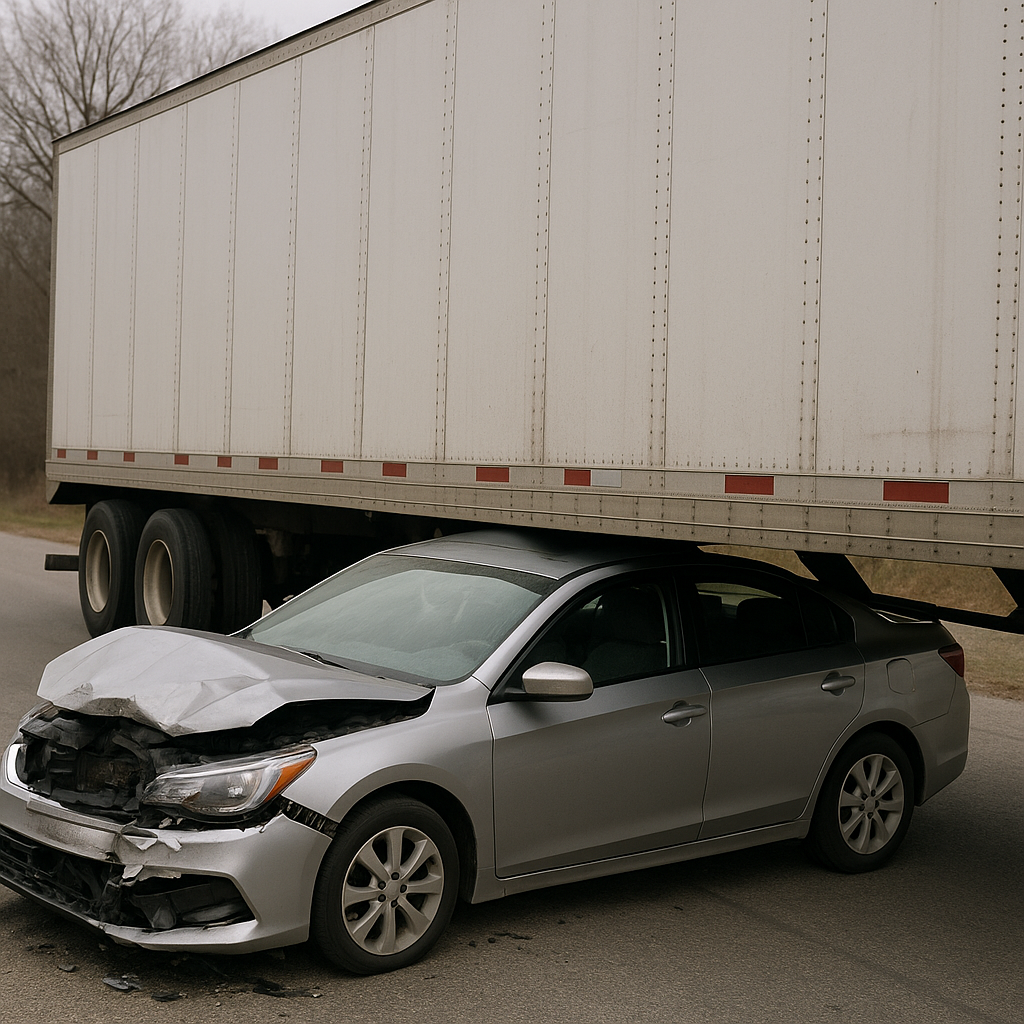
Underride Crash Involving Trailer Clearance Height
When a vehicle collides with the rear or side of a trailer and slides beneath it, this is known as an underride crash. These incidents are often associated with the clearance height of trailers—essentially, the space between the bottom of the trailer and the road surface. Understanding how trailer clearance height contributes to underride crashes, and what typically happens after such a scenario, can provide insight into both the physical mechanics and practical aftermath.
How Clearance Height Influences Underride Crashes
Trailer clearance height plays a fundamental role in underride incidents. Standard trailers are designed with a specific gap between their lower edge and the pavement, but variations in height exist due to cargo loads, suspension types, or road conditions. When a passenger vehicle approaches a trailer with a high clearance, the risk increases for the vehicle to travel underneath the trailer during a collision rather than stopping against its rear or side.
Typical Sequence in an Underride Situation
In many cases, underride crashes occur during low-visibility conditions or sudden slowdowns. The rear or side of a trailer may be less visible, especially at night or in adverse weather. If a following vehicle cannot stop in time or misjudges the distance, it may strike the trailer at a point where the clearance height is sufficient for the vehicle’s front end to go beneath the trailer frame. While some trailers are equipped with underride guards designed to prevent this outcome, variations in design and maintenance can affect their effectiveness.
Immediate Physical Results After Impact
When an underride takes place, the upper structure of the passenger vehicle can experience substantial intrusion. The majority of the impact force is delivered to the windshield level and beyond, which can compromise the safety zones typically designed to absorb front-end collisions. This can present unique hazards compared to standard rear-end impacts.
Practical Consequences Surrounding the Incident
After an underride crash involving trailer clearance height, several pragmatic challenges usually emerge. Traffic disruptions are frequent, as emergency services, cleanup crews, and sometimes heavy equipment are needed to address the crash scene.
Concerns About Vehicle Integrity
One of the first considerations involves assessing damage to both the passenger vehicle and the trailer. Passenger vehicles typically sustain major structural damage above the front bumper line. This impacts the ability of first responders to quickly access the vehicle interior, sometimes requiring specialized extrication methods.
Impact on Trailer Operations
Commercial vehicle operators may also face operational downtime while waiting for inspections or necessary repairs to the trailer. Depending on the severity of the incident, the trailer may require evaluation to determine continued roadworthiness before it can return to service.
Common Questions After an Underride Crash
What Factors Contribute to Elevated Risk?
Many people wonder about the specific factors that lead to a higher chance of an underride. Clearance height is one of several; the overall condition and visibility of the trailer, the scenario’s visibility level, and the presence or absence of effective underride guards all influence the event’s likelihood and severity.
Will Trailer Standards Evolve?
Curiosity often arises about whether industry standards might shift to further address underride risks. Discussions within transportation safety organizations often focus on ways trailer designs could be improved, either through consistent underride guard requirements or modified clearance heights.
##### How Does Awareness Help?
Both professional drivers and the general public can benefit from increased understanding of underride risks. Heightened awareness may influence driving practices and inspire ongoing improvements in road safety measures.
Looking Forward: Considerations in Reducing Underride Incidents
None of the factors contributing to underride crashes exist in isolation. Clearance height is a significant element, interacting with vehicle design, road conditions, and visibility features to influence outcomes. Continued attention to trailer design, improved safety technology, and public education remain important considerations in efforts to reduce underride incidents related to trailer clearance height.