
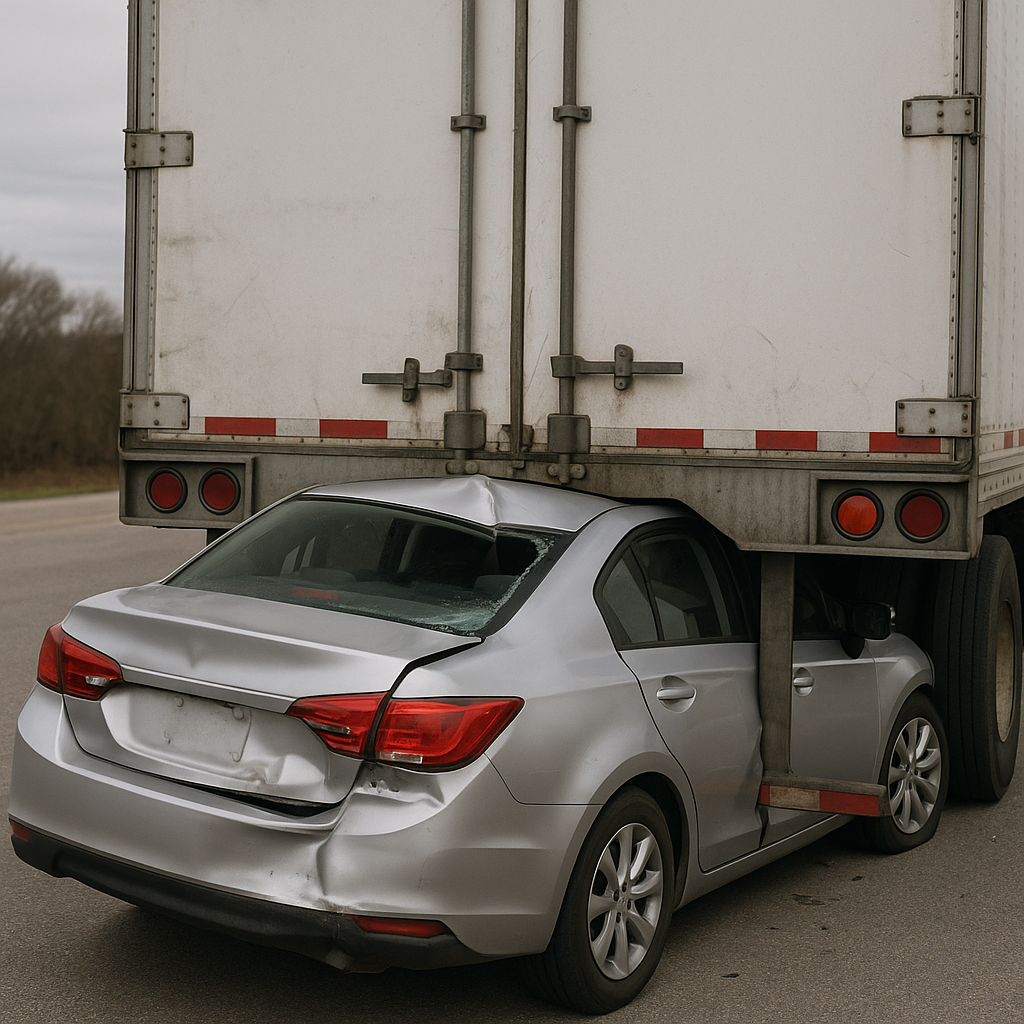
Underride Collision Involving Trailer Rear Visibility Issues
An underride collision occurs when a smaller vehicle slides beneath the rear end of a larger trailer, such as those used in long-haul trucking. Rear visibility issues have been identified as a contributing factor in some of these incidents. Concerns about these accidents often arise when drivers find it difficult to notice the trailer ahead, especially under poor lighting or low-visibility conditions.
Factors like faded reflective tape, lack of proper lighting, or obstructed taillights can decrease awareness of a trailer’s presence on the road. When these visibility concerns combine with traffic flow or reduced stopping distances, underride collisions become a safety issue.
Understanding How Rear Visibility Plays a Role
The Impact of Poor Trailer Markings
Trailers are typically required to have reflective markings and lights for nighttime and low-light conditions. If these are missing, malfunctioning, or covered by dirt or cargo, other drivers might not see the trailer until it is too late to react safely. This lack of sufficient visibility increases the likelihood of a smaller vehicle approaching too quickly or not noticing the trailer at all.
Driver Perception in Low-Visibility Conditions
In situations such as heavy rain, fog, or darkness, driver perception of distance and object size may be compromised. When a trailer lacks adequate rear visibility features, the ability to detect and accurately judge the trailer’s position on the road is further diminished. This combination can contribute to dangerous situations and increase the chance of a collision.
Outcomes Commonly Observed After an Underride Collision
Immediate Physical Effects at the Scene
When an underride collision takes place, the smaller vehicle may become lodged beneath the trailer. The force of the impact can compromise vehicle integrity, often causing significant damage to the upper parts of the colliding vehicle. First responders may need extra time and tools to safely manage the aftermath.
Impact on Traffic and Roadway Operations
Following the collision, traffic may be halted or redirected. Debris and damaged vehicles can block lanes, resulting in congestion and extended delays. Traffic management teams typically coordinate with emergency responders to clear the site and restore normal flow.
Safety Inspections and Scene Investigation
Ensuing safety inspections examine whether the trailer’s visibility features—such as tail lights, reflectors, and conspicuity tape—met regulatory standards. Investigators may also assess environmental factors like weather or road lighting to better understand the contributing elements.
Questions and Concerns Often Raised
Could Better Rear Visibility Have Prevented the Accident?
It is common to consider whether improved reflectors, well-maintained lighting, or enhanced visibility markers would have made the trailer more noticeable to approaching vehicles. Discussions often focus on the role of these features in driver awareness and road safety.
Are There Preventative Measures for Drivers?
Drivers may wonder about proactive steps to minimize risks, such as increasing following distance or adjusting speed in low-visibility situations. While technology and trailer design play a role, individual driving habits can also influence outcomes.
Vehicle Safety Standards and Their Effectiveness
Manufacturers and regulators continue to assess the effectiveness of rear visibility measures for trailers. Ongoing studies and developments aim to reduce the occurrence of underride collisions by improving trailer designs, lighting systems, and conspicuity requirements.
Concluding Thoughts on Underride Collisions Involving Rear Visibility
Examining underride collisions linked to rear visibility issues reveals a variety of direct and secondary factors. The interplay between vehicle design, visibility aids, environmental conditions, and driving behavior all contribute to the likelihood of an incident. Ongoing improvements in technology and safety standards seek to address these challenges and enhance roadway safety for all users.