
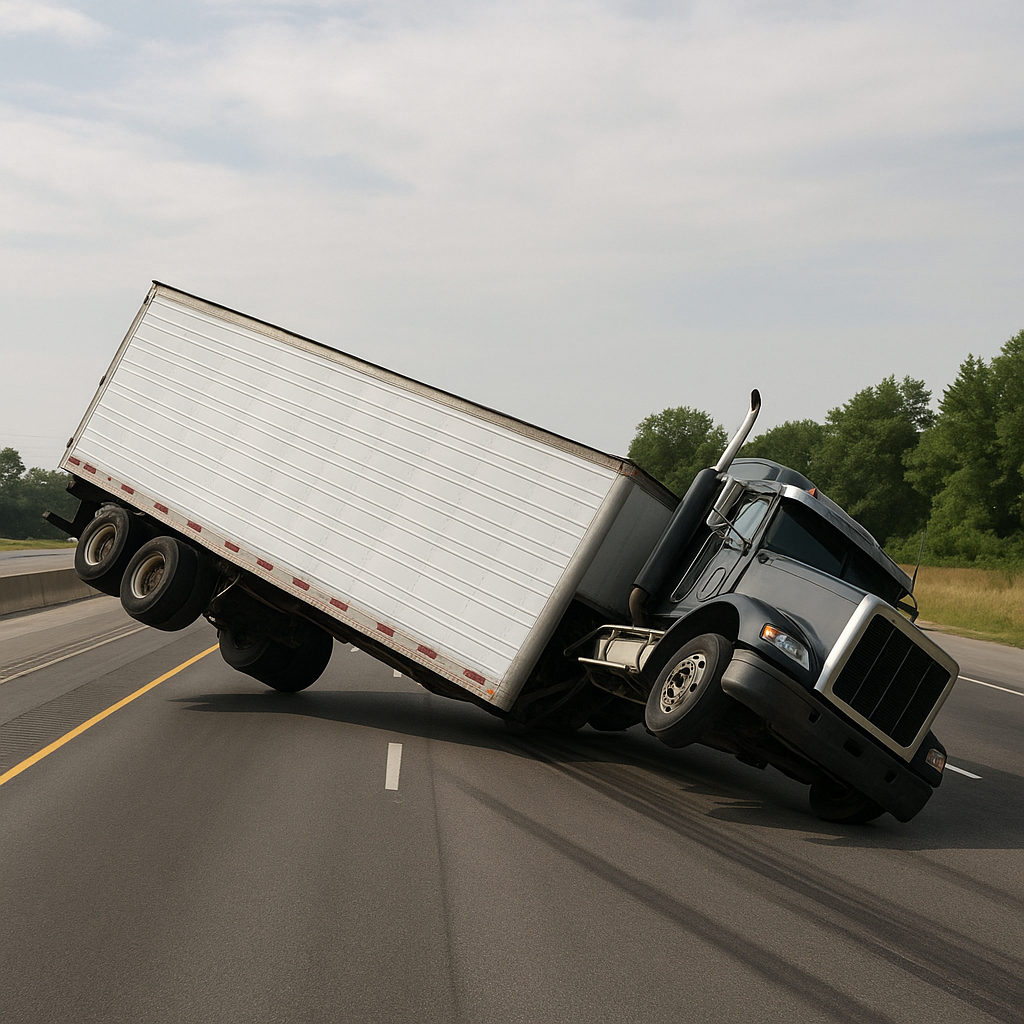
Semi Rollover During Evasive Maneuver
Reasons for Curiosity About Evasive Maneuver Rollovers
Questions about semi rollover during evasive maneuver often surface after incidents where large trucks tip or overturn while trying to avoid obstacles or sudden hazards. Drivers and enthusiasts are interested in the causes behind these failures, especially since commercial trucks are designed to be stable under typical driving conditions. Concerns about safety, logistics, and the technical aspects of maneuvering such a massive vehicle all contribute to the frequency of these questions. The topic draws attention due to the complex interplay between vehicle dynamics, road scenarios, and driver reactions during emergencies.
Understanding Semi Rollovers in Sudden Avoidance Situations
A rollover can occur when a tractor-trailer or semi-truck is forced to quickly swerve, brake, or turn to avoid unexpected dangers such as other vehicles, pedestrians, or debris. This is known as an evasive maneuver. Due to their high center of gravity, significant weight, and large size, semi-trucks are more vulnerable to tipping than smaller vehicles.
During a rapid avoidance attempt, the sideways forces acting on a truck can exceed its ability to maintain tire contact with the road. This is particularly likely if the maneuver is performed at speed or on a curve. If one set of wheels momentarily loses grip or lifts off the pavement, the momentum can cause the entire vehicle to tip onto its side or roof. Rollover accidents involving large trucks are more likely when a sudden sharp turn is attempted, especially if the trailer is heavily loaded or unevenly balanced.
Influencing Factors Many May Not Consider
The physics of a semi-truck make it susceptible to rollover in situations that might not trouble smaller vehicles. The position of the load, tire conditions, and even the road surface can greatly affect stability during sudden movements. For example, a high or off-center cargo load increases the risk by raising the center of gravity and creating uneven weight distribution. Wet or icy surfaces further reduce the available grip, compounding the danger during swerve-and-correct motions.
Additionally, the type of suspension, overall speed, and trailer configuration (such as single or double trailers) play significant roles in whether a truck can recover from a sharp maneuver. Sometimes, the presence of an anti-roll bar or electronic stability control can help, but these are not always enough to counteract the forces involved in a severe avoidance maneuver.
Another aspect often overlooked is driver experience and training. Evasive actions require split-second decision-making. Professional drivers are taught to anticipate hazards, but even under ideal circumstances, there may be little they can do to overcome the physical limitations of their vehicles. Any momentary misjudgment—like overcorrection or abrupt steering—can initiate a rollover sequence.
Environmental factors such as strong winds, poor visibility, and changing road grades can further challenge vehicle stability during sudden direction changes. On-ramps, exits, and sharp highway curves are common zones where rollovers may occur, particularly if the driver was already operating close to the edge of safe speed limits.
Contextual Insights Into Evading Accidents With Large Trucks
Understanding why a semi might roll over during an evasive maneuver highlights the need for a cautious approach to sharing the road with large vehicles. Although trucks are engineered for heavy hauling and long-distance travel, quick changes in direction are inherently risky due to their unique design. Many modern trucking fleets employ training and technology to reduce these risks, but the laws of physics impose strict limits on what any truck can do in an emergency.
Evasive maneuver rollovers serve as a reminder of the delicate balance between agility, vehicle design, and safety on the road. Even with advancements in braking systems and driver education, sudden dangerous movements will always carry a heightened risk for larger vehicles. The placement of cargo, current road conditions, and the specific environment all influence the likelihood and severity of a rollover when a truck is forced into a hasty maneuver.
Moving Forward With Awareness of Rollover Risks
Knowledge about how and why a semi rollover can happen during an evasive maneuver is valuable for anyone who shares the road with these large vehicles. An awareness of the factors that contribute to these incidents can lead to more mindful interactions between passenger cars and commercial trucks. By understanding the physical limitations and unique challenges faced by truck drivers in emergency situations, all road users can better appreciate the importance of maintaining safe distances and predictable driving behaviors around heavy vehicles.