
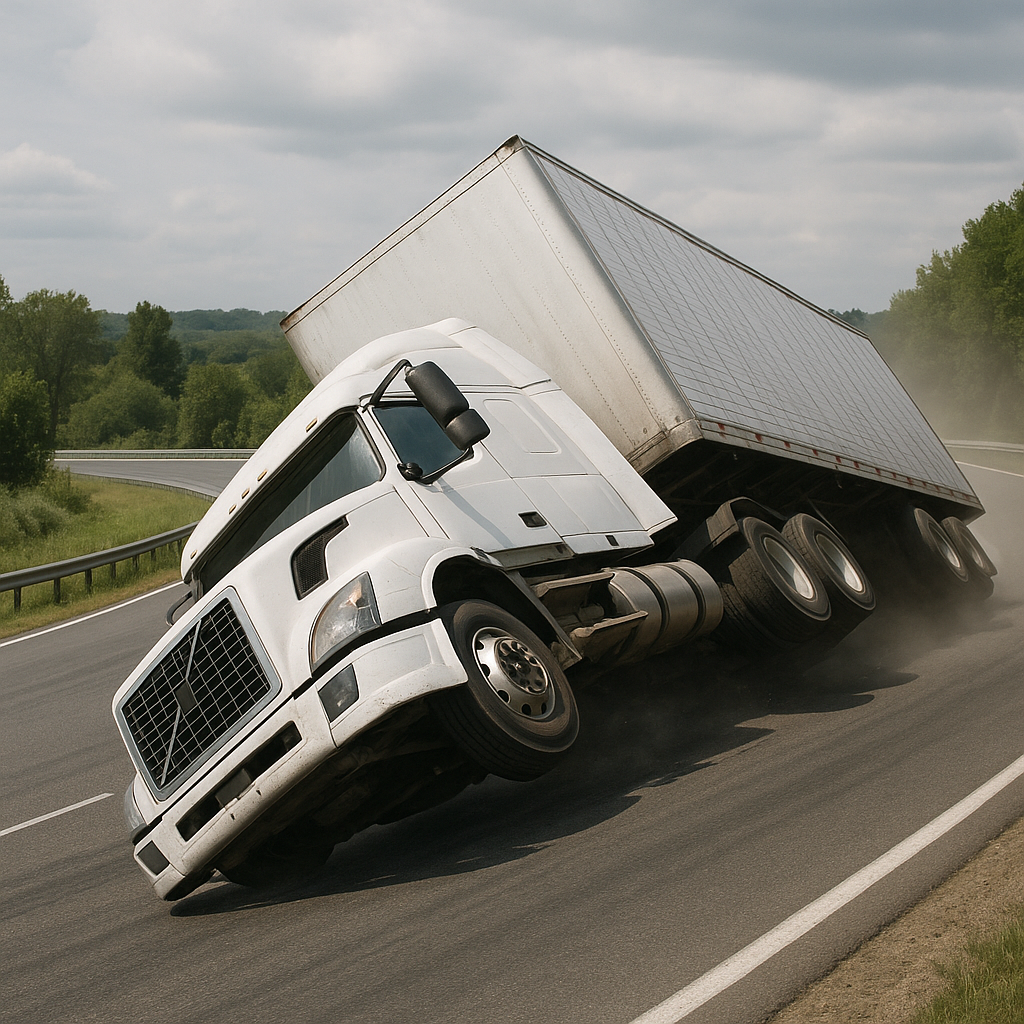
Semi Rollover During High Speed Turn
What Drives Curiosity About Rollover Incidents With Semis?
Large vehicle accidents often attract significant attention due to their dramatic nature and potential for disruption. People frequently search about semi rollovers during high speed turns because these incidents are both striking and concerning for roads shared by all drivers. With videos and stories regularly surfacing in the news, the topic continues to prompt questions about why these rollovers occur and how such massive vehicles can lose control so quickly during routine maneuvers. There is often a desire to understand both the mechanical reasons and the real-world situations that lead to these dangerous outcomes.
Understanding How High Speed Turns Affect Semis
When discussing high speed turn rollovers, it is important to understand the unique characteristics of semi-trucks. Semis have a high center of gravity compared to smaller vehicles, making them inherently less stable in sharp turns. During a high speed turn, the forces acting on the semi can shift dramatically. This shift, known as lateral acceleration, causes the weight of the vehicle to move outward from the curve. For a semi, especially one carrying a heavy or uneven load, this shift can quickly cause the tires on one side to lift, increasing rollover risk.
The condition of the road, the exact speed of the turn, and the distribution of the cargo can all influence the outcome. Even if a semi is well-maintained and the driver is skilled, physics plays a key role. Unlike cars and smaller trucks, semis must be handled with heightened awareness of their potential for tipping, especially when any variable is less than ideal.
Contributing Factors Not Always Recognized
While speed and sharp curves are clearly major concerns, there are other less obvious factors that come into play. One such factor is the load itself. A poorly balanced or shifting load inside the trailer can greatly affect the stability of the truck in a turn. Liquids inside tanker trucks are especially prone to sloshing, which can suddenly move the center of gravity and destabilize the vehicle during an attempt to negotiate a turn at higher speeds.
Another unexpected element is wind. High-profile vehicles like semis are more susceptible to crosswinds, which may not be noticeable to drivers of passenger vehicles. Even moderate gusts can provide the extra force needed to tip a semi that is already close to balance limits during a high speed turn.
Additionally, not all roads are equally suitable for large trucks. Off-camber turns, where the road slopes away from the inside of the curve, amplify the tilting effect. If the surface is slick from rain or debris, tire grip is reduced, making it easier for the wheels to lift or slip.
Vehicle condition also plays a background, but critical, role. Worn suspension components, uneven tire pressure, and outdated braking systems all limit a semi’s ability to safely complete turns, particularly at the higher ends of speed.
Practical Insights About Semi Rollovers in Turns
There are technologies and practices in place to minimize high speed turn rollover risks. Modern trucks often include stability control systems designed to detect risky conditions and automatically reduce engine power or apply brakes as necessary. Driver training also places strong emphasis on recognizing situations where rollover is more likely, such as entering a curve too fast, carrying a tall or top-heavy load, or operating in adverse weather.
It is also worth noting that some stretch of highway are specifically marked and regulated due to a history of rollovers or evidence of higher risk. These precautions exist because, even with increased safety protocols, a heavy truck’s physical limits are much lower in turns than most people expect.
Perspective on Rollovers and Road Safety
Road safety involving semi-trucks is a cooperative effort between drivers, engineers, and those who plan or maintain the roads. Even when all best practices are followed, the laws of physics determine how a semi will behave in a high speed turn. Rollover incidents serve as reminders of the need for continued awareness, careful operational decisions, and design improvements. Understanding the mechanics and context of these events helps promote safer highways for every driver who shares the road.