
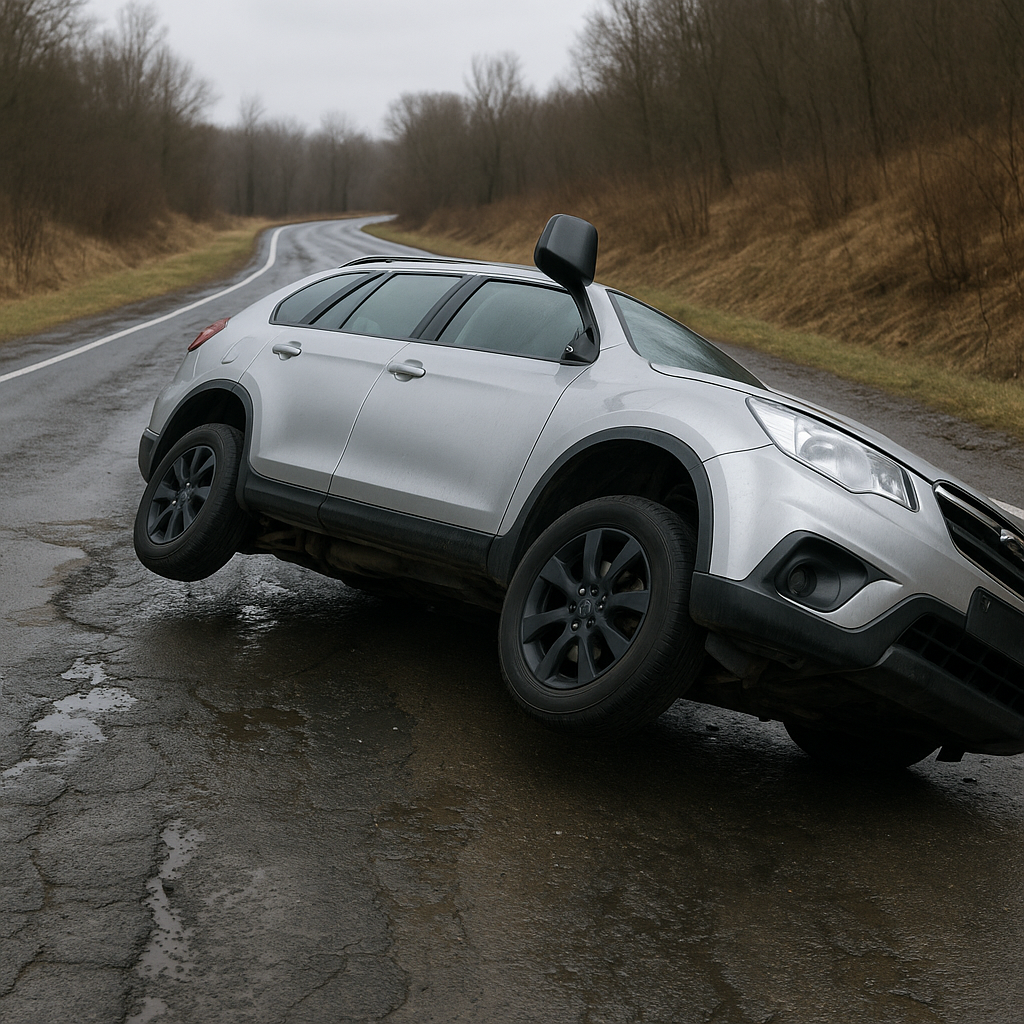
Semi Rolled Over Due to Road Surface Conditions
Why People Seek Answers About Road Surface Rollovers
When a semi truck is involved in a rollover, especially when road surface conditions are suggested as the cause, curiosity and concern are common reactions. People may have witnessed such an incident, seen related news stories, or experienced a delay because of a rollover. Understanding what contributes to these situations is important for both drivers and observers. Often, the scale of such accidents and the sight of a large vehicle on its side prompts questions about how this could happen. There’s also confusion about the factors involved, with many wanting to know if such incidents are preventable or simply unfortunate events caused by unpredictable circumstances.
How Road Surface Conditions Contribute to Semi Rollovers
A rollover involving a semi truck rarely happens due to a single cause, but road surface factors are often at the center of the discussion. Large vehicles have a higher center of gravity compared to cars, which means they are less stable in certain driving scenarios. If a semi encounters uneven pavement, slick spots, potholes, or sudden changes in surface material, the stability of the vehicle can be severely compromised.
Wet or icy surfaces can reduce the friction between tires and the road, making it easy for a heavy truck to slide or lose grip, especially during turns or evasive maneuvers. Construction zones, unexpected dips, and poorly maintained roads can create conditions where one side of a semi briefly loses contact or experiences less support than the other. This uneven pressure can easily initiate a tipping motion due to the height and weight of the trailer.
At highway speeds, even moderate changes in road conditions, such as a patch of loose gravel or a gap at a bridge joint, can destabilize a semi. When a truck’s wheels hit such a surface unexpectedly, there’s little time for a driver to react. The trailer can swing or lean, and in some cases, the momentum may be enough to roll the truck onto its side. Drivers can attempt corrections, but once the balance point has tipped, the forces involved are extremely difficult to counteract.
Lesser-Known Contributing Factors and Influences
Not everyone realizes that road surface rollovers are often the result of small variables combining at the wrong moment. Even when the weather seems clear and dry, subtle surface irregularities can have a major impact. The weight of a semi’s cargo and how it is distributed also plays a significant role in stability. Loads that shift during transit, or those that are improperly secured, can amplify the destabilizing effect of uneven pavement or potholes.
Another contextual factor is the design of the road itself. Sharp curvatures, banked turns that are improper for truck traffic, and changes in road pitch can all increase rollover risk. Exit ramps and off-camber intersections are particularly known for contributing to rollover incidents, especially when surface wear is present. Many roads are not constructed with heavy trucks in mind, which sometimes means the vehicles are traversing surfaces unsuitable for their dimensions and weights.
Seasonal temperature swings can cause unexpected changes in the road surface. For example, the freeze-thaw cycle can lead to the formation of hidden dips or heaving, while summer heat can make asphalt softer. These minor characteristics, often unnoticed by everyday drivers, may significantly increase the risk for heavy vehicles.
Driver experience and route familiarity also matter. Experienced drivers are more likely to anticipate surface changes and adjust their driving accordingly, but even the most attentive truck operators may encounter situations for which they have little warning or time to respond. Distractions, fatigue, or limited visibility can make even a minor road surface inconsistency a bigger risk for rollover.
Understanding Road Surface Rollovers in Semi Trucks
Incidents where a semi rolls over due to road surface conditions are complex events shaped by a combination of environmental, mechanical, and situational factors. While road surface irregularities play a central role, they interact with load dynamics, vehicle design, speed, and driver responses. Traffic engineers and researchers spend years studying the interplay between these elements to minimize the risks associated with heavy vehicles on public roads.
Awareness of what contributes to a road surface rollover can help deepen understanding of why these events happen and inform discussions about roadway safety, trucking practices, and vehicle design. Not every surface change or weather event leads to a rollover, but under the right circumstances, even minor irregularities can produce outsized consequences when large vehicles are involved. Recognizing the intricacies of these incidents can provide valuable insight into the ongoing challenge of keeping roads safe and accessible for all users.