
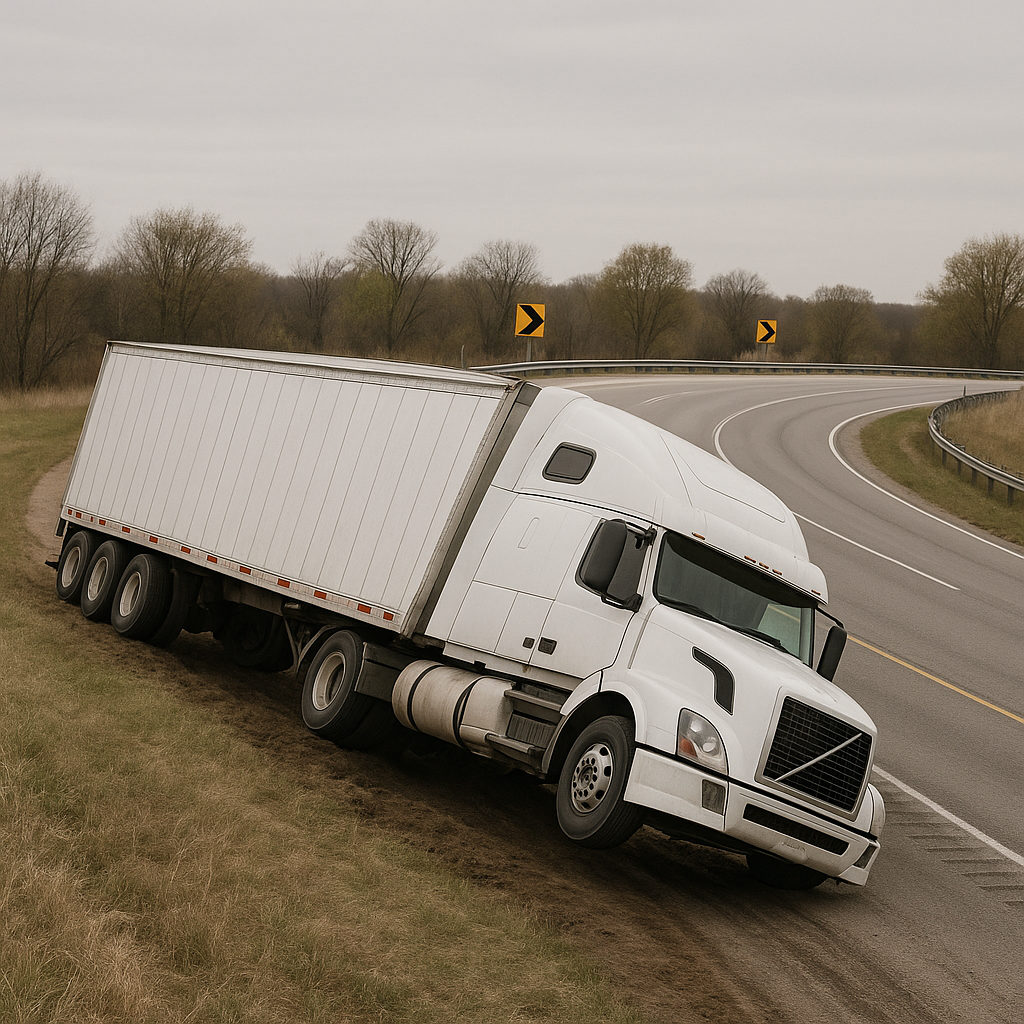
Semi Rollover Caused by Driver Overcorrection
Common Reasons Behind Curiosity About Overcorrection Rollover Incidents
Questions surrounding semi rollovers, particularly those resulting from driver overcorrection, surface frequently in conversation and online searches. The curiosity stems from the sheer size and presence of semi trucks on highways and the visual impact of rollover accidents when they occur. Many road users wonder what leads an experienced commercial driver to lose control in such a dramatic fashion. Drivers who share the road with large trucks naturally look for reassurance about their own safety, while those interested in truck driving may want to understand the risks associated with the profession.
People also become inquisitive because these types of crashes tend to attract attention in news reports and traffic updates. Seeing a large vehicle overturned often sparks speculation about the causes, prompting questions about whether mechanical failure, poor road conditions, or human error—like overcorrection—contributed to the incident. This topic also matters to those involved in transportation safety, whether as fleet supervisors, instructors, or everyday drivers aiming to stay informed about traffic trends and accident prevention.
Understanding How Overcorrection Leads to Semi Rollovers
A semi rollover due to overcorrection happens when the driver reacts abruptly—often steering sharply—to an unexpected situation. Overcorrection typically involves sudden, exaggerated movements of the steering wheel in an attempt to regain control after initially veering off course. For a vehicle as large and heavy as a semi truck, these dramatic steering adjustments can upset the delicate balance required to keep all wheels on the road.
When a semi truck veers, even slightly, from its intended path because of distraction, wind, or obstruction, the instinct for some drivers may be to steer hard in the opposite direction. The high center of gravity that comes with loaded trailers amplifies the effects of rapid steering corrections. What may have been a minor departure from a driving lane can escalate quickly—the trailer’s momentum shifts, and the tires may lose grip, causing the rig to tip and, in extreme cases, roll over entirely.
Notably, overcorrection rollover incidents are distinct from other types of rollovers caused purely by excessive speed or unstable cargo. Here, the driver’s immediate input—rather than a mechanical failure—plays the pivotal role.
Dynamics Unique to Large Commercial Vehicles
Unlike passenger cars, large commercial vehicles respond differently to sharp steering corrections. The longer wheelbase, higher center of gravity, and significant weight mean that even small steering cracks can set off a chain reaction. Semis are designed to be stable at slow, steady speeds, but evasive actions at highway speeds shift forces in ways that can make them susceptible to overturning.
Drivers may not always gauge just how pronounced the shift in balance is until it’s too late. This challenge is compounded by factors such as an uneven load, shifting cargo, or poor road surface, which can further erode the stability of the truck when rapid movements occur.
Situational Triggers Leading to Sudden Movements
Often, the initial cause prompting a driver’s abrupt maneuver can be quite ordinary: a vehicle suddenly entering the truck’s blind spot, debris appearing on the highway, or a momentary lapse in attention. Even a slight departure from the lane can set off a rapid steering input if the driver feels the need to avoid running off the road. This instinct to snap the steering wheel back toward the roadway—while sometimes successful—can inadvertently lead to a loss of control, especially if the trailer’s momentum continues in the direction of the initial mistake.
Additional Factors and Overlooked Details in Overcorrection Rollovers
The focus on the driver’s steering input in overcorrection rollover incidents can sometimes obscure a broader context. One factor is the varying experience levels among truck drivers. Those newer to the field may be more prone to overreacting in stressful situations, while seasoned professionals can typically stay composed and make gradual corrections.
Weather and road conditions also play a significant but less obvious role. On slippery or uneven surfaces, even small steering efforts are magnified, which raises the risk of the trailer shifting abruptly. Road design, such as sharp curves or narrow shoulders, may limit the physical space a driver has to make safe corrections. In some cases, fatigue or distraction precedes the overcorrection event, contributing to a delayed or exaggerated response.
Another aspect that is often not top-of-mind is how training and modern vehicle technologies have sought to reduce the risk. Enhanced stability control systems and driver education programs aim to teach and support measured corrective actions. However, not all trucks on the road are equipped with the latest safety features, and real-world scenarios can still surprise even the most vigilant operator.
Takeaways on Preventing and Understanding Overcorrection Rollover Scenarios
Exploring how overcorrection leads to semi rollovers provides insight into both driver behavior and the unique mechanics of large commercial vehicles. By understanding the sequence of events that can precipitate these incidents, all road users, including commercial drivers and those sharing the highway with them, can better appreciate the necessity for calm, deliberate action behind the wheel. Road design improvements, ongoing driver education, and continuing advances in vehicle safety features all contribute to making semi rollover incidents less common but ongoing awareness of the causes helps further strengthen road safety for everyone.