
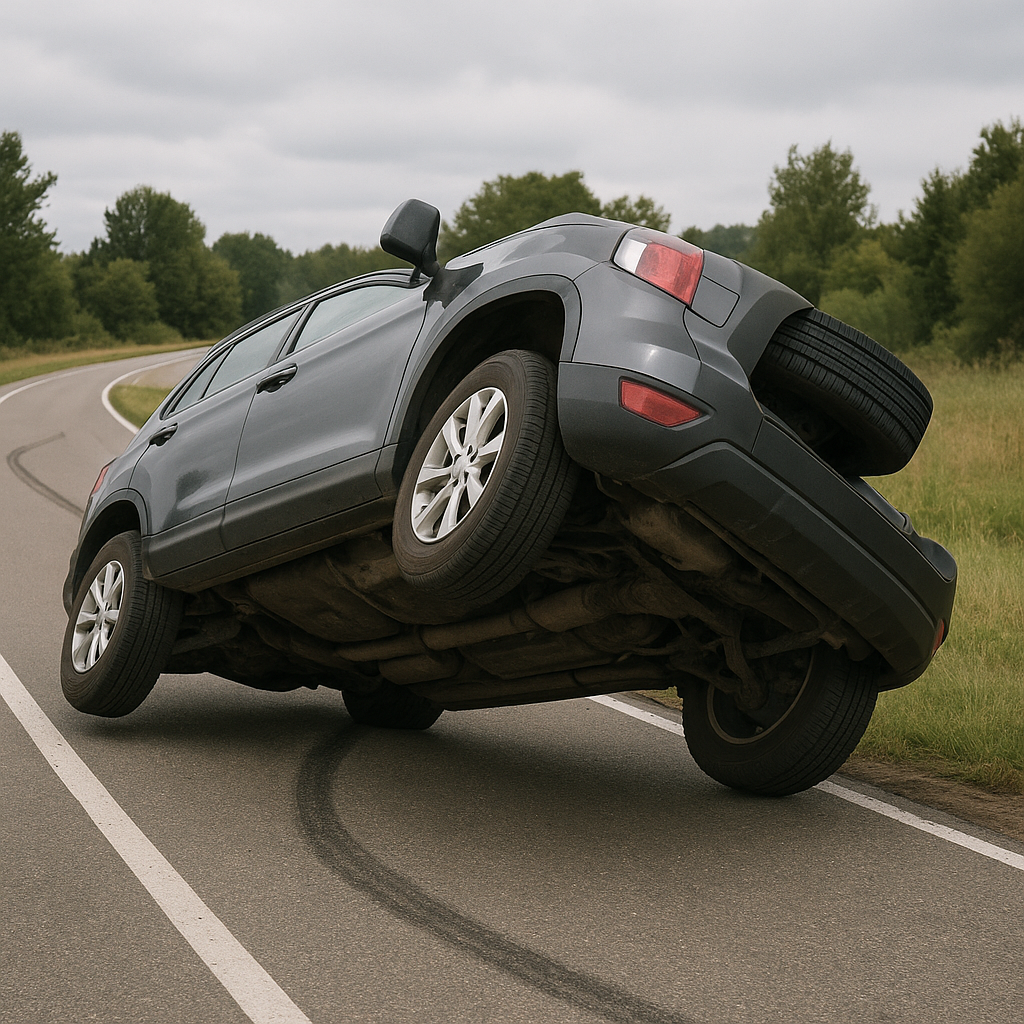
Semi Rolled Over Due to Sudden Steering Correction
Why This Question Comes Up Often
Questions about semi-trucks rolling over after a steering correction are common among drivers, fleet operators, and those sharing the road with large vehicles. Many have seen dramatic news footage or heard stories of semis tipping on highways and wonder how such a scenario unfolds. Curiosity often centers on the relationship between rapid steering movements and the risk of rollover. Others may simply want reassurance that they can avoid similar incidents with the right knowledge.
Understanding What Happens During a Steering Correction Rollover
A steering correction rollover occurs when a semi-truck tips over as a result of a sharp or rapid turn of the steering wheel. Unlike passenger cars, commercial semis have a high center of gravity and a long, articulated trailer that react differently to steering inputs. When a driver abruptly changes direction—perhaps to avoid a hazard, correct lane position, or overcome a sudden loss of control—the forces acting on the truck can quickly exceed what its stability allows.
The key issue is the transfer of weight during a fast steering correction. When the front wheels are turned sharply, centrifugal force pushes the mass of the trailer outward from the direction of the turn. With enough speed or aggressive reaction, this force can shift the truck’s load to a point where the tires on one side lose contact with the road, causing the vehicle to tip.
Factors People May Overlook About Rollovers
There are details about steering correction rollovers that are not always obvious. First, the load inside the semi plays a significant role in stability. Liquid cargo, unbalanced loads, or improperly secured freight can dramatically raise the risk of a rollover even with relatively mild steering corrections.
Road conditions also influence outcomes. Wet or uneven pavement can reduce tire grip, requiring less force to start a slide or tip. Entry and exit ramps, curves on highways, or sudden obstacles may prompt an unplanned steering event. Sometimes, a small overcorrection made at high speed or while changing lanes can be enough to unsettle a fully loaded truck.
It is also important to recognize that modern semis are built with features to improve stability, such as electronic roll stability control. However, these systems can only do so much if the basic laws of physics are exceeded by a rapid steering maneuver.
Fatigue and experience level play a role as well. A rested, trained driver is less likely to make abrupt steering changes compared to a fatigued or inexperienced operator. The typical advice to “steer smoothly and gradually” is not just for comfort—it is a critical safety principle for heavy vehicles.
Practical Points for Safer Truck Operation
Being aware of the dynamics behind steering correction rollover helps all road users understand the importance of cautious driving behavior. Simple actions, such as maintaining moderate speeds especially in curves, keeping safe following distances, and planning lane changes well in advance, significantly reduce risk. Drivers should always seek to anticipate hazards rather than react at the last moment.
Even with the best training and equipment, there are limits to how quickly a large truck can safely change direction. Commercial drivers frequently undergo specialized training to recognize these limits, and to use gradual and deliberate inputs instead of abrupt reactions.
Key Takeaways About Semi Stability
Sudden steering corrections can create rollover risk for semi-trucks due to their design, load, and road conditions. Awareness of these factors by both truck drivers and those who share the road helps minimize accidents. Smooth and planned steering actions are crucial for maintaining control and stability under varying driving situations.
A basic understanding of the dynamics involved provides valuable insight into why these incidents occur and encourages an informed, cautious approach to maneuvering heavy vehicles on the road.