
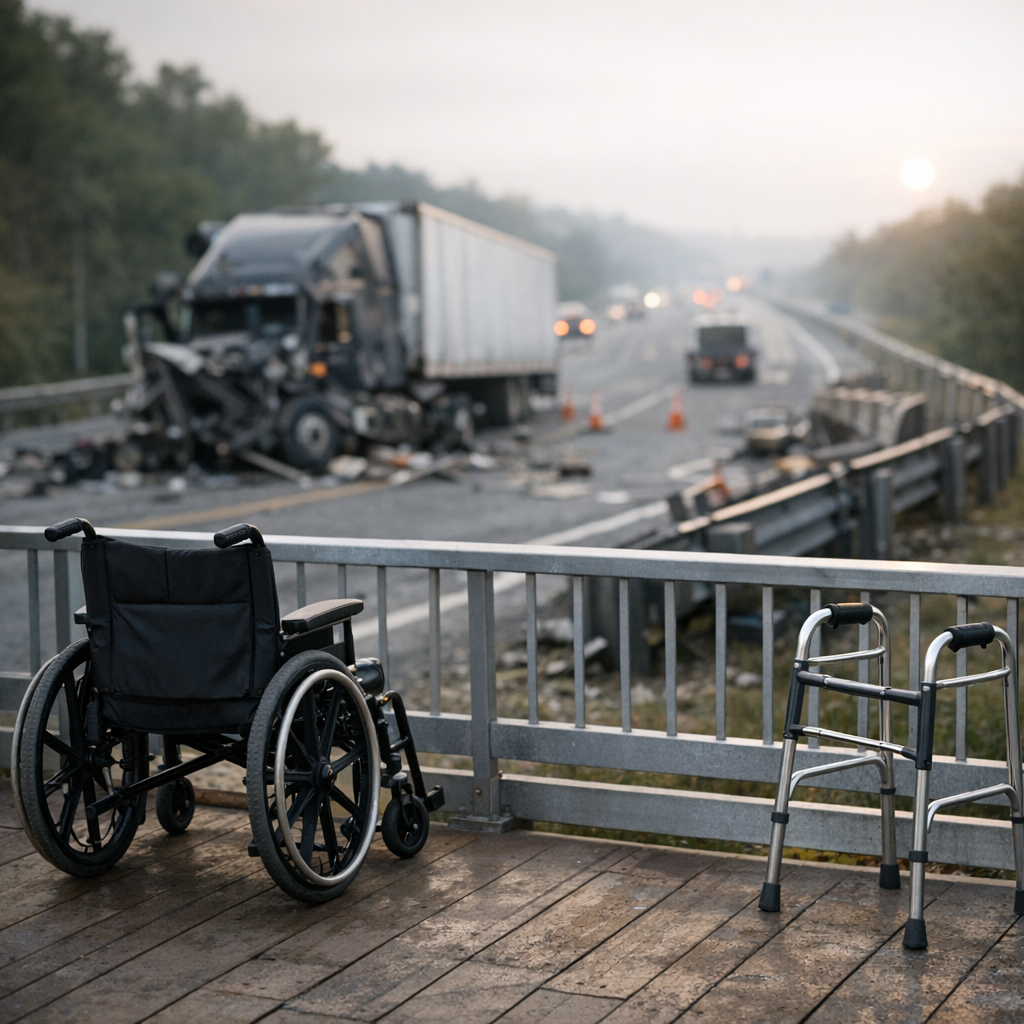
Loss of Independence After Catastrophic Truck Injury
Overview of the Loss of Independence Resulting from Catastrophic Truck Injury
Catastrophic truck injuries frequently lead to outcomes that impact all aspects of a person’s life. These injuries, characterized by their severity and long-term consequences, can result in a significant loss of independence for those affected. Such loss is defined by a reduced ability to perform daily activities without substantial assistance or support. After a catastrophic injury involving a large truck, individuals often experience drastic changes in mobility, self-care, and decision-making capacity. The transformation from self-sufficiency to reliance on others is one of the most notable outcomes for survivors.
Loss of independence is not solely a physical phenomenon. It encompasses reduced autonomy in personal, social, and occupational settings. The profound effects of catastrophic injury independence loss extend across living arrangements, relationships, and participation in community life. Over time, individuals may find their roles within their homes and societies altered, requiring different forms of adaptation and support.
Changes in Daily Life Following a Catastrophic Truck Injury
Immediate Effects on Daily Activities
The period following a catastrophic truck injury is often marked by a clear shift in daily routines and habits. Many individuals experience new or permanent mobility challenges. They may require assistive devices such as wheelchairs, walkers, or prosthetics, and often need support with routine tasks. Activities once performed independently—personal hygiene, dressing, meal preparation, and transportation—can become complex, time-consuming, or entirely inaccessible alone.
This shift frequently extends to occupational and recreational activities. Return to work or hobbies may not be feasible due to physical, cognitive, or emotional limitations emerging from the injury. Even participation in simple social interactions can become difficult, contributing to a sense of isolation.
Evolution Over Time
As time progresses, the experience of catastrophic injury independence loss changes. The initial phase following injury is often focused on medical stabilization and basic adjustments. Later, individuals and families confront the long-term reality of ongoing care needs. Some individuals regain partial independence through rehabilitation or adaptation of living spaces, while others continue to rely on caregiver assistance.
Adaptive technologies and home modifications can restore a measure of self-sufficiency, but the reliance on caregivers—professional or family—often persists. The degree of independence regained varies considerably and may fluctuate due to secondary health complications or aging.
Impact on Relationships and Social Participation
The shift in independence after a catastrophic injury frequently alters personal relationships. Spouses, family members, and friends may take on caregiving roles, redefining existing dynamics. This redistribution of responsibilities can affect emotional bonds and lead to adjustment periods for all involved.
Social participation often decreases as accessibility barriers and mobility challenges limit involvement in community events, travel, and group activities. Over time, individuals may seek new ways to engage with others, often through virtual interactions or accessible venues. However, maintaining former levels of social engagement can remain difficult.
Common Concerns Associated with Catastrophic Injury Independence Loss
Emotional Responses and Psychological Well-Being
A central concern following the loss of independence after a catastrophic truck injury is the emotional effect. Feelings of frustration, sadness, and anxiety are prevalent, as individuals confront the changes in their abilities and self-identity. Psychological responses can fluctuate with life changes, shifts in physical health, or social circumstances.
The adjustment process may be marked by questions about self-worth, fear of being a burden, and concerns for future well-being. Some people report feelings of isolation as limitations in mobility and independence make participation in former social roles more complex.
Financial and Logistical Realities
The financial impact of catastrophic injury independence loss emerges as a significant concern. Ongoing healthcare, adaptive equipment, home modifications, and caregiver support often incur substantial expenses. Adjusting to reduced or lost income due to work limitations can increase stress for individuals and their families.
Logistical challenges accompany increased dependence, including the need for coordinated schedules, specialized transportation, and ongoing medical appointments. Arranging consistent care and support can become complex, especially when family members are balancing employment or other responsibilities.
Concerns About Quality of Life
A persistent topic is the evolution of quality of life. After a catastrophic truck injury, reconciling a changed lifestyle with new possibilities and limitations is an ongoing process. The need to adjust personal goals, pursuits, and expectations of everyday living remains a source of reflection and discussion. Some focus on identifying meaningful activities within new boundaries, while others continue to seek ways to maintain previous routines.
Informational Summary on the Effects of Independence Loss
Loss of independence after a catastrophic truck injury yields a complex, lasting impact on individuals’ lives. The transition from self-sufficiency to reliance on others is multifaceted, affecting physical capabilities, daily routines, relationships, and emotional well-being. Adaptation to this new reality involves ongoing adjustments—both practical and psychological.
Over time, survivors often explore various methods to increase comfort and autonomy within their changed circumstances. These adjustments can include integrating assistive technologies, modifying living environments, and redefining social connections. The interplay between independence, adaptation, and support shapes the lived experience following catastrophic injury.
Understanding the outcome of catastrophic injury independence loss promotes clear expectations and planning. While the process of adjustment continues, knowledge about possible challenges and long-term effects provides a foundation for individuals, families, and care teams as they navigate evolving needs. This information remains crucial for considering how daily life and well-being are influenced after a catastrophic truck injury, illustrating both the immediate and enduring aspects of loss of independence.