
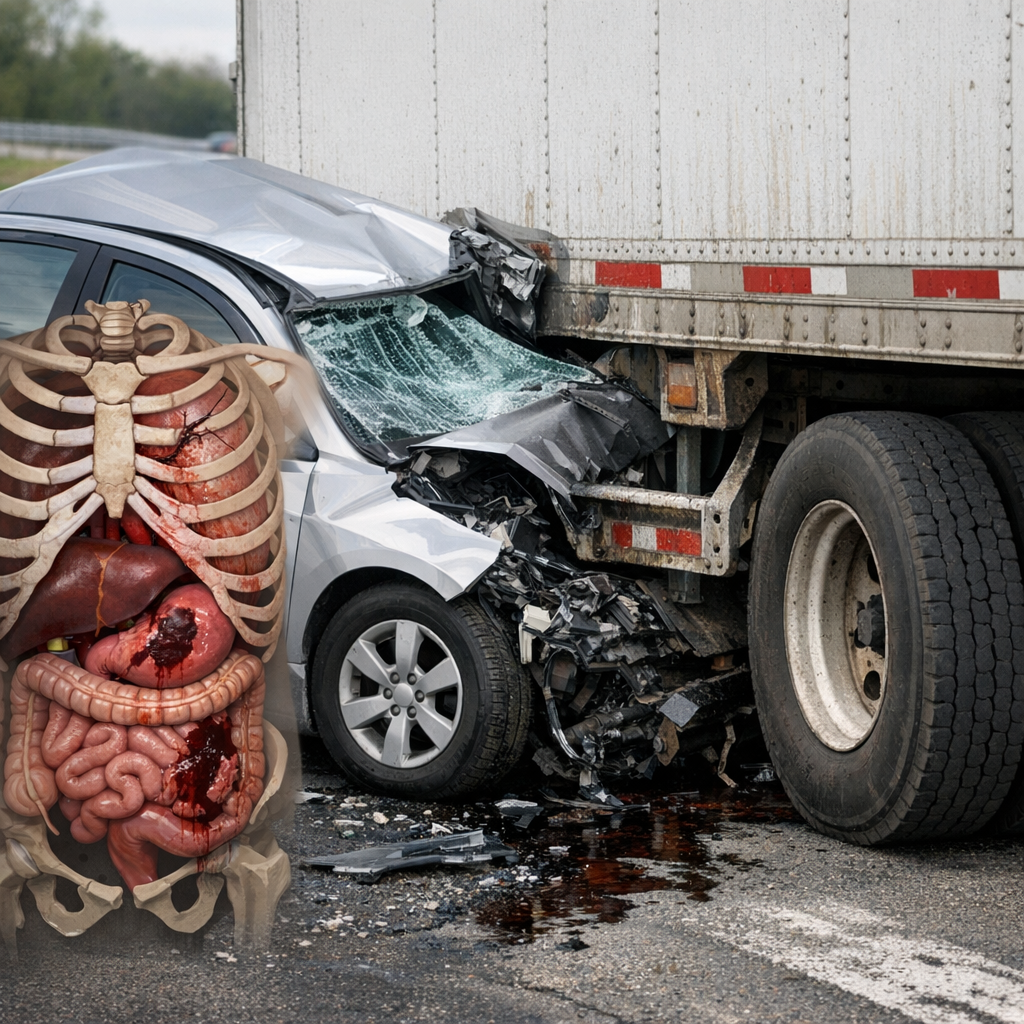
Severe Internal Injuries from Underride Collisions
Understanding the Outcome of Underride Internal Injury
Underride collisions refer to crashes where a smaller vehicle slides partially or completely underneath a larger vehicle, often a truck or trailer. During these collisions, the lower edge of the larger vehicle frequently bypasses the crumple zones of the smaller vehicle, causing the vehicle structure to intrude into the occupant space. Severe internal injuries from such incidents are a prominent and concerning outcome.
Underride internal injury is a term that encompasses a wide range of harm to internal organs, blood vessels, and internal systems resulting from the direct and forceful impact experienced in these scenarios. The crushing forces involved in underride collisions can cause trauma to the chest, abdomen, pelvis, and other regions of the body. Internal bleeding, organ rupture, and severe damage to muscles and connective tissue are often reported. Such injuries may involve the lungs, liver, spleen, intestines, and kidneys, as well as major arteries and veins.
Medical evaluation often reveals a complex pattern of trauma in those who survive. Broken ribs may puncture lungs, and abdominal injuries can compromise multiple organs simultaneously, creating urgent and multifaceted challenges for medical teams. The invisible nature of internal injuries can complicate detection, sometimes delaying interventions and influencing long-term health outcomes for survivors.
Impact on Daily Life Over Time
Individuals recovering from severe underride internal injury may experience substantial changes in daily routines and functions. The initial period after the injury is frequently dominated by hospitalization, repeated imaging, and various medical procedures, including surgery to repair damaged organs. Major internal bleeding may result in a need for blood transfusions and intensive monitoring in a critical care setting.
Long-term, physical limitations may persist as a result of internal organ damage. Respiratory issues can arise from lung punctures or contusions, prompting ongoing breathing difficulties. Digestive health can be affected by injuries to the intestines or liver, with possible long-term changes in diet or absorption efficiency. Reduced kidney or liver function may introduce new considerations for medication use and hydration.
Participation in work, social activities, and household tasks can be restricted by fatigue and physical discomfort. Many individuals must accommodate slower movement or rest periods throughout the day. Some report persistent pain or the sensation of internal discomfort, particularly with exertion. In some cases, the trauma can also precipitate secondary health issues, such as infections from surgery or the formation of scar tissue impacting organ function.
Over time, the process of recovery may involve adaptations not just physically but also cognitively and emotionally. Memory challenges, difficulty concentrating, and changes in mood can be observed, often related to the stress and physiological impact of severe injury and medical treatment.
Common Concerns Following Underride Internal Injury
One of the most common concerns after sustaining an underride internal injury is uncertainty regarding health stability. The hidden nature of internal trauma may lead to worries about undetected damage or potential complications emerging over time. Individuals often express concerns regarding the long-term function of injured organs and the likelihood of chronic pain or disability.
Concerns about repeated medical appointments, continued testing, and possible additional procedures may arise. The prospect of future surgeries or interventions can weigh on individuals as they plan their routines and obligations. For some, the need for ongoing medication or monitoring creates a new layer of complexity in daily life.
Insurance coverage and financial implications present another frequent area of concern. The extent and duration of medical care required for underride internal injury may place a strain on personal finances, particularly when factoring in time away from work and travel for specialized follow-up care.
Beyond the physical and logistical aspects, psychological and emotional impacts are commonly cited. Adjusting to new physical realities, adapting to periods of physical limitation, and confronting the aftermath of a traumatic event can raise concerns about mental and emotional health.
Neutral Summary of Information
Severe internal injuries resulting from underride collisions are complex, with potential to affect multiple organs and systems simultaneously. These injuries often require extensive medical intervention and may lead to lasting changes in daily life, including physical limitations and the potential for chronic health concerns.
Uncertainty, long-term health monitoring, adaptations to routines, and financial considerations comprise some of the main concerns identified by those affected. The process of recovery and adjustment is highly variable and can involve physical, logistical, and emotional factors.
The outcome of underride internal injury underscores the importance of understanding both the immediate and enduring impacts of significant internal trauma. Ongoing observation and informed support can help navigate the complexities of living with, and managing, the consequences of such injuries.