
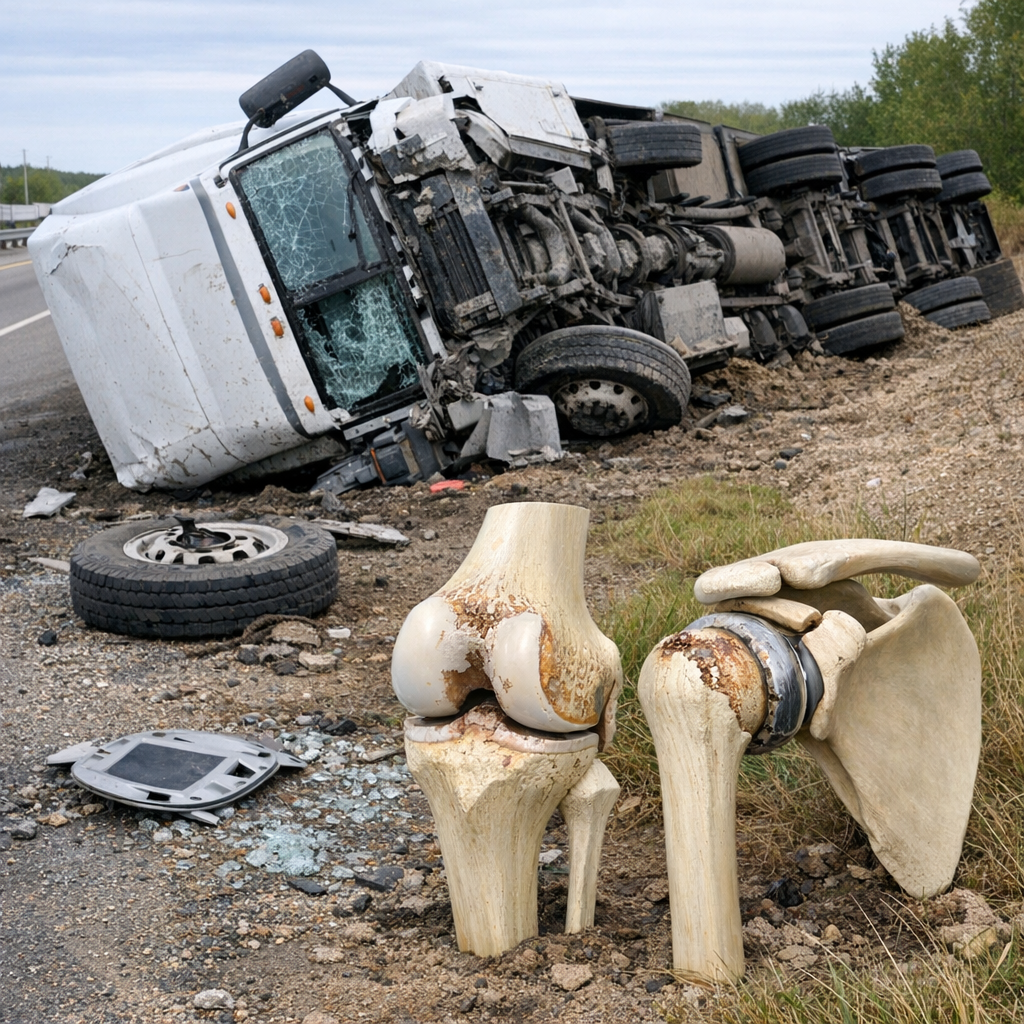
Permanent Joint Damage After Truck Rollovers
Overview of Permanent Joint Damage Related to Truck Rollovers
Permanent joint damage is a significant potential outcome following a truck rollover incident. A rollover can subject the body to abrupt and forceful impacts, causing the joints—such as knees, shoulders, elbows, and hips—to experience unnatural stress and trauma. The resulting injuries can include ligament tears, cartilage loss, joint dislocations, and even bone fractures that involve the joint surface. Over time, these injuries may heal incompletely, leading to lasting damage within the affected joints. As a result, the movement and function of the joint can be altered permanently.
Rollover joint damage often results from the violent motion and compression experienced during the crash. The twisting and crushing forces affect not just the bones, but also the soft tissues that support and stabilize joints. Even with immediate medical attention and advanced treatment, individuals can develop chronic joint instability, persistent pain, and decreased range of motion. In some cases, early joint degeneration follows, contributing to a lifelong change in how the joint feels and functions.
Such outcomes may also be influenced by the severity of the rollover, the speed of the vehicle, the use of seat belts, and the manner in which the body was positioned during the incident. The cumulative effect may result in cartilage wear (osteoarthritis), permanent scar tissue formation around the joint, or changes in the alignment of the bones that make up the joint. These changes, once established, have the potential to reshape daily life indefinitely.
Long-Term Effects of Joint Damage on Daily Living
Living with permanent rollover joint damage can create a range of obstacles over time. Individuals may notice persistent joint pain that flares during activity or after periods of rest. Swelling, stiffness, and a clicking or grinding sensation are frequent reminders of the underlying joint changes. The ability to bend, straighten, rotate, or bear weight on the affected joint may become limited, with tasks such as walking, lifting, or reaching becoming more difficult.
Gradually, daily routines adapt to accommodate the altered joint function. Physical limitations can influence choices in work, recreation, and mobility. Activities that previously felt effortless, such as climbing stairs, driving, or even carrying groceries, may require new strategies or support. Some individuals encounter fatigue as the body compensates for impaired movement, while others find themselves avoiding specific motions to reduce discomfort or prevent further strain. The rhythm of ordinary life may shift around the need to rest and recover, especially after extended use of the injured joint.
Persistent stiffness and soreness can also affect sleep quality and general well-being. Tasks that rely on fine motor skills, such as typing or handling tools, may become more complex when hand or wrist joints are involved. For those with hip, knee, or ankle rollover joint damage, walking longer distances might become challenging, influencing participation in social activities or sports. Over the years, ongoing changes in the joint and surrounding tissues can further affect confidence and independence.
Common Concerns Following Permanent Joint Damage
Individuals living with rollover joint damage often have questions about the long-term trajectory of their condition. Many wonder about the likelihood of additional joint deterioration, particularly in weight-bearing joints that are subjected to continuous stress. The potential for developing secondary conditions, such as osteoarthritis or chronic inflammation, may raise additional uncertainties.
Another area of concern is adaptation to new physical limitations in the workplace. Jobs that require standing for long periods, repetitive motion, or heavy lifting may become less accessible. Concerns about career sustainability and work modifications are common, as is uncertainty about navigating daily tasks at home without increased discomfort. The altered appearance of the joint, such as visible swelling or deformity, can also prompt questions about body image or potential social impacts.
Individuals frequently express curiosity about pain management strategies and the role of physical therapy or support devices in supporting function. Concerns about surgical interventions, their risks, and their long-term outcomes also surface, reflecting the desire for stability in daily life. Transportation and travel planning where walking or climbing is involved may become a topic of discussion, especially when symptoms fluctuate or worsen over time.
Family members may express questions about how best to offer support or accommodate physical limitations. Adjustments to household arrangements, such as changing the placement of furniture or installing assistive devices, can become part of ongoing conversations. These concerns often reflect the wider effects of joint damage, extending beyond the person directly affected to their network of family, friends, and coworkers.
Informational Considerations for Living With Rollover Joint Damage
Permanent joint damage caused by truck rollovers represents a complex, lifelong change for many individuals. This outcome may affect a broad spectrum of physical capabilities, from fine motor tasks to major movements like walking or lifting. The degree and nature of impairment can vary depending on the specific joint involved, the severity of the original injury, and the ongoing demands placed on the joint in daily life.
Adaptations to daily routines, environments, and activities are common as individuals work to maintain their independence and comfort. Over time, a combination of self-management strategies, support networks, and—sometimes—medical interventions are utilized to maintain participation in work, hobbies, and social settings. The focus often shifts toward optimizing function and accommodating fluctuations in symptoms.
Ongoing communication with healthcare providers, employers, and family is a frequent part of the experience. Transparent discussions about abilities, preferences, and potential adjustments help shape routines that reflect evolving needs. The process of living with permanent joint impairment remains highly individual, influenced by personal goals, activity levels, and the specific nature of the rollover joint damage.
Awareness of the possible outcomes following truck rollovers, including the possibility of permanent joint injury, can help individuals and their support systems approach daily life with informed understanding. While challenges may arise, information and adaptation play central roles in navigating the complexities associated with long-term joint changes.