
Why Trailer Height Impacts Underride Severity
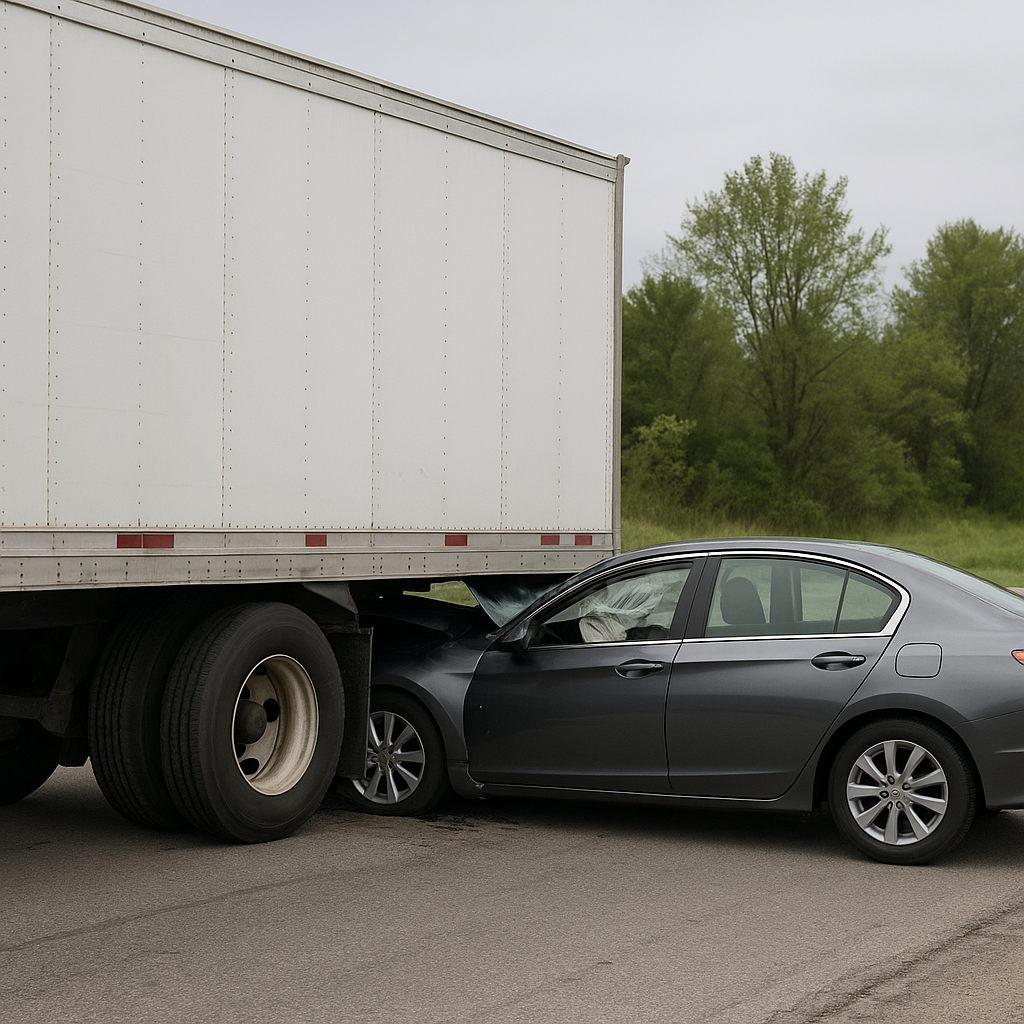
The design and height of a trailer are crucial factors influencing the outcomes of roadway crashes, particularly when it comes to underride incidents. Underride crashes occur when a passenger vehicle slides beneath the rear or side of a larger truck or trailer. The degree of vehicle intrusion in such incidents is commonly known as underride severity. Understanding why trailer height impacts underride severity provides insight into the mechanics of these collisions and highlights key engineering elements that can reduce the consequences when they occur.
The Role of Trailer Height in Underride Incidents
The Anatomy of an Underride Crash
When a passenger vehicle, such as a car or SUV, collides with the rear or side of a trailer, the most significant factor affecting passenger safety is the alignment between the car’s front end and the trailer’s underside. Standard passenger vehicles are designed with energy-absorbing structures in their front profiles, including the bumper and crash zone areas. These structures crumple in a controlled manner during an impact, dissipating energy and protecting the passenger cell. However, this protective system is only effective if it meets a solid, energy-absorbing barrier, typically another car’s bumper or a lower surface.
Trailers, particularly those with higher ground clearance, often present an elevated surface to oncoming cars. This situation becomes especially problematic when the trailer’s lower edge sits higher than the car’s crash zones and bumper. Instead of the impact energy being absorbed as intended, the car’s front end slides beneath the trailer, effectively bypassing many of its built-in safety features.
The Physics of Height Mismatch
A mismatch in height between the lower edge of a trailer and the structural crash zones of a passenger car creates an environment in which underride can occur more readily. When a car’s front crush structure passes beneath the trailer and strikes the leading or rear bottom edge of the trailer’s bodywork, the upper portions of the car can intrude into the passenger compartment.
This intrusion often results in higher levels of injury or fatality, as the energy is not absorbed but redirected toward the more vulnerable occupant area. The forces are applied above the door sills and pillars designed to handle side and frontal impacts, causing substantial deformation and directly compromising the survival space within the vehicle.
Systems and Causes of Underride Severity
Trailer Height Standards and Variability
Trailers do not all follow a single, universal height. Variability exists based on cargo requirements, industry practices, and regional vehicle codes. Although there are regulations defining maximum and minimum heights for certain classes of trailers, these standards often fail to account for the diverse range of vehicles that interact with trailers on the roads.
A trailer’s ride height may increase when empty, as a result of the suspension’s rebound, or due to variations in tire diameter and trailer design. Changes in load, wear and tear, or even after-market modifications can result in varying trailer heights from their design specifications.
The Limits of Underride Guards
Many trailers are equipped with underride guards or “Mansfield bars,” named after a high-profile underride crash in the 1960s. These guards are intended to stop a car from sliding underneath by providing a lower bar at the rear of the trailer. However, the effectiveness of these guards is heavily influenced by the trailer’s ride height relative to the oncoming vehicle’s bumper.
If the underride guard sits too high above the ground, it might miss the contact point with a passenger vehicle’s crash structures, allowing a smaller car to pass underneath almost entirely unimpeded. Conversely, if the guard is low enough, it can help engage the energy-absorbing areas of the passenger vehicle, reducing underride severity. The gap between compliant guard height and real-world effectiveness is a direct consequence of trailer height variability.
Impact Angle and Severity
The severity of underride is not only a function of direct, rear-end impacts. Angle, speed, and the approach of the colliding passenger vehicle also matter. A low trailer with minimal ground clearance presents a smaller profile for underride, even at oblique angles, whereas a high-riding trailer invites intrusion from both offset and lateral impacts. In essence, the higher the trailer, the greater the likelihood that a car’s crash protection will be bypassed, especially when impacts occur at an angle rather than head-on.
Real-World Consequences of Trailer Height and Underride
Patterns in Crash Outcomes
Crash investigations reveal a consistent pattern: when passenger vehicles collide with trailers that have a higher ride height, the incidence of severe injuries and fatalities tends to rise. This trend is less about the overall mass of the trailer and more about the trajectory and intrusion path created by a height mismatch.
In rear underride crashes, survivors’ reports often highlight how the roof of their vehicle or the windshield base was sheared off or deeply deformed. Such damage frequently leads to catastrophic outcomes for occupants, particularly those seated in the front. For side underrides, the doors and pillars are not designed for the concentrated force of a trailer’s leading edge at heights above the window line.
Variability in Vehicle Fleets
Not all passenger vehicles are equally vulnerable. Sedans and sports cars have lower front ends and are at greater risk when trailer ride heights exceed regulated minimums. Modern SUVs and trucks, by comparison, might better align with underride bars. This variability in the vehicle fleet further complicates efforts to set a universally effective trailer height. Nonetheless, the principle remains: greater mismatch leads to higher severity.
Emergency Response and Occupant Safety
First responders routinely encounter situations where the extent of underride damage hinders or delays rescue operations. Occupant entrapment is more likely in severe underride scenarios, particularly those involving tall trailers and absent or ineffective underride guards. The difference in the extrication process underscores how a small change in trailer height can have outsized consequences for the timely delivery of medical care.
A Structural Variable with Human Consequences
Trailer height is a seemingly technical aspect of design that shapes the real-world outcomes of roadway crashes. The mismatch between trailer underclearance and the protective systems of passenger vehicles determines the path of intrusion during an impact, directly influencing injury patterns and survival rates. The mechanics are straightforward—higher trailer edges encourage deeper underride, bypassing crumple zones and undermining the safety of modern vehicles. In understanding the link between trailer height and underride severity, engineers and policymakers focus attention on a modifiable factor in roadway safety, one that ultimately carries significant consequences for the people behind the wheel.