
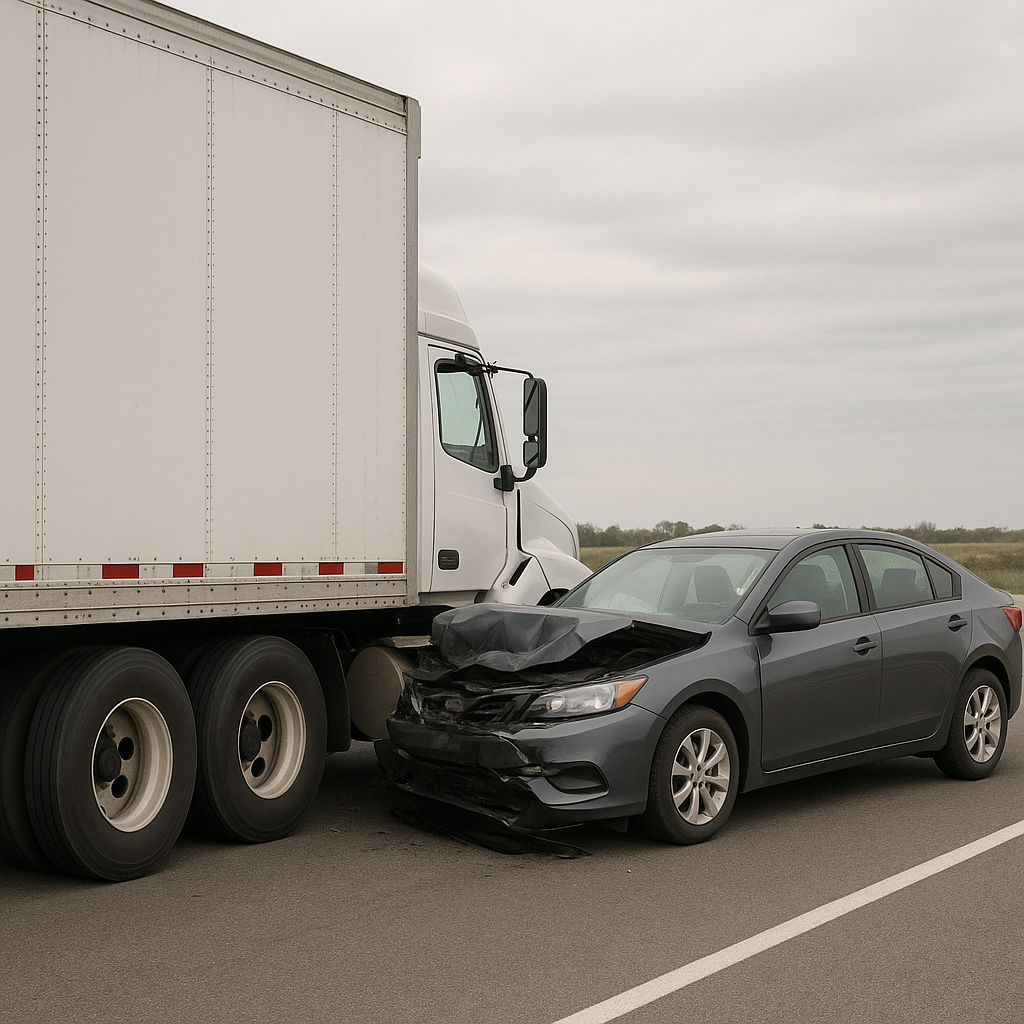
Why Trailer Height Variation Affects Crash Severity
When considering road safety, the design and geometry of vehicles play a crucial role in determining crash outcomes. One important but often overlooked factor is “trailer height variation”—the differences in height between truck or semi-trailer rear ends and the front ends of colliding passenger vehicles. The degree of “height variation severity” directly influences the consequences of a crash, especially during underride collisions when a smaller vehicle strikes the rear or side of a large trailer. Understanding how variation in trailer height affects the nature and severity of crashes is essential for appreciating its implications for roadway safety.
Mechanics of Trailer Height Variation
Physical Differences Between Vehicles
The composition of road traffic features substantial diversity in vehicle sizes and profiles. Commercial truck trailers, particularly semi-trailers, are built with specific ground clearances, typically higher than the bumper height of most passenger cars. Meanwhile, passenger vehicles are generally designed with lower bumper and hood lines for aerodynamic and safety reasons.
However, within the trucking industry itself, trailer height is not standardized. Different loads, suspension settings, and trailer designs mean the height of trailer undercarriages and rear bumpers may vary. Even within fleets, factors like cargo weight and air suspension systems can change the vertical profile of a trailer.
Impact Interface During Collisions
When a car collides with a trailer, especially at the rear or side, the height at which the vehicles’ structures meet becomes critical. In an ideal scenario where bumper heights align, the safety structures of both vehicles interact as intended, and energy-absorbing features built into the vehicles can function optimally. But when trailer height varies and does not match the crash zone of a passenger vehicle, this harmony is disrupted, creating what is known as “height mismatch.”
How Height Variation Influences Crash Severity
Energy Absorption and Structural Engagement
The severity of a crash is dictated in part by how crash energy is managed. Passenger vehicles are designed with crumple zones, bumpers, and other deformable structures at specific heights. If a passenger car hits a trailer whose rear impact guard or bumper is above the hood line or below the crush-resistant portion of the front structure, the car’s energy-absorbing elements are bypassed.
This mismatch means the passenger compartment may not be protected by intended barriers. Instead, the stiff, unyielding mass of the trailer could intrude directly into the cabin, causing devastating intrusion. The further the bumper of the trailer is from the car’s crash structures, the greater the “height variation severity,” escalating the risk for occupants.
Underride and Override Risks
One of the most dangerous scenarios associated with height variation is known as “underride.” An underride occurs when a smaller vehicle, such as a car, slides underneath the trailer during a crash. If the trailer’s rear guard is mounted too high, even by a small margin, the car may penetrate under the trailer. Here, the car’s hood and engine bay offer little resistance, allowing the trailer’s lower structure to enter the passenger cabin.
The height variation can also result in “override” in rare cases, especially if the smaller vehicle rides over unusually low trailer parts, but this is less common. The overwhelming concern remains underride, as this phenomenon is closely tied to catastrophic injury and fatality rates.
Real-World Implications for Crash Outcomes
Occupant Injury Patterns
Data from crash investigations and safety studies show that when trailers have significant height mismatches relative to colliding vehicles, outcome severity rises. High trailer underguards, or guards that are out of alignment, result in greater injuries because they allow more intrusion into the passenger compartment. Head and neck injuries, often fatal, are more likely when the passenger compartment loses structural integrity.
Trailers with consistently lower or better-aligned guards distribute crash forces more evenly, allowing the safety mechanisms in passenger vehicles a greater chance to work. The difference of just a few inches in trailer height can mean the difference between a survivable accident and a severe or fatal one.
Variability Across Road Environments
Height variation severity plays a role in a wide array of traffic environments: multilane highways, rural roads, and urban streets. The risk can be amplified at night or in low-visibility situations where a driver may not anticipate the presence or precise elevation of a trailer’s rear. In pile-up conditions or secondary collisions, initial impacts can alter the resting height of a trailer, changing the risk profile for subsequent crashes.
Influence on Traffic Safety Systems
Crash-avoidance technologies such as automatic emergency braking and forward-collision warning systems in modern vehicles are calibrated based on typical crash zone alignments. Significant deviations in trailer height can reduce the effectiveness of these systems if sensors cannot correctly interpret the structural layout of the rear of a trailer. In addition, underride guards and safety devices are only able to perform when they are located within the structural crush zones of most passenger vehicles.
Emergency Response Challenges
After a severe underride crash, emergency responders may face added complexity. Intrusion into the passenger cabin complicates extrication and the delivery of lifesaving care. The likelihood of fatal injuries before responders arrive increases when the severity of a crash is heightened by trailer height variation.
Increasing Awareness Within Transportation
Research, crash reconstruction studies, and investigations by safety agencies highlight the role of trailer height variation in determining crash severity. This area of study is integral to broader conversations about vehicle design, infrastructure safety standards, and the evolution of both heavy and light vehicle fleets.
While crash severity is influenced by many factors—like speed, weather, and road conditions—the alignment of vehicle structures during a collision remains one of the most direct and consistent predictors of injury outcomes. Height variation between trailers and passenger vehicles stands out as a tangible, measurable contributor to these outcomes.
Neutral Close
Understanding how trailer height variation affects crash severity sheds light on the intricate relationship between vehicle design and crash outcomes. As vehicle technologies evolve and traffic compositions shift, the interplay between differing vehicle heights remains a defining factor in roadway safety analysis. The topic continues to inform discussions among engineers, safety researchers, and transportation stakeholders, emphasizing how design choices have wide-reaching effects on the realities of crash severity on modern roads.