
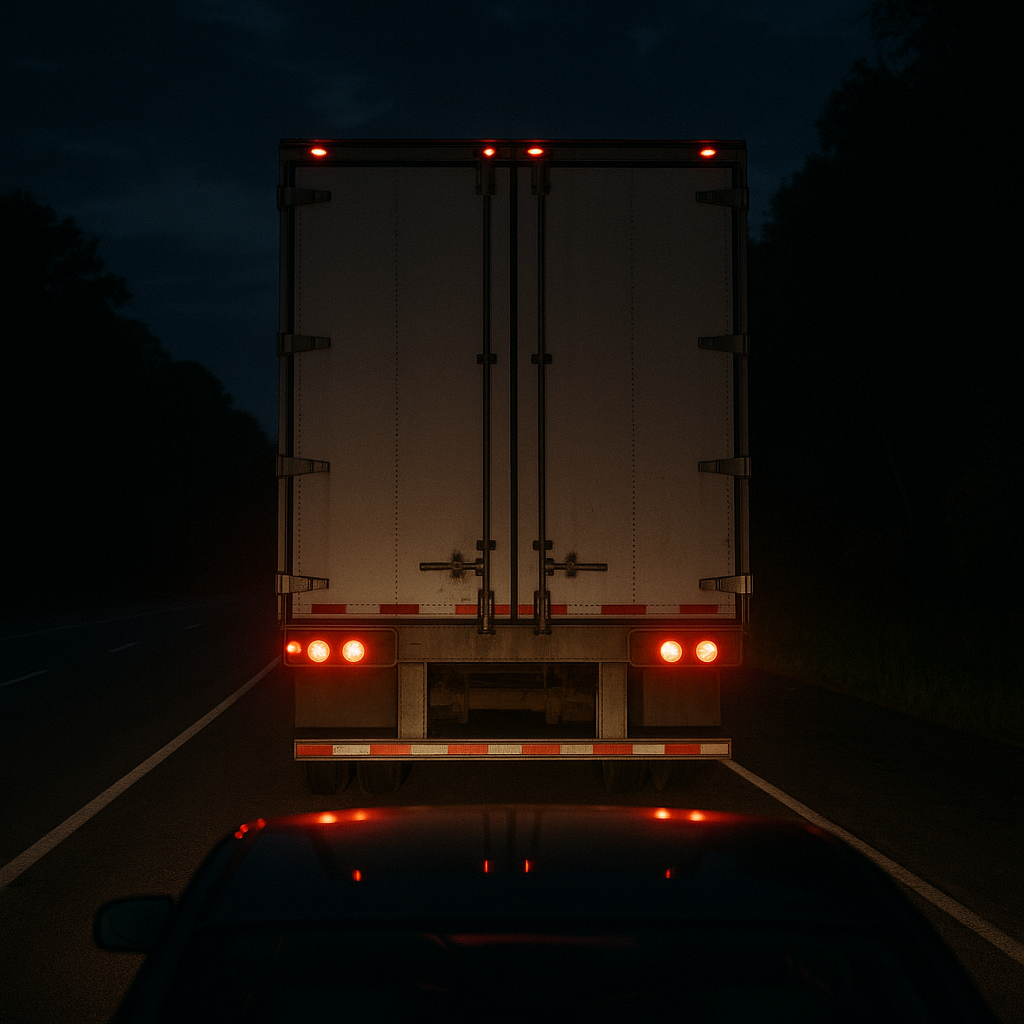
Why Trailer Rear Visibility Is Critical at Night
Rear visibility at night is a fundamental aspect of road safety for commercial vehicles, particularly trucks and trailers. With the highways bustling around the clock and many freight journeys extending into the late hours, the importance of this topic cannot be overstated. Trailer rear visibility at night directly impacts how well other drivers can detect and interpret the presence and behavior of large vehicles. Understanding the systems at play, the underlying causes for reduced visibility, and the impact on real-world crashes paints a thorough picture of this often-overlooked safety concern.
The Mechanics of Trailer Rear Visibility Systems
Effective rear visibility for trailers relies on several systems designed to make the trailer noticeable at night. Markings, reflectors, taillights, and conspicuity tape work together to enhance the visual signature of a trailer in darkness. Each component serves a specific role in illuminating the outline and basic dimensions of the trailer when ambient light is minimal.
Taillights emit red light to alert approaching motorists of the trailer’s presence, especially during braking or lane changes. Additional marker lights installed along the sides and top corners can further define the trailer’s shape. Reflective tape and markings harness the headlights of trailing vehicles, sending focused beams of light back in the driver’s direction. The effectiveness of these systems hinges on their integrity, cleanliness, and correct installation. A lapse in any component—such as a broken taillight or dirt-covered reflector—can render a trailer nearly invisible.
Weather significantly affects how well these systems operate. Rain, fog, or snow can obscure rear lights and reflective tape, further diminishing the already-limited night visibility. In these conditions, the physical systems that alert drivers to the trailer’s presence become all the more critical. Trucks operating in adverse weather therefore carry a higher risk when their rear visibility systems are compromised.
Causes of Reduced Rear Visibility at Night
Several factors converge to diminish rear visibility for trailers once daylight fades. The inherent limitation of human night vision is a fundamental cause. As darkness falls, the ability to discern moving or stationary objects decreases sharply. The deprivation of natural daylight means that drivers are almost entirely reliant on artificial illumination—either from their own headlights or from the lighting equipment installed on other vehicles.
Headlight illumination, while powerful for close-range detection, fades rapidly with distance and at certain angles. When a trailer’s rear-facing visuals are insufficient—either because lights are too dim, reflectors are misplaced, or reflective tape is worn—the vehicle blends into the darkness. Maintenance plays a critical role in this scenario. Dirty, damaged, or missing lights and reflectors are common issues on busy, long-haul trailers.
Urban and rural environments pose different challenges. Dense city lighting can cause visual clutter at night, making it difficult to pick out a trailer amid the multitude of light sources. In contrast, rural environments amplify the risks due to scarce ambient lighting and longer stretches without streetlights. On both types of roads, a lack of strong rear visibility features can mean the difference between being seen and being overlooked.
The Connection to Real-World Crashes
The relationship between inadequate rear visibility and night-time crashes is underscored by numerous incident analyses and safety research. When a trailer is poorly visible in low-light conditions, following drivers have a drastically reduced response time. This is especially critical on highways, where vehicles travel at sustained high speeds and the interval between sight and impact may be just a few seconds.
One common real-world scenario occurs when a passenger vehicle approaches a slow-moving or stopped trailer at night. If the trailer’s rear is not properly lit or marked, the closing driver may not recognize the object ahead until it is too late. These collisions often result in severe outcomes, sometimes involving the compacting of the passenger compartment under the trailer—a situation known as an underride crash.
Nighttime visibility issues are also linked to lane-change incidents. When trailers lack clear rear demarcation, headlights from the vehicle behind may not reveal the trailer’s full length. This can lead to drivers misjudging distances or blind spots, merging into another lane, and colliding with the tail or side of the trailer. Evasive maneuvers in low-visibility conditions tend to escalate the severity of outcomes compared to similar movements performed in daylight.
Research and crash data consistently show a spike in rear-end and underride crashes involving large trucks at night, with poor or absent trailer rear visibility systems often noted in official investigations. The cumulative effect not only impacts fatalities and injuries but also the secondary repercussions of such accidents, including road closures and traffic congestion.
Factors Affecting the Criticality of Nighttime Rear Visibility
Several factors heighten the importance of rear visibility for trailers during nighttime travel. Human factors rank highly—drivers are more likely to experience drowsiness, impaired perception, and delayed reaction times in the dark. Artificial lighting, while improving some aspects of roadway safety, can create glare or result in uneven illumination, distorting how far away or how large a trailer appears. These already challenging conditions compound the risk when trailers are not equipped with highly visible markers.
Technological advances have introduced new lighting systems and durability improvements in reflectors, yet the basic principle remains: rear visibility must be sustained, not just present. Seasonal factors, particularly in winter, can exacerbate weaknesses by covering rear lighting and tape with snow, salt, or road grime for extended periods. Night-shift schedules and increased overnight freight movement mean there are more trailers on the road during the riskiest hours, magnifying the stakes involved.
Infrastructure also plays a role. Roads lacking regular rest areas or pullouts may force trailers to stop in less visible spots along the highway. In such instances, the quality and condition of their rear visibility systems stand as the last defense against a rear-end collision.
Contextual Reflections
The issue of trailer rear visibility at night highlights the interaction between technology, maintenance, human perception, and the realities of the transportation system. Incidents involving poor visibility underscore the cumulative nature of risks: equipment degradation, weather, driver performance, and roadway conditions can interact with severe consequences. Understanding why rear visibility is critical at night leads to an appreciation of how small oversights or minor technical faults can translate into life-changing events on the road.
While the technological means to prevent such situations are widely available, their effectiveness is contingent upon a network of factors, including regular maintenance, fleet management policies, and the unpredictable nature of nighttime driving environments. The observing public and professionals in transport recognize that trailer rear visibility at night is a safety cornerstone, shaped by a complex interplay of systems and situational variables that ultimately shape outcomes—for every road user involved.