
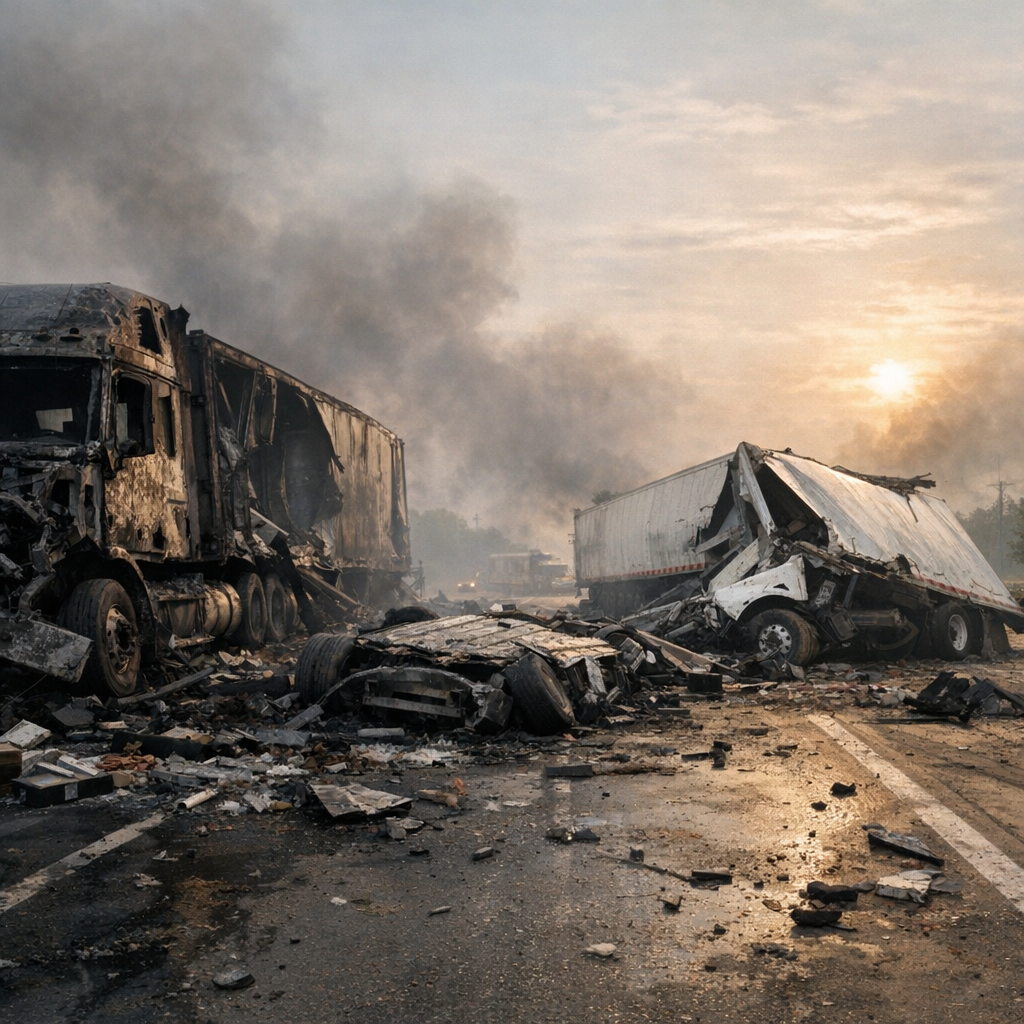
Fatal Outcomes from Catastrophic Truck Crashes
Catastrophic truck fatal incidents are a significant concern on highways and major roads. These events typically involve large commercial vehicles, such as tractor-trailers or semi-trucks, and often smaller passenger cars or other trucks. While the design of modern trucks aims to improve road safety, the sheer mass and momentum of these vehicles pose major challenges in emergency situations. Hazards can arise when a truck is unable to stop in heavy traffic, when a vehicle encounters a jackknifed trailer, or during rollover incidents on curves. Although safety systems are continually improving, high speeds and road conditions contribute to the potential for catastrophic harm.
The Severity of Catastrophic Truck Collisions
Highway truck accidents tend to result in severe outcomes due to the size and weight of the vehicles involved. When a fully loaded commercial truck is in motion, it can weigh up to 80,000 pounds—vastly more than the average passenger car. In a collision, this weight disparity means that smaller vehicles absorb most of the impact forces, often resulting in fatalities or life-altering injuries. These crashes occur both in rural areas at high speeds, and in congested urban settings where stopping distances are short.
Factors contributing to these catastrophic truck fatal incidents include driver fatigue, weather-related road conditions, long braking distances, and sometimes mechanical issues. When a crash does occur, emergency response is often complicated by the size and position of the truck. Responders may need specialized equipment to reach those involved. Highway closures or traffic disruptions may result, as clearing the scene can be a lengthy process.
Immediate Aftermath of a Truck Crash
The first moments after a catastrophic truck collision are critical. Emergency teams move quickly to assess the situation, assist those involved, and restore safety to the area. First responders face challenges unique to large vehicle incidents, including the potential for fuel spills or cargo hazards. Communication among police, firefighters, and medical personnel is essential to ensuring effective management of the scene.
Triage and Stabilization
Trained professionals evaluate the condition of everyone involved and prioritize care based on immediate need. Medical teams focus on stabilizing individuals and preparing for transport to medical facilities. Given the scale of many catastrophic truck fatal incidents, multiple agencies may collaborate to provide coordinated care.
Scene Management and Investigation
Beyond medical response, authorities must document the incident and address safety risks. This often involves reconstructing the sequence of events and reviewing contributing factors like weather or traffic flow. Recovery of the road for public use is a primary objective once the immediate crisis has passed.
Long-Term Recovery and Ongoing Challenges
After the immediate crisis subsides, the effects of a major truck crash remain evident for a long time. Individuals and families may encounter both physical and psychological challenges, ranging from traumatic memories to adjustment to new routines.
Rehabilitation and Support Systems
Those affected by catastrophic truck fatal accidents often require ongoing care and rehabilitation. Healthcare teams may coordinate physical therapy, occupational therapy, and other supportive services to help individuals regain independence, when possible. Progress can be gradual and often requires adaptation and resilience.
Coping With Change
Families and communities often provide crucial support throughout the recovery process. Adjusting to life after a severe incident involves emotional, logistical, and sometimes financial adaptations. Access to support networks and resources can assist individuals as they navigate new circumstances.
The Impact on Families and Everyday Life
The consequences from a catastrophic truck crash extend far beyond the event itself. For many, these incidents change the fabric of everyday life. Loss and change may affect family structures, work responsibilities, and future plans. Communities may come together in support, or routines may shift as loved ones adapt to different physical or emotional needs.
In addition, the presence of a catastrophic truck fatal incident can affect the broader public through increased roadway safety measures or changes to transportation patterns. Infrastructure improvements, public awareness campaigns, and ongoing safety initiatives often result from the lessons learned in the aftermath of such events. This collective response reflects a commitment to minimizing future risks and enhancing safety for all road users.
A Continued Emphasis on Highway Safety
Catastrophic truck fatal incidents highlight the complex challenges of maintaining safety on modern roadways. Efforts to understand, mitigate, and respond to these occurrences are ongoing. Collaboration among vehicle operators, industry professionals, first responders, and the public remains essential in striving for safer travel environments. Through these shared commitments, communities look to reduce the likelihood and impact of future catastrophic events.