
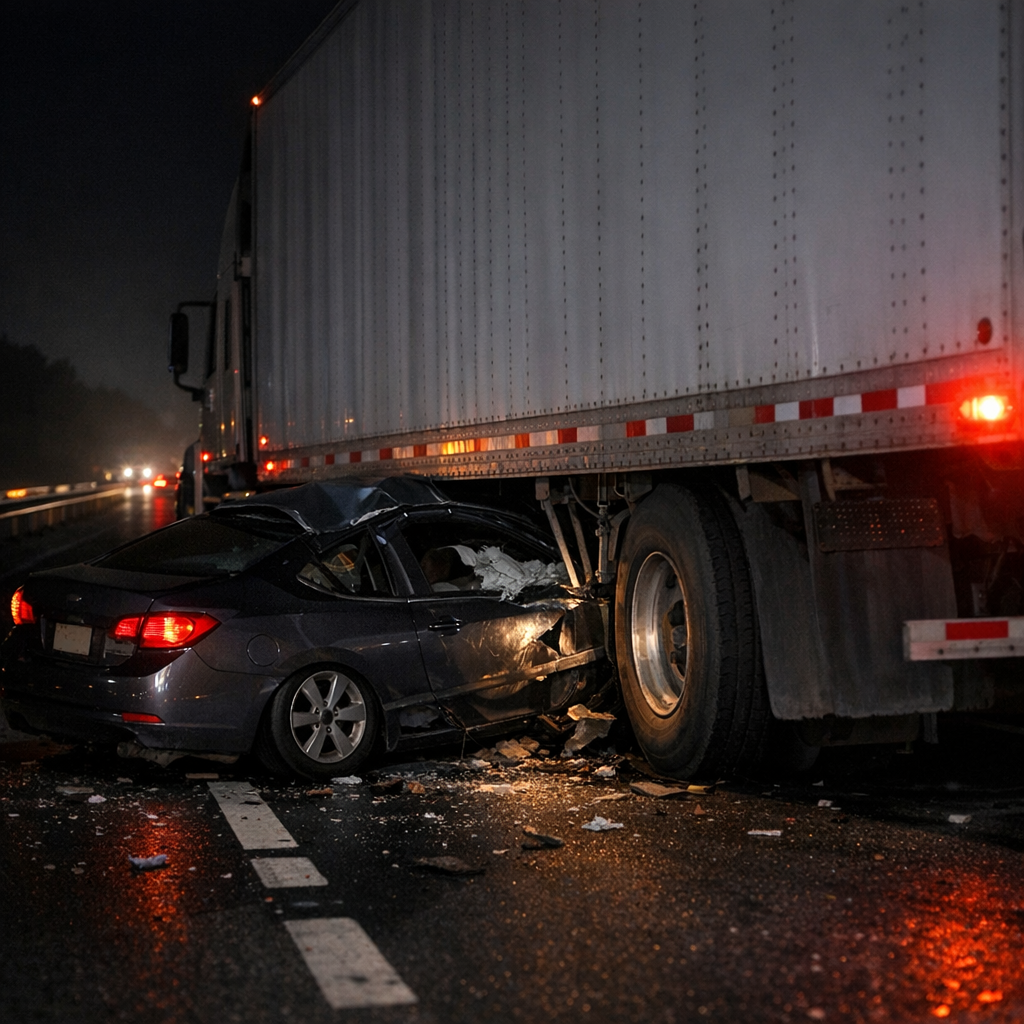
Fatal underride accidents during nighttime driving
Fatal underride accidents during nighttime driving are a critical concern on highways, particularly where large trucks and passenger vehicles share the road. An underride accident occurs when a smaller vehicle, such as a car, slides underneath the trailer of a large truck, often resulting in catastrophic outcomes. These incidents are most likely to take place at night, when reduced visibility and slower reaction times contribute to dangerous situations.
Unlike other types of highway collisions, underride crashes present unique risks due to the height difference between truck trailers and most passenger vehicle fronts. When a car makes contact with the side or rear of a tractor-trailer, it may go underneath the trailer, bypassing standard vehicle safety protections. The consequences can be severe, particularly during the low-visibility hours of nighttime driving, when these accidents are more difficult to avoid.
Understanding the Basics of Nighttime Underride Accidents
Nighttime underride fatal crashes often result from a combination of road conditions, limited lighting, and the complex dynamics of highway travel after dark. Passenger car drivers may have difficulty distinguishing the silhouette of a stopped or slow-moving truck, especially if reflective markings or underride guards are absent or inadequate.
Truck trailers can appear almost invisible at night, especially if side lighting is poor or if the trailer blends into its surroundings. A sudden lane change, an unexpected stop, or even a standard merging maneuver can lead to a vehicle inadvertently sliding under the trailer, causing significant damage and often resulting in fatal outcomes.
In many cases, the truck is stationary or moving at reduced speed, increasing the risk for vehicles approaching at highway speeds. The difference in velocity, combined with restricted nighttime visibility, can leave little time for corrective action.
Consequences of Underride Accidents
When an underride accident occurs during nighttime hours, the fatality risk is significantly elevated. The structure of passenger cars is generally designed to absorb impacts at bumper or hood level. However, in an underride scenario, the main impact zone can bypass these safety mechanisms altogether.
These accidents are most dangerous to front-seat occupants. The passenger compartment can be severely compromised, as standard airbags and seatbelts may not protect against the forces and angles involved in underride situations. The lack of underride protection or inadequate reflective markings can mean that a driver is unaware of the truck’s presence until it is too late to slow down or swerve.
Even when not fatal, survivors of these crashes may face lengthy recovery periods and life-altering changes. Physical injuries, combined with the sudden and traumatic nature of nighttime collisions, often require a multifaceted approach to recovery and adaptation.
The Aftermath: Navigating the Impact on Families and Daily Life
The broader impact of nighttime underride fatal crashes extends well beyond the roadside incident. Families affected by these accidents face abrupt changes that can alter their daily routines, financial stability, and emotional wellbeing. The loss of a family member or the sudden onset of serious injury may require families to make significant adjustments, sometimes involving changes in housing, employment, or caregiving responsibilities.
Daily life may shift in unexpected ways. Commuting routines, recreational activities, and social engagement can all be disrupted. Individuals who survive an underride accident may require ongoing rehabilitation or assistance, impacting both personal independence and family dynamics. Rehabilitation and support, often multi-staged and lengthy, can become central to daily schedules.
Children, spouses, and extended family are often drawn into the recovery process. They may need to provide care, adapt living spaces, or coordinate travel to and from medical appointments. These adjustments, while essential, can place additional strain on relationships and household function.
Community Awareness and Highway Safety Measures
Nighttime underride fatal accidents also highlight the importance of community awareness and robust highway safety practices. Industry efforts to reduce these accidents have included the use of brighter reflective tape, undercarriage guards, and improved lighting for trucks. However, many trailers still lack adequate protections, particularly on side panels.
Communities, transportation planners, and companies are continually evaluating and enhancing safety measures, seeking solutions that adapt to the unique risks posed by nighttime driving. Effective lighting, clear road signage, and vigilant maintenance are all areas that can contribute to reduced risk, though the variability of nighttime conditions means that challenges persist.
Ongoing Developments in Prevention and Recovery Resources
Emerging technologies offer potential for reducing nighttime underride fatal crashes. Advances such as automatic emergency braking and lane departure warnings may help drivers avoid collisions, especially in low-visibility situations. Additionally, improved design standards for both trucks and passenger vehicles could further protect occupants and reduce fatality rates.
Support resources, both community-based and organizational, continue to play a role in helping families recover from the lasting effects of these incidents. Emotional support, access to information, and opportunities for connection with others who have experienced similar events can aid in the recovery and adjustment process.
###### Quiet Reflection on Road Safety
While nighttime underride fatal accidents remain a serious concern, ongoing awareness and gradual improvements in highway safety practices are fundamental to shaping safer roads. The combination of responsive infrastructure, community engagement, and evolving vehicle safety designs continues to inform efforts aimed at reducing fatal crashes and their wider impact on individuals and families alike.