
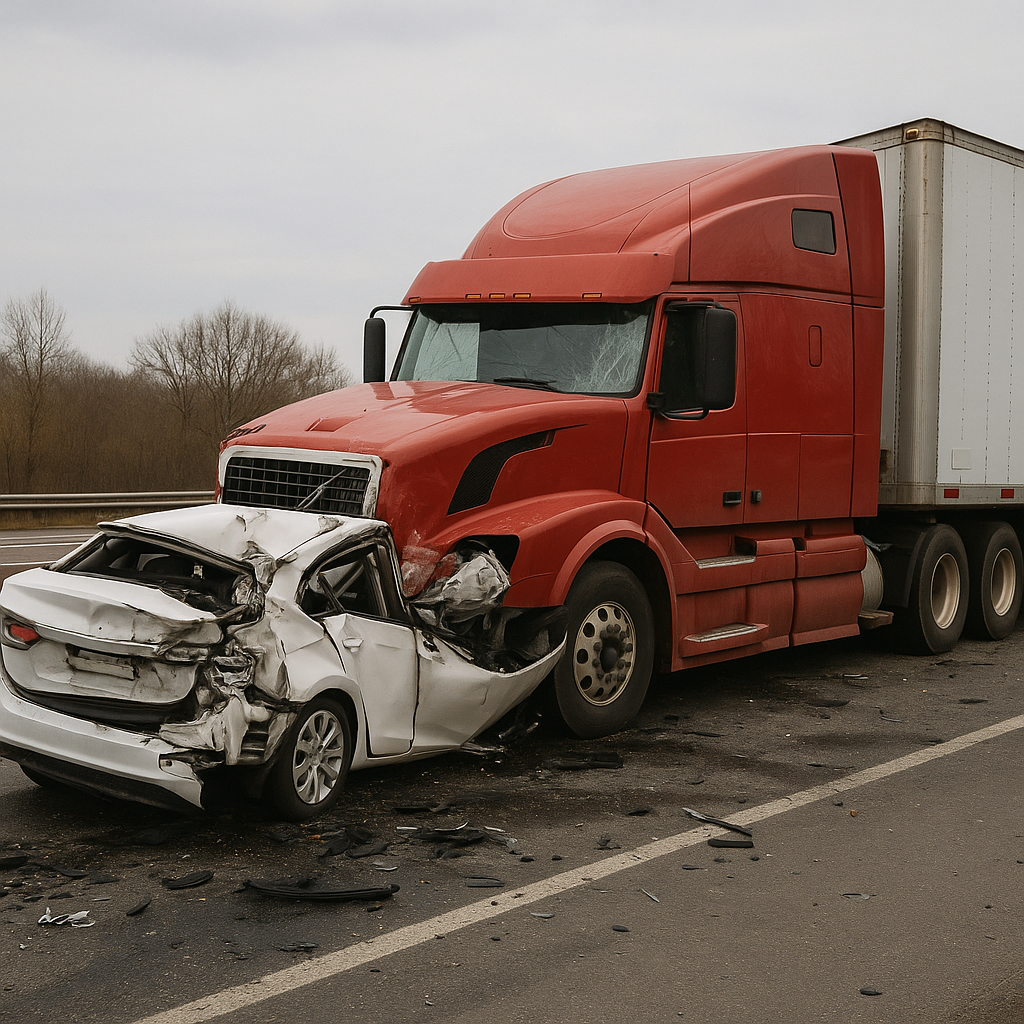
What Makes Catastrophic Truck Crashes Different
Catastrophic truck crashes occur when large commercial vehicles, such as tractor-trailers or tanker trucks, are involved in high-impact incidents. These events often involve collisions with smaller vehicles, sudden rollovers, or jackknife accidents on busy highways or at intersections. The sheer size and weight of trucks make these incidents markedly distinct from typical roadway accidents.
While many truck accidents involve challenging circumstances, catastrophic crashes stand out due to the extent of damage and disruption they cause. The impact forces generated can compromise vehicle structures, surpass safety measures, and affect multiple parties. Factors like speed, cargo type, road conditions, and vehicle dynamics all contribute to the severity of such events.
The Scale and Forces Involved in Catastrophic Truck Accidents
The fundamental catastrophic crash difference centers around the immense mass and energy absorbed by those involved. Trucks can weigh up to 80,000 pounds when fully loaded, compared to the significantly lighter passenger vehicles around them. When a crash occurs, the forces at play are significantly higher, influencing the severity of damage and potential for loss.
This difference is not simply a matter of vehicle size; it spans the nature of vehicle movement, the potential for secondary incidents, and the challenges first responders face in stabilizing the situation. Large trucks may enter multiple lanes, disrupt traffic flow, or involve hazardous materials that require special attention. As a result, recovery and repair efforts are more complex and prolonged.
Immediate Response and Safety Measures After a Catastrophic Incident
In the aftermath of a catastrophic truck crash, the immediate priorities center on safety and stabilization. Emergency crews assess the scene for hazards such as fuel leaks or unstable cargo. Traffic is often rerouted to allow responders to secure the area and assist those on site. The scale of these incidents can mean that roads are closed for hours or even days.
Onlookers and nearby communities may experience delays and disruptions in daily routines. Public safety teams work to clear wreckage and restore normal traffic patterns as efficiently as possible, but the complexity of truck crashes means this process can be lengthier compared to smaller vehicle accidents.
Assessing the Immediate Impact on Traffic and Infrastructure
Catastrophic truck crashes frequently cause substantial traffic congestion and, occasionally, structural damage to roadways or surrounding infrastructure. When cargo spills onto the road or a truck strikes a barrier, it can take specialized equipment and crews to resolve the incident. These situations demand coordinated response efforts across local authorities and transport agencies.
Timeline for Site Recovery and Roadway Reopening
Depending on the extent of the crash, immediate site recovery may span several hours. If hazardous materials are involved or if infrastructure needs repairs, the timeline can stretch further. Departments work methodically to ensure safety for future travelers by conducting evaluations and inspections prior to reopening the area.
Long-Term Impacts on Families and Communities
The catastrophic crash difference extends well into the lives of those affected. People impacted by a serious truck crash may experience shifts in their daily patterns, changes in employment, or the need for ongoing care. Family members often must adapt to new responsibilities and routines.
The broader community also feels the effects through local traffic changes, potential economic disruption, and the emotional challenges that can arise when such incidents occur in a familiar environment. Schools, businesses, and essential services may temporarily alter their operations in response to road closures or diversions.
Adapting to Changed Routines After a Major Incident
Families may need to adjust work and school schedules, especially if a household member was directly impacted. This adjustment can be sudden and require ongoing flexibility in the days and weeks following the crash. Support systems and community resources often play a role in helping families navigate these challenges.
Effects on Local Services and Infrastructure
Major truck crashes prompt reviews and potential updates to local safety measures, including roadway signage, speed limits, or traffic signals. Infrastructure repairs after significant impacts may lead to extended detours or changes in travel patterns. Authorities work to minimize disruptions but must also ensure thorough repairs and safety enhancements, which can extend the recovery timeline.
Ongoing Recovery and Adaptation After a Severe Truck Crash
Adaptation to life after a catastrophic truck crash is a gradual process, differing from person to person. Physical and logistical recovery can be accompanied by adjustments in living arrangements, transportation methods, and daily habits. Communities work together to promote safety awareness and improve roadway conditions, hoping to prevent future incidents.
Community Support and Awareness Initiatives
Information campaigns and support groups may emerge to provide resources for affected individuals and their families. These efforts aim to foster resilience and collective knowledge about truck safety and crash prevention. Over time, shared experiences contribute to improved readiness and support within the community.
Long-Term Safety Improvements
After a catastrophic truck crash, agencies often review road designs, commercial vehicle routes, and enforcement strategies. Enhanced training and stricter regulations may follow, focusing on preventing a repeat scenario. While such changes take time to implement, they represent a commitment to safer roads for everyone.
Quiet Reflection on the Lasting Differences
Understanding the catastrophic crash difference helps highlight why truck accidents can have such wide-reaching and long-lasting effects. The combination of vehicle size, force of impact, and scale of disruption makes these incidents distinct. By recognizing these factors, individuals, families, and communities can better understand their experiences, adapt to changes, and support one another through the recovery process.