
What Injuries Result from Truck Rollovers
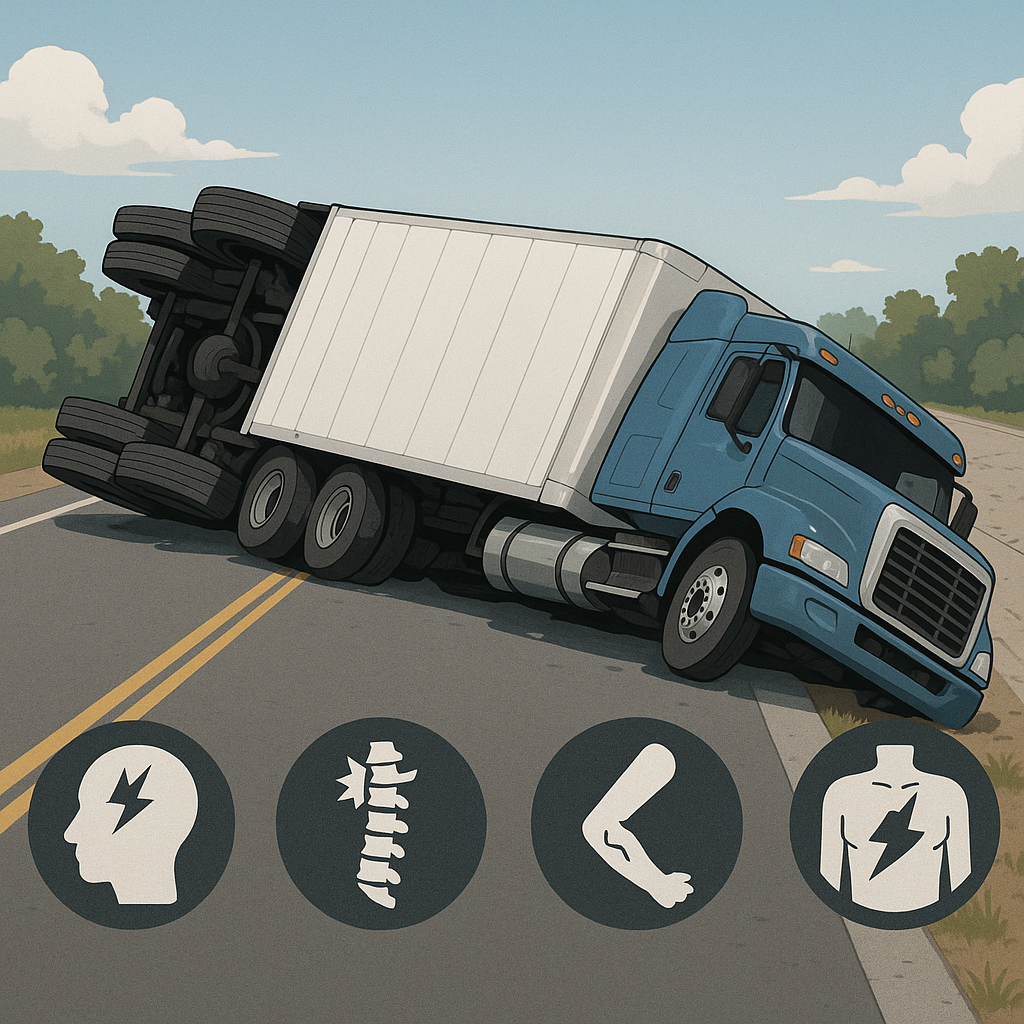
Truck rollovers occur when a large commercial vehicle, such as a semi-truck or trailer, tips onto its side or roof. These incidents often happen on highways or tight turns, typically resulting from sudden steering maneuvers, high speeds, load shifts, or unfavorable weather conditions. Unlike less massive vehicles, commercial trucks have a high center of gravity, making them more susceptible to rolling over when balance is compromised. Vehicles involved in rollovers may experience impacts from several different angles, causing unpredictable movements inside the cab for drivers and passengers.
Immediate Aftermath: Common Rollover Injury Types
Following a truck rollover, individuals inside the vehicle often face an array of injuries with varying severity. The magnitude of the impact, direction of motion, and presence or absence of safety features like seat belts influence injury outcomes. Rollover injury types may affect virtually any body system, but certain injuries are more commonly reported.
Head, Neck, and Back Injuries
The abrupt motions during a rollover often place enormous stress on the driver’s head, neck, and back. Concussions, skull fractures, and whiplash injuries are reported frequently in these events. The rolling motion can also result in spinal cord injuries, which may disrupt mobility and require significant intervention. Even if the injuries appear minor at first, it is common for symptoms such as neck pain or headaches to develop over time, sometimes days after the actual incident.
Limb and Soft Tissue Injuries
During a rollover, arms and legs can become trapped or thrown forcefully against hard surfaces inside the cab. Fractures to the wrists, arms, legs, and ankles may occur, along with dislocations and major sprains. Because of the motion of the truck, muscle strains, deep bruises, and contusions are frequent as well. Injuries to hands and fingers are especially common when individuals brace for impact or instinctively attempt to shield themselves.
Thoracic and Abdominal Trauma
Rollover collisions often result in significant force applied to the chest or abdomen. Broken ribs, bruised lungs, or internal organ injuries sometimes follow. Seat belts, while offering protection against ejection, can sometimes cause bruising or fractures in the chest and pelvis during a violent roll. Abdominal trauma may not be visually evident but can still require urgent care due to the potential for internal bleeding.
Early Recovery Phase: Stabilization and Initial Treatment
The recovery process from rollover injury types starts as soon as emergency responders reach the scene. Timely assessment is vital for identifying life-threatening conditions and beginning the stabilization process.
Assessing Vital Functions
Medical providers first assess breathing, circulation, and neurological function. Airway management or supplemental oxygen could be necessary, especially if head or chest injuries are present.
Addressing Fractures and Muscle Injuries
Splints, immobilization devices, and pain management strategies are used for fractures and sprains. Immediate attention to limb and soft tissue injuries helps limit swelling and the risk of long-term disability.
Understanding Potential Latent Injuries
Injuries like concussions, soft tissue strains, and some internal injuries may have delayed symptom onset. Ongoing observation and follow-up imaging are part of early recovery for those involved in truck rollovers.
Intermediate Recovery: Rehabilitation and Adjusting Routines
The weeks after a commercial truck rollover often require a significant period of adjustment. Depending on injury severity, individuals may participate in various forms of rehabilitation.
Physical Therapy and Range of Motion Improvement
Recovery from fractures, muscle injuries, and dislocations often involves physical therapy. Gradual stretching, strengthening exercises, and balance training all support the restoration of movement and function. For spinal or neck injuries, targeted therapy helps regain mobility while reducing strain on affected areas.
Cognitive and Neurological Rehabilitation
For those affected by head and spinal cord injuries, rehabilitation may also include occupational therapy, speech therapy, or memory training. The process can be slow, with steady progress often seen over months rather than weeks. Therapists focus on helping individuals adapt their homes or routines to promote independence.
Support for Ongoing Symptoms
Pain management, support for sleep, and counseling for stress or anxiety are also included in intermediate recovery. Unpredictable symptoms, such as fatigue, headaches, or changes in concentration, are addressed with a comprehensive approach.
Long-Term Impact: Changes in Family and Daily Life
Truck rollovers do not only affect the injured individual. Household routines, work responsibilities, and relationships may all shift during recovery. A family member may assume new caregiving duties, while the injured person might need ongoing help with transportation, work, or household chores. These new arrangements may continue long after medical treatment has ended.
Adjustments in lifestyle often include changes to limit lifting, driving, or physical activity. Some individuals may seek support groups or resources for adapting to lasting physical limitations. The combined impact on daily life can influence both physical well-being and emotional resilience for everyone involved.
Conclusion: Quiet Realities of Rollover Injury Recovery
In summary, rollover injury types resulting from commercial truck accidents can affect every area of the body, and the recovery journey often extends far beyond medical treatment. Both immediate and long-term impacts are significant, requiring flexibility and adaptation from those injured and their families. While the process is complex, understanding what injuries can result from truck rollovers and how recovery unfolds helps those involved plan for the changes ahead with clarity and knowledge.