
Why Underride Crashes Lead to Catastrophic Injuries
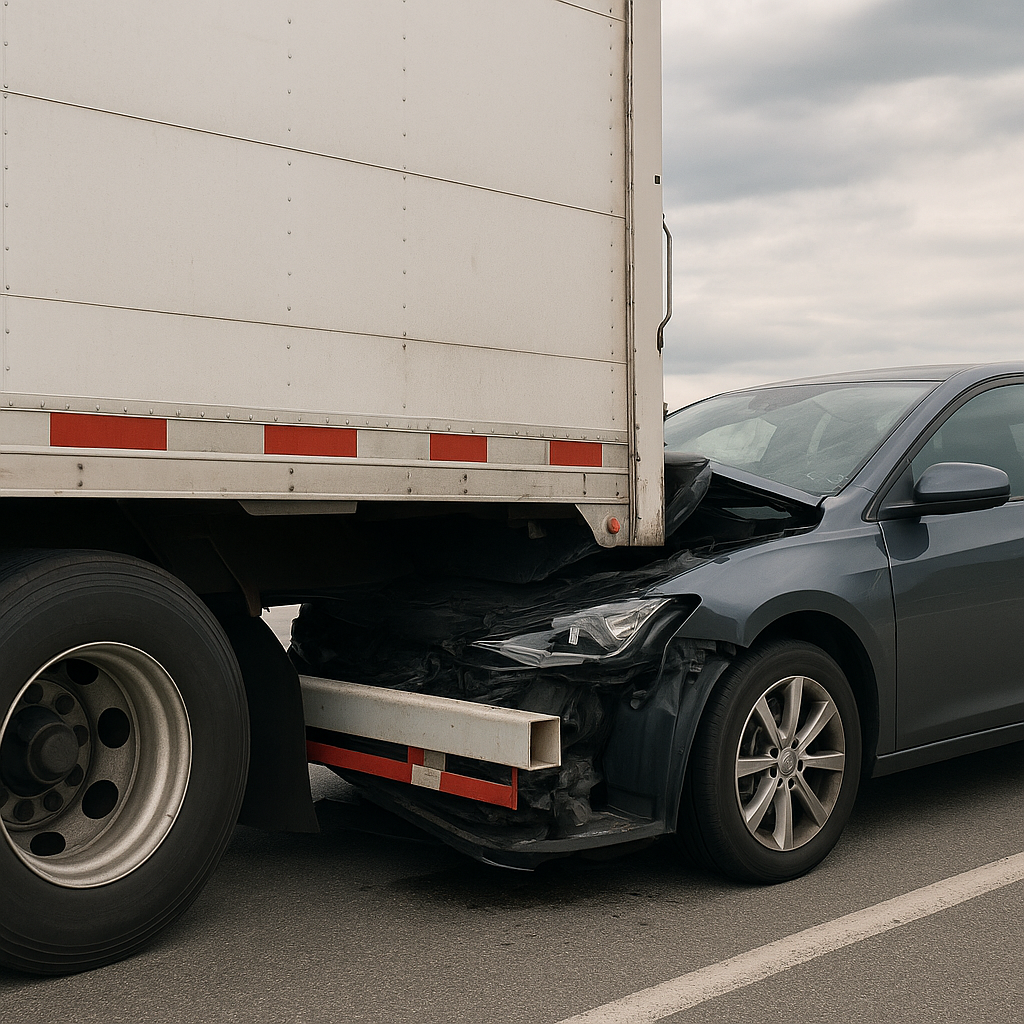
Underride crashes occur when a smaller vehicle slides or becomes trapped beneath the side or rear of a commercial truck, such as a tractor-trailer. These incidents most often happen when a car collides with the trailer at a certain angle or speed, causing it to travel partially under the elevated part of the truck. The outcome is frequently severe, partly because the point of impact is different from most other vehicle collisions.
Understanding the reasons behind the severity of underride crashes allows for a clearer perspective on both their immediate effects and the longer-term recovery that often follows.
The Unique Dangers of Underride Collisions
There are distinct factors that set underride incidents apart from other types of motor vehicle crashes. The main catastrophic reason these crashes lead to severe harm is the height difference between passenger vehicles and large trucks. When a smaller vehicle goes under a higher truck trailer, the protective structures designed to absorb crash energy—such as bumpers and crumple zones—do not function as intended.
In these crashes, the point of contact is frequently at the windshield or roof level, far above the reinforced areas of a passenger car. This distribution of force leaves the occupants extremely exposed to the risk of significant injuries. Injuries that would be mitigated in other crash scenarios are more likely to be catastrophic due to the direct intrusion into the space where occupants are seated.
Early Medical Attention After an Underride Accident
The initial hours and days after an underride collision are focused on urgent medical intervention and stabilization. Immediate assessment typically takes priority, as the potential for serious injury is relatively high. Due to the nature of underride crashes, injuries can be complex and affect multiple regions of the body simultaneously.
During this stage, the medical team often works to stabilize the individual’s condition. Diagnostic imaging may help uncover the extent of damage, guiding next steps in treatment planning. Depending on the outcomes, extended care may be introduced relatively early in the recovery process.
Surgical and Intensive Care Needs
Many who are involved in underride accidents require surgical care to address physical trauma. The timeline and scope for these interventions can vary widely, depending on the pattern and location of injuries. Intensive monitoring is common during this period as the body reacts to both the initial trauma and any surgical procedures.
The Start of Physical Rehabilitation
If stabilization is achieved, the next recovery phase often involves physical therapy and rehabilitation. This stage supports the restoration of function in affected areas of the body and may start as soon as the individual is able. The exact nature of therapy will depend on the type and extent of injuries, and progress may be gradual across days, weeks, or longer.
Ongoing Adjustments in Daily Life
For many people, the aftermath of an underride crash brings ongoing adjustments that affect both the individual and their family. Recovery from catastrophic injuries may require modifications to living spaces or vehicles, changes in daily routines, and new forms of social or physical support.
Many families find that roles and responsibilities shift as they adapt to new needs. This adaptation period can involve regular rehabilitation sessions and medical appointments, which often influence employment schedules and other daily commitments. The focus becomes one of creating a supportive environment that promotes both recovery and long-term well-being.
Emotional and Psychological Considerations
Adjusting after a serious underride accident extends beyond physical recovery. There can be significant emotional and psychological effects for both the person involved and their loved ones. Families may choose to seek counseling or peer support to address these changes, working through the transition to a new normal together.
Planning for Long-Term Support
Accessing community or healthcare resources becomes a central aspect of ongoing adjustment. This might involve incorporating assistive devices, seeking educational opportunities about injury management, or connecting with support organizations. The path forward often includes continuous review and planning as needs change.
Moving Forward After an Underride Crash
Underride accidents are uniquely challenging due to the combination of vehicle design factors and the resulting severity of potential injuries. The consequences are often more serious than in other types of vehicle crashes, in part because conventional safety features are less effective in preventing harm when a smaller vehicle slides under a truck.
Families affected by these accidents typically encounter a period of transition and adaptation as they focus on physical healing and adjusting daily life. While the recovery process can be extensive, understanding the reasons behind the catastrophic nature of underride crashes shines a light on the importance of prevention and informed support throughout every stage.
This overview highlights the multifaceted impact underride incidents can have, underlining the importance of awareness and appropriate recovery planning.