
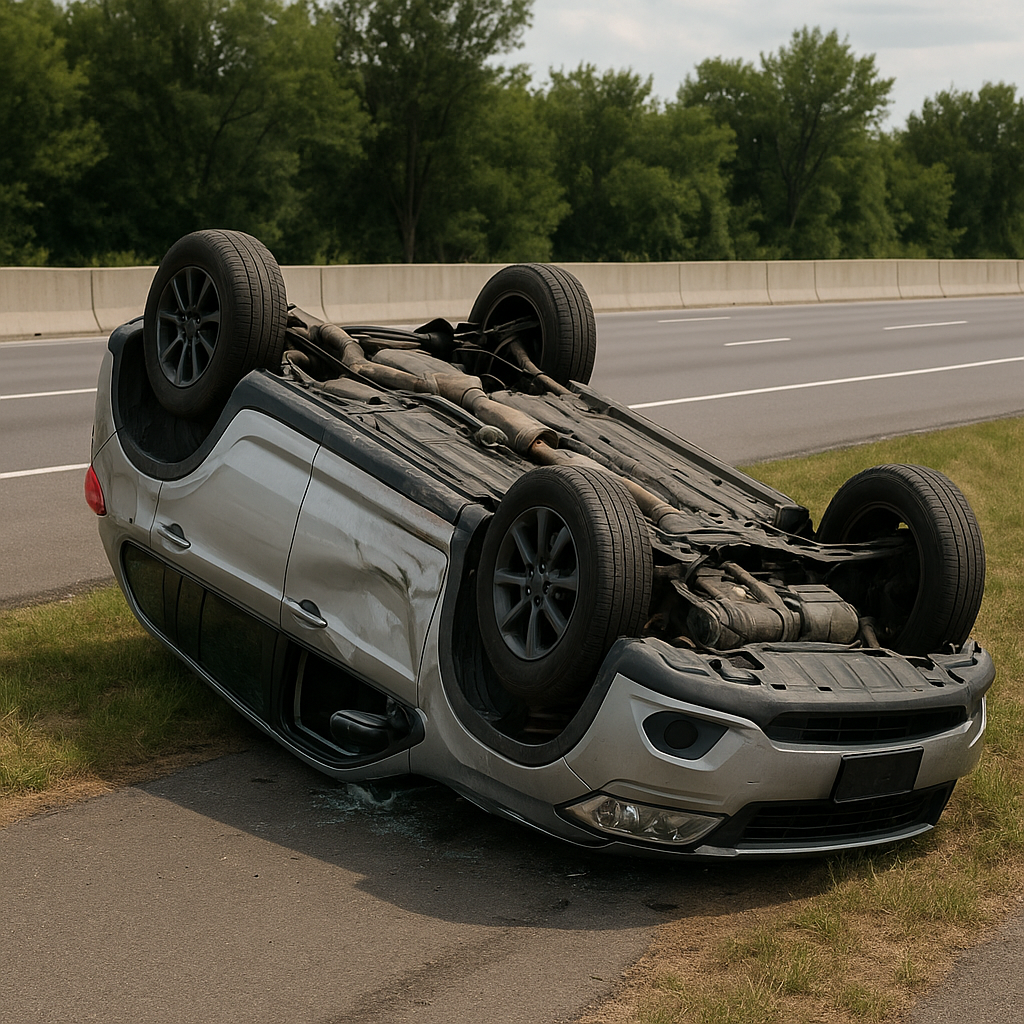
Why Rollover Crashes Are Harder To Survive
Rollover accidents are a particularly serious type of truck crash. These incidents occur when a truck tips over onto its side or roof, often after losing balance or control. Such accidents can involve single vehicles or multiple vehicles and may happen on highways, rural roads, or even city streets. Factors such as speed, sharp turns, uneven surfaces, or sudden maneuvers typically contribute to rollovers. Because of a truck’s high center of gravity and substantial weight, the risk of a rollover is higher compared to standard passenger vehicles.
The Mechanics Behind Rollovers and Survivability
Rollover crashes stand out due to the specific forces involved when a large truck turns over. Trucks are engineered to carry heavy loads, but their design means the weight is positioned much higher than in smaller vehicles. If a driver swerves or travels too quickly around a curve, the truck may exceed the limits of stability, resulting in a rollover.
During rollover events, the entire vehicle structure is subjected to force from multiple angles, including above and to the sides. The roof and sidewalls can experience significant pressure, sometimes leading to structural collapse. When this occurs, the protection normally offered by the vehicle’s cabin is compromised, placing occupants at higher risk for severe injury. Seat belts and airbags, while crucial, are not always as effective during rollovers as in other types of collisions.
Rollover survivability is impacted by these factors. The motions that accompany a rollover can make it more difficult for seat belts to restrain passengers effectively. The violent rotation and tumbling may cause occupants to strike the interior of the cabin or, in some cases, be partially ejected if restraints fail or are not used.
Initial Physical and Emotional Impact After a Rollover Crash
The moments following a rollover can bring immediate challenges for anyone involved. Physical injuries may be complex due to the unique motion and forces at play, while the sudden and unpredictable movement can leave people feeling disoriented. Scrapes, bruises, or more serious injuries may result from the body’s contact with various surfaces inside the vehicle.
Beyond the physical, those involved in a rollover crash often experience a sense of shock, confusion, and worry. It is not uncommon for the emotional response to be substantial, regardless of the severity of the accident. This initial stage sets the tone for the upcoming recovery process.
Physical Recovery Typically Involves Multiple Stages
Medical professionals approach injuries from rollover accidents with careful assessment, as the forces involved can affect areas of the body that are not commonly injured in other crashes. The unpredictable movement makes it necessary to evaluate individuals for a wide range of symptoms.
Treatment and recovery timelines can vary widely. Minor injuries may heal within days or weeks, while more complex cases, such as those involving the spine or internal organs, may require months of rehabilitation and monitoring.
Monitoring and Rehabilitation in Recovery
In the aftermath of a rollover, especially for truck drivers and passengers, recovery may involve specialized therapies. Physical rehabilitation often addresses issues related to mobility, strength, and flexibility. Ongoing evaluation ensures that less obvious symptoms receive attention and proper care.
Emotional Recovery and Support
Mental and emotional recovery can be a lengthy journey. Experiencing such an incident may affect sleep, mood, and daily functioning. Many benefit from professional support services as they adapt to post-accident life, helping them manage stress and restore a sense of routine.
The Broader Effects of Rollover Crashes on Families and Daily Life
A rollover crash can have ripple effects that reach well beyond the individuals directly involved. Families often face disruptions to daily life as routines shift to accommodate medical appointments, therapy sessions, and increased caregiving responsibilities.
Some individuals may find it challenging to return to work or resume driving for a time, leading to temporary changes in household roles or income. Children may need additional reassurance and support as they process the changes in their loved ones’ physical and emotional health. The adjustment period can be ongoing, as families settle into new routines and adapt to any long-lasting effects of the collision.
Communities also feel the impact, particularly in regions where truck driving is a common occupation. When recovery extends over months, the absence of a driver can influence not only family life but also workplace dynamics and broader community connections.
Long-Term Recovery and Adjustments After Rollover Crashes
As physical healing progresses, long-term recovery focuses on regaining as much normalcy as possible. Some people experience full recoveries, while others may adapt to changes in mobility or ability. Ongoing support and resources can make it easier to cope with the new realities shaped by such an accident.
Access to social and community-based resources can be especially valuable. These networks provide assistance with transportation, employment options, and daily living needs, all of which can help smooth the transition through different phases of recovery.
Supporting Ongoing Independence
Tools and strategies are often available to help individuals retain independence and confidence following a difficult experience. Small adjustments in the home or at work, along with the encouragement of family and friends, contribute to a more stable environment during recovery.
Quiet Reflections on Rollovers and Survivability
Rollover crashes present unique challenges to survivability, primarily due to the physical forces at play and the design characteristics of large trucks. Recovery encompasses medical, emotional, and practical adjustments for both individuals and their families. With steady support and access to resources, those affected by rollover accidents can focus on gradual improvement and adapting to any ongoing changes.