
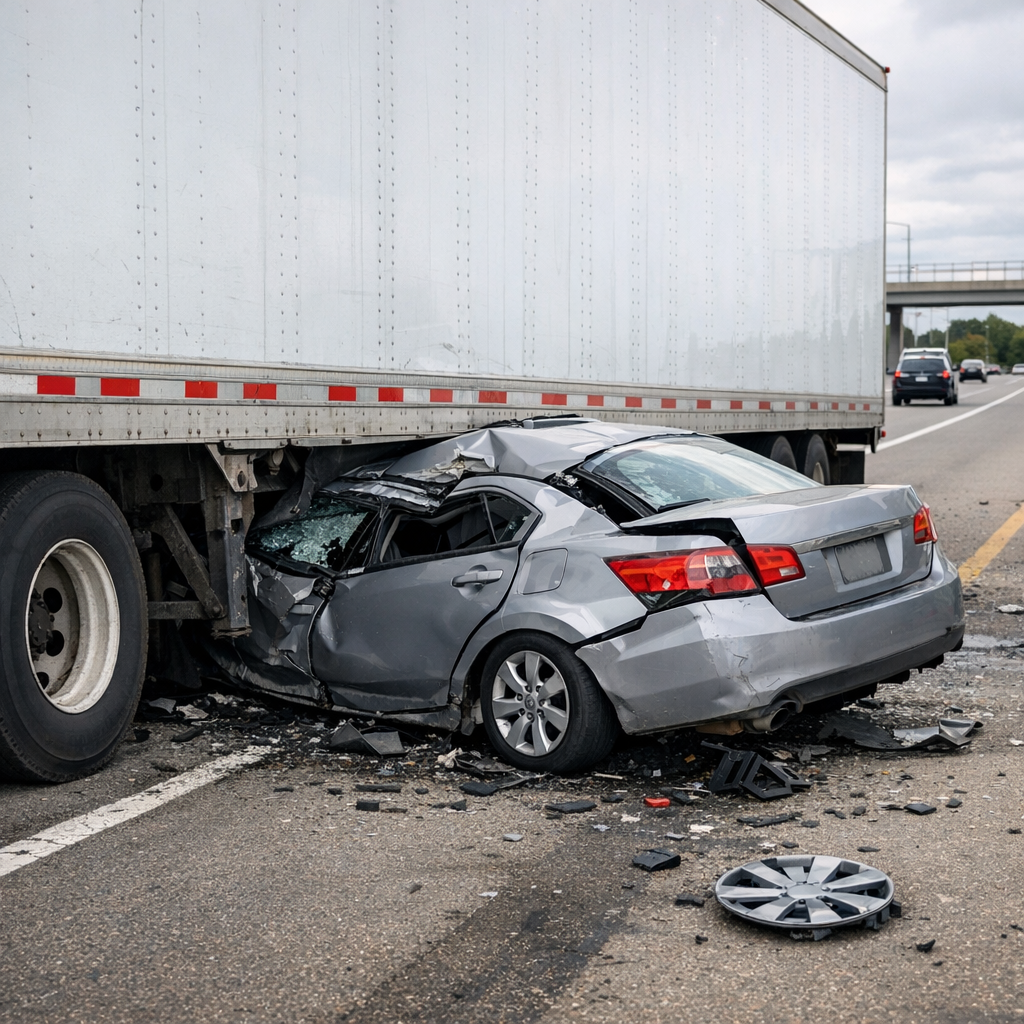
Highway Fatalities Involving Trailer Underride
Highway fatalities involving trailer underride represent a serious risk on roadways where passenger vehicles and large commercial trucks share the same space. A trailer underride accident occurs when a smaller vehicle slides or is forced underneath the rear or side of a large truck’s trailer. These incidents often happen during high-speed collisions or sudden stops and are more common on highways due to increased speeds and traffic volumes. The unique configuration of these vehicles, with a distinct height difference between car bumpers and trailer frames, leads to specific types of impacts that require careful study and awareness.
Understanding Trailer Underride Collisions on Highways
Trailer underride crashes typically occur when a passenger vehicle collides with a truck’s trailer from the rear or side and becomes lodged underneath. This type of highway underride is more likely in situations involving night driving, reduced visibility, or when a truck is making a wide turn or attempting to cross or merge onto high-speed lanes.
The structure of most trailers sits higher than the crash protection zones designed for passenger vehicles. When underride accidents happen, the front of the car can slide under the trailer, compromising the vehicle’s protective features and often resulting in fatal highway collisions. While underride guards are mandatory in some regions, not all trailers are equipped with adequate safety features, or these guards may become damaged over time, creating additional risk.
Causes and Severity of Highway Underride Fatalities
The severity of highway underride fatal incidents comes from how passenger vehicles interact with truck trailers. The energy of a collision at highway speed, paired with the height mismatch, often bypasses critical safety mechanisms such as airbags and reinforced pillars designed to protect drivers and passengers. The vehicle’s roof and windshield areas are not engineered to withstand the force of a truck trailer at high speeds, increasing the chance of catastrophic outcomes.
Furthermore, underride crashes can occur in a variety of highway scenarios. Sudden stops, poorly lit roadways, and unexpected lane changes can all contribute. Environmental factors, like fog or rain, increase stopping distances and reduce perception, making it more likely for a car to end up underneath a trailer.
Another consideration is the visibility of trailers themselves. Trailers lacking reflective markings or functioning lights can be difficult to see, particularly at night or from a distance. Even attentive drivers may have too little time to react when approaching a slow-moving or stopped trailer that does not stand out in low light. These contributing factors highlight why certain collisions become highway underride fatal events.
The Ripple Effects on Families and Daily Life
The impact of a fatal highway underride accident extends far beyond the immediate scene. Families are often faced with sudden loss or long-term consequences resulting from severe injuries. The absence of a loved one due to a highway underride fatal event leaves emotional, psychological, and sometimes financial consequences that reshape family dynamics and future plans.
Communities may respond with increased concern, prompting discussions about highway safety measures, awareness campaigns, and the role of updated equipment or technology in reducing underride risks. Co-workers, friends, and broader social circles may also feel the effects, as these tragedies can lead to widespread grief and ongoing concern for highway travel safety.
On a practical level, families may find themselves adjusting routines or altering travel plans out of heightened awareness. These changes, although subtle, reflect the ongoing influence a highway underride fatal event can have on everyday life. The loss or injury of a community member can also prompt renewed attention to safety education, both among truck operators and the general driving public.
Developing Awareness and Prevention
Highway underride fatal accidents have prompted discussions across industry groups and safety organizations regarding the necessity and effectiveness of underride protection systems on trailers. The installation of stronger rear and side guards, frequent equipment inspections, and enhanced lighting on trailers have all been found to reduce the likelihood and severity of underride incidents. Ongoing monitoring and maintenance of these safety features are critical in mitigating risks, especially on high-speed roadways.
Advances in vehicle technology, such as automatic emergency braking or improved crash detection systems, are also gaining attention as possible ways to prevent collisions from escalating into underride situations. Collaborative efforts between manufacturers, policy agencies, and road safety advocates focus on sharing data and implementing best practices to keep highway travelers safe.
Quiet Progress in Safety and Awareness
Highway fatalities involving trailer underride remain a significant concern for those responsible for roadway safety. Preventing these tragic incidents requires a combination of technology, industry standards, and public awareness. As research and innovation continue, the goal is to reduce the occurrence of highway underride fatal crashes, minimize their impact, and ensure that families, drivers, and communities experience safer travel every day. With continued attention and commitment, progress in reducing these risks is possible.