
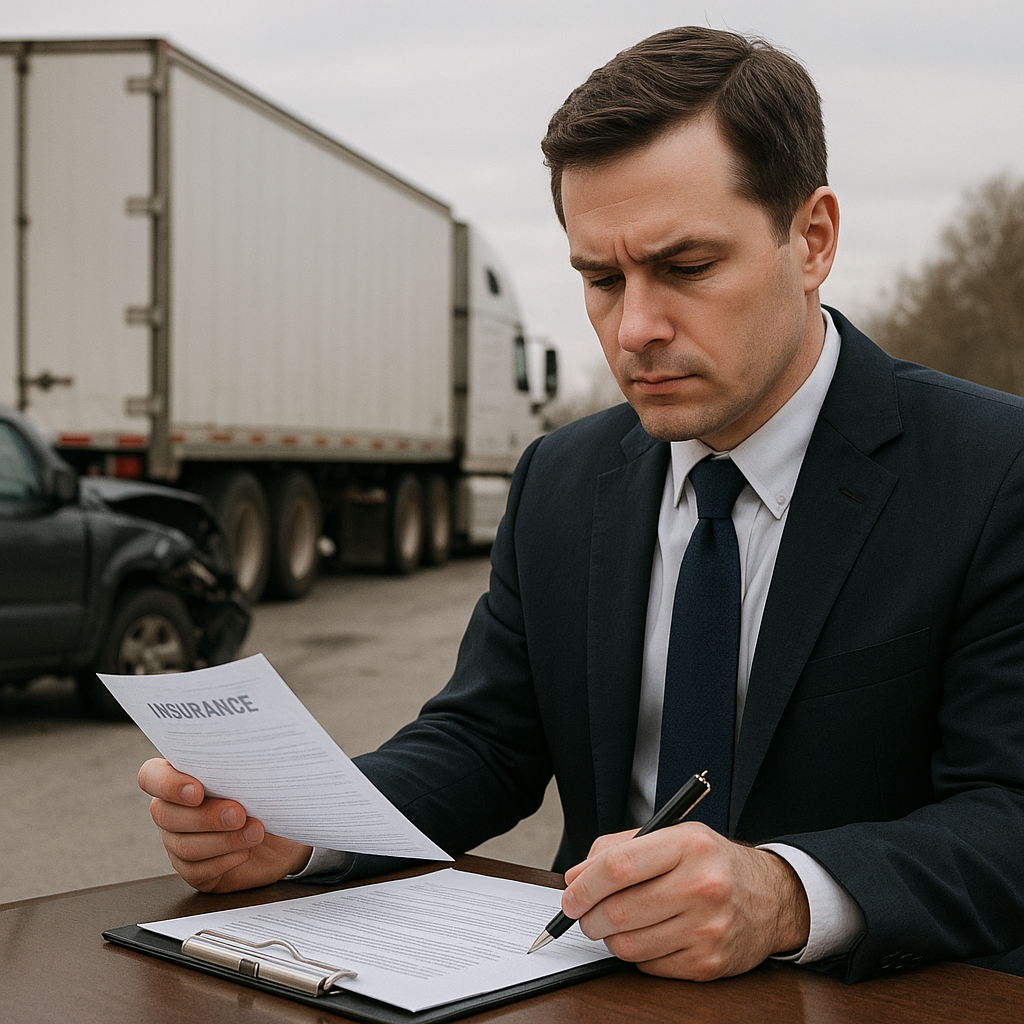
How lawyers evaluate insurance policy limits in truck accident cases
Introduction to choosing or working with a truck accident lawyer
In truck accident claims, insurance often sets the practical boundaries of what compensation may be available. One early step many attorneys take is evaluating insurance policy limits—meaning the maximum amount an insurer may pay under a specific policy. Understanding how a policy limits truck accident lawyer approaches this issue can help people know what questions to ask and what to expect during the case review.
What this aspect means for someone considering legal representation
Policy limits can affect planning, timelines, and negotiations. They do not automatically determine the value of a case, but they can influence how a claim is approached—especially when multiple parties or insurance policies may be involved.
What people often look for or expect in this situation
People commonly expect a lawyer to quickly confirm “how much insurance is available.” In truck cases, that answer can be more complex than in a typical car accident. Coverage may involve the truck driver, the trucking company, a trailer owner, a cargo or loading company, or other contractors. A lawyer may look for:
– Which entities are potentially responsible
– What insurance policies apply (primary, excess/umbrella, and others)
– Whether coverage limits differ by vehicle, driver, or type of operation
How this factor can influence the overall legal process
Insurance information can shape decisions about:
– Which parties are included in the claim or lawsuit
– Whether additional investigation is needed to identify all applicable coverage
– How settlement discussions are paced, especially if insurers dispute coverage or delay providing policy details
What the experience may look like when working with a lawyer
During intake and early investigation, a lawyer often requests insurance disclosures, reviews crash reports, and identifies all potentially involved companies. They may also examine contracts between companies (for example, who was responsible for the load) because those agreements can affect which insurer responds. If limits are unclear, attorneys may use formal information requests during litigation to confirm the full coverage picture.
Common misunderstandings or concerns about hiring a lawyer
A frequent misunderstanding is that policy limits are always easy to obtain immediately. In reality, insurers may provide partial information, or there may be disputes about which policy applies. Another concern is assuming that having “high limits” means payment is automatic; insurers may still contest fault, damages, or coverage.
General considerations when deciding whether to seek legal representation
People often consider how complex the trucking setup appears, whether multiple parties may share responsibility, and whether injuries or losses are significant enough to justify a deeper insurance review. It can also help to ask how the lawyer identifies all possible policies and how updates are communicated.
Closing informational summary (neutral, practical, and reassuring)
Evaluating policy limits in truck accident cases is typically a step-by-step process: identifying responsible parties, locating all applicable policies, and confirming how coverage applies. Because trucking operations vary, insurance structures can differ case to case. A clear explanation of what is known, what is still being verified, and what documents support it can help clients better understand the path forward.