
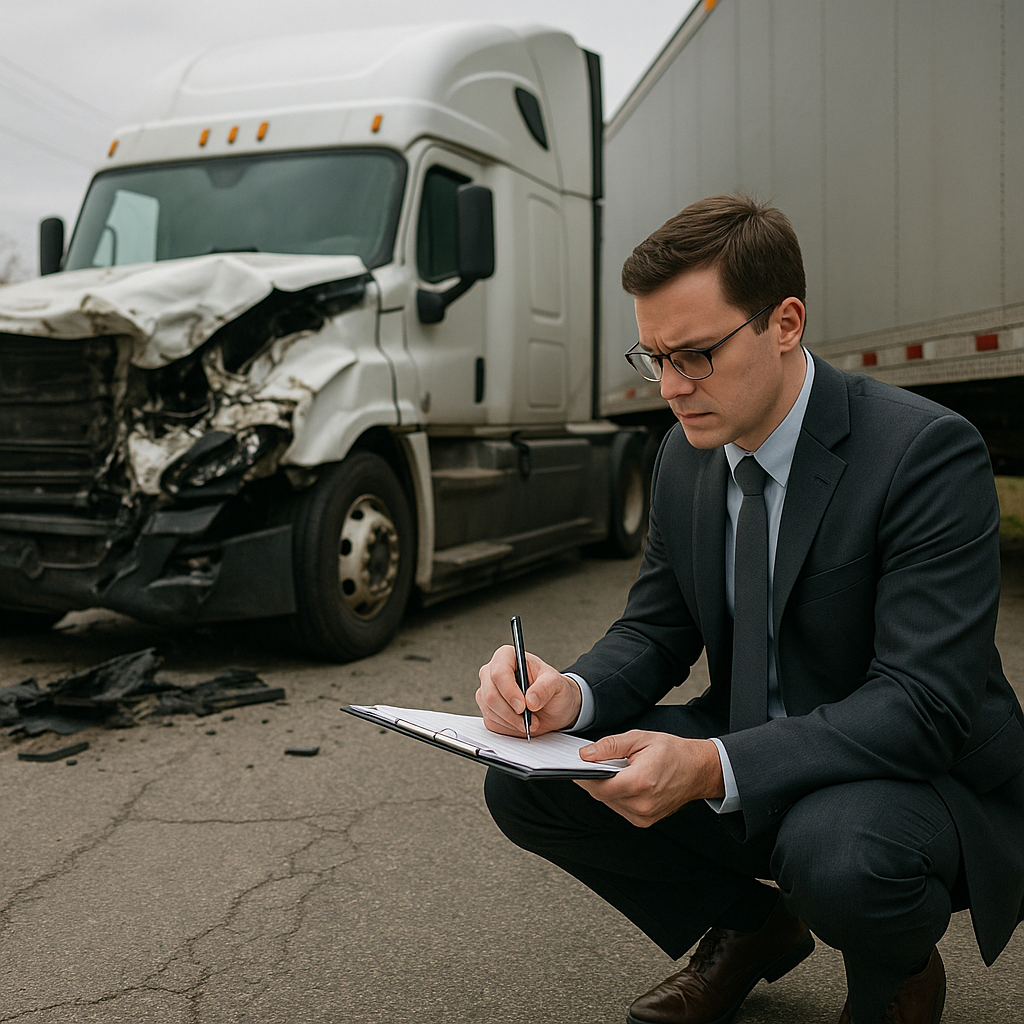
How lawyers gather evidence in truck accident cases
Introduction to choosing or working with a truck accident lawyer
Truck accident claims often involve more moving parts than typical car crashes, including commercial insurance, federal or state safety rules, and multiple potentially responsible parties. When people consider working with a lawyer, one practical question is how the lawyer will gather evidence truck accident lawyer teams typically rely on to understand what happened and document losses.
What this aspect means for someone considering legal representation
Evidence collection is usually time-sensitive. Some records may be overwritten, vehicles repaired, or witnesses harder to find as time passes. Understanding how evidence is gathered can help set realistic expectations about timelines, communication, and what information you may need to provide.
What people often look for or expect in this situation
People often expect a lawyer to:
– Identify which documents and data matter (and where they come from)
– Request records from trucking companies, insurers, and third parties
– Preserve key materials early (for example, by sending preservation letters)
– Explain what’s missing, what’s available, and why it matters
How this factor can influence the overall legal process
Strong documentation can affect how quickly a claim is evaluated, whether disputes arise about fault, and how damages are calculated. If crucial evidence is unavailable, the process may involve additional investigation steps or rely more heavily on indirect proof (like photos, medical records, or witness statements).
What the experience may look like when working with a lawyer
A typical evidence-gathering process may include collecting the police report, photos/video, 911 records, and witness interviews. In truck cases, lawyers often seek driver logs, dispatch instructions, maintenance and inspection records, cargo loading documents, and company safety policies. They may also request electronic data such as “black box”/event data recorder information, GPS history, and in-cab camera footage. When appropriate, an accident reconstruction specialist may be consulted to interpret measurements, vehicle damage, and roadway evidence.
Common misunderstandings or concerns about hiring a lawyer
A common misunderstanding is that all evidence is automatically preserved. In reality, some electronic data and video can be routinely overwritten. Another concern is privacy: clients may wonder what medical or employment records are needed. Usually, requests are narrowed to materials relevant to the claim, but the scope can vary by case.
General considerations when deciding whether to seek legal representation
Consider how complex the situation is (serious injuries, multiple vehicles, commercial trucking involvement, or unclear fault). Also consider whether you feel comfortable organizing records, communicating with insurers, and tracking deadlines on your own. Every case differs, so the amount of investigation required can vary widely.
Closing informational summary (neutral, practical, and reassuring)
In truck accident cases, evidence gathering often combines standard crash documentation with trucking-specific records and electronic data. Knowing what may be collected—and that timing can matter—can help you evaluate what working with a lawyer might look like and what information you may be asked to share.