
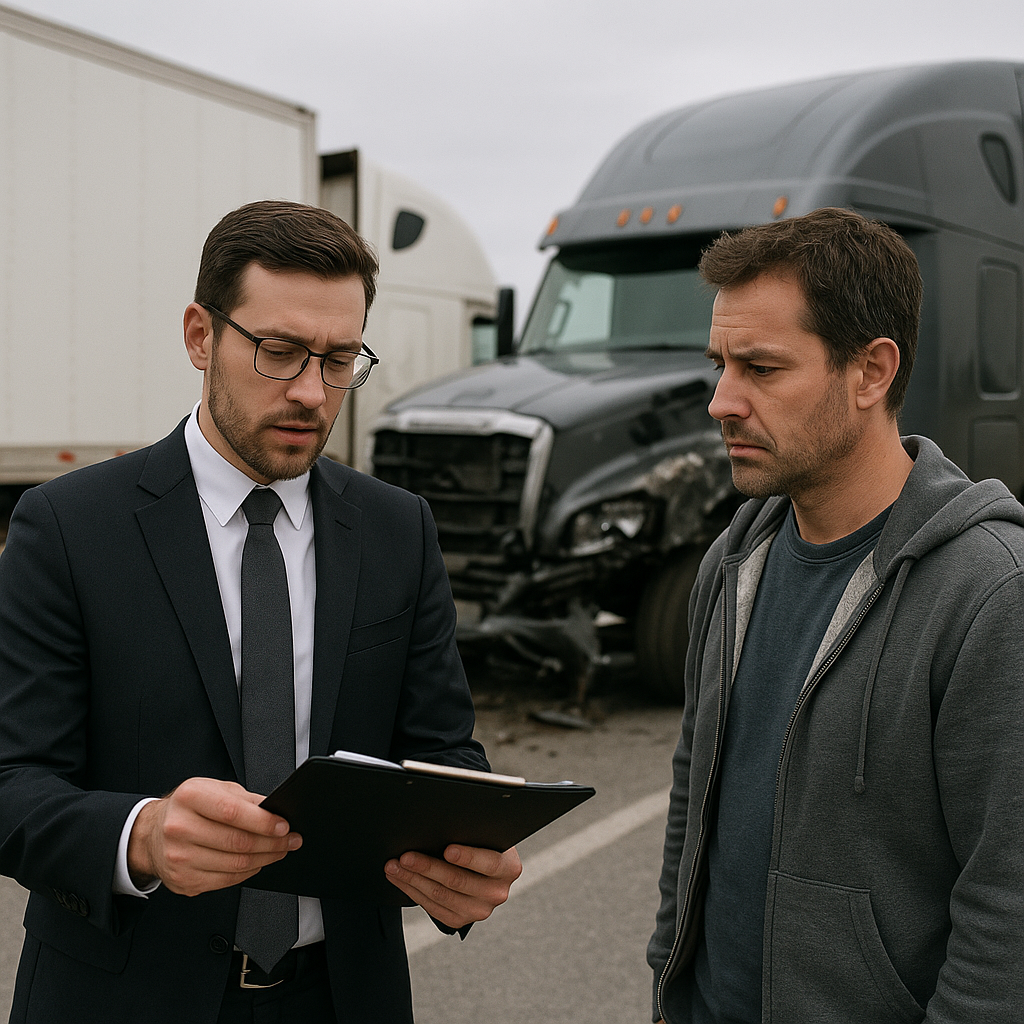
How lawyers guide clients through complex truck accident claims
Introduction to choosing or working with a truck accident lawyer
Truck accident cases can involve more moving parts than typical car crashes, including commercial insurance policies, company records, and multiple potentially responsible parties. A complex claims truck accident lawyer is often described as someone who helps clients understand what information matters, what steps may happen next, and how claims are commonly handled in the trucking context. Every situation differs, but the overall goal is usually to bring structure to a process that can feel unfamiliar.
What this aspect means for someone considering legal representation
Working with a lawyer in a truck accident claim often means having a dedicated point of contact to coordinate information, communicate with insurers, and explain options in plain language.
What people often look for or expect in this situation
People often expect:
– A clear overview of timelines, paperwork, and typical stages of a claim
– Help gathering and organizing documents (medical records, wage information, repair estimates)
– Communication support when insurers or other parties request statements or records
– Basic explanations of key concepts such as “liability” (who may be legally responsible) and “damages” (losses claimed)
How this factor can influence the overall legal process
Organization and early fact-gathering can affect how efficiently a claim moves. In truck cases, this may include identifying which entities are involved (driver, trucking company, maintenance contractor, broker/shipper) and what insurance coverage may apply. A lawyer may also help manage deadlines and reduce inconsistent communication that can create confusion later.
What the experience may look like when working with a lawyer
Clients commonly start with an intake conversation about what happened and what documentation exists. The lawyer may then request records, review crash reports, and send preservation letters to help prevent relevant evidence from being lost (for example, driver logs or vehicle data, when available). Negotiations with insurers may follow, and if a case is filed in court, clients may be guided through steps like written questions (interrogatories) or depositions (recorded testimony). Updates and expectations often vary by firm and jurisdiction.
Common misunderstandings or concerns about hiring a lawyer
Some people worry they will lose control of decisions. In practice, clients typically choose whether to accept a settlement or continue pursuing a claim, while the lawyer handles process and communication. Another concern is timing—waiting too long can make records harder to obtain—though the right timing depends on the circumstances.
General considerations when deciding whether to seek legal representation
Consider the severity of injuries, the number of involved parties, disputed fault, and the volume of insurance communication. It can also help to ask how fees are structured, how often updates are provided, and who will be the day-to-day contact.
Closing informational summary (neutral, practical, and reassuring)
Truck accident claims can be complex due to commercial regulations, multiple entities, and layered insurance coverage. A lawyer’s role is often to clarify the process, organize evidence, and communicate with other parties while the client focuses on recovery and documentation. Because facts and local rules differ, experiences and outcomes can vary from case to case.