
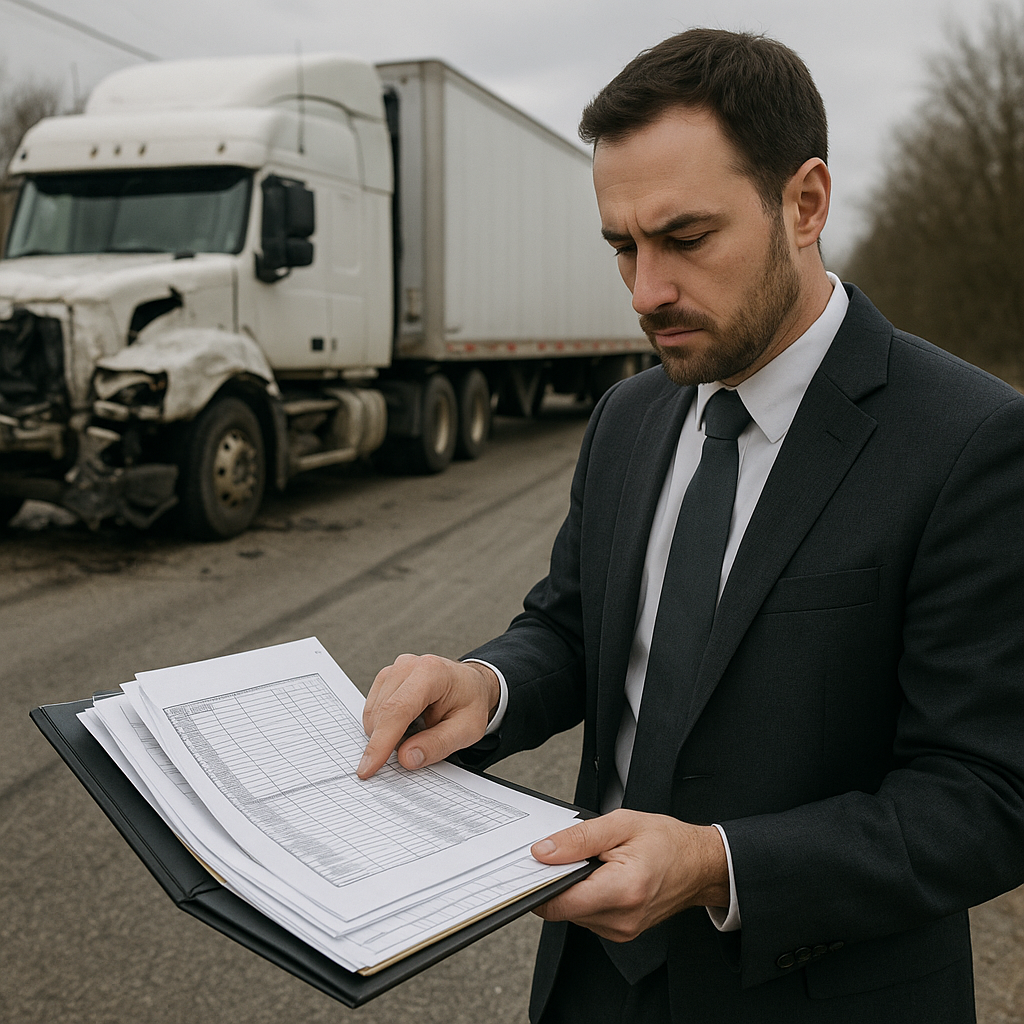
How lawyers handle trucking company records in accident cases
Introduction to choosing or working with a truck accident lawyer
After a crash involving a commercial truck, people often learn that much of what explains how and why the collision happened may be found in company documentation. A trucking records truck accident lawyer typically focuses on locating, requesting, and organizing these materials so they can be reviewed alongside police reports, photos, medical records, and witness statements.
What this aspect means for someone considering legal representation
Trucking company records can be detailed and time-sensitive. Understanding how a lawyer approaches them can help you evaluate what working together may involve.
What people often look for or expect in this situation
Many people expect a lawyer to:
– Identify which records matter (not just “everything”)
– Request records promptly and in a traceable way
– Explain, in plain language, what documents show and what they do not
– Handle back-and-forth with insurers or company representatives about producing records
How this factor can influence the overall legal process
Records can affect timelines and the clarity of fault or damages questions. If documents are incomplete, disputed, or delayed, the process may take longer. If records are produced quickly and are consistent with other evidence, the evaluation of the claim may move more efficiently. Outcomes still depend on many factors, including the specific facts and applicable law.
What the experience may look like when working with a lawyer
A truck accident lawyer may start by sending a “preservation letter,” which is a notice asking the trucking company to keep relevant materials from being lost or overwritten. The lawyer may then request specific categories such as driver qualification files, maintenance and inspection logs, dispatch and routing information, cargo/weight documents, and electronic data (for example, “black box” or electronic logging device data). Clients are often asked for crash details, medical updates, and any documents they already have, while the lawyer tracks what has been requested and what has been received.
Common misunderstandings or concerns about hiring a lawyer
A common concern is that records are automatically available. In practice, access may require formal requests and, sometimes, court-supervised steps. Another misunderstanding is that a single record “proves” everything; records can be incomplete or require context to interpret. People also worry about privacy—lawyers generally focus on records tied to the crash and legal issues, not unrelated personal information.
General considerations when deciding whether to seek legal representation
When comparing options, it may help to ask how the lawyer handles trucking records: what they typically request, how they track deadlines, how they explain documents to clients, and how they address missing or disputed materials. Communication style and clarity can matter as much as technical steps.
Closing informational summary (neutral, practical, and reassuring)
Trucking company documentation can play an important role in understanding a crash, but the process of identifying, preserving, and reviewing records varies by case. Working with a lawyer often means having someone manage requests, organize information, and explain how records fit with the rest of the evidence, while recognizing that timelines and availability can differ from one situation to another.