
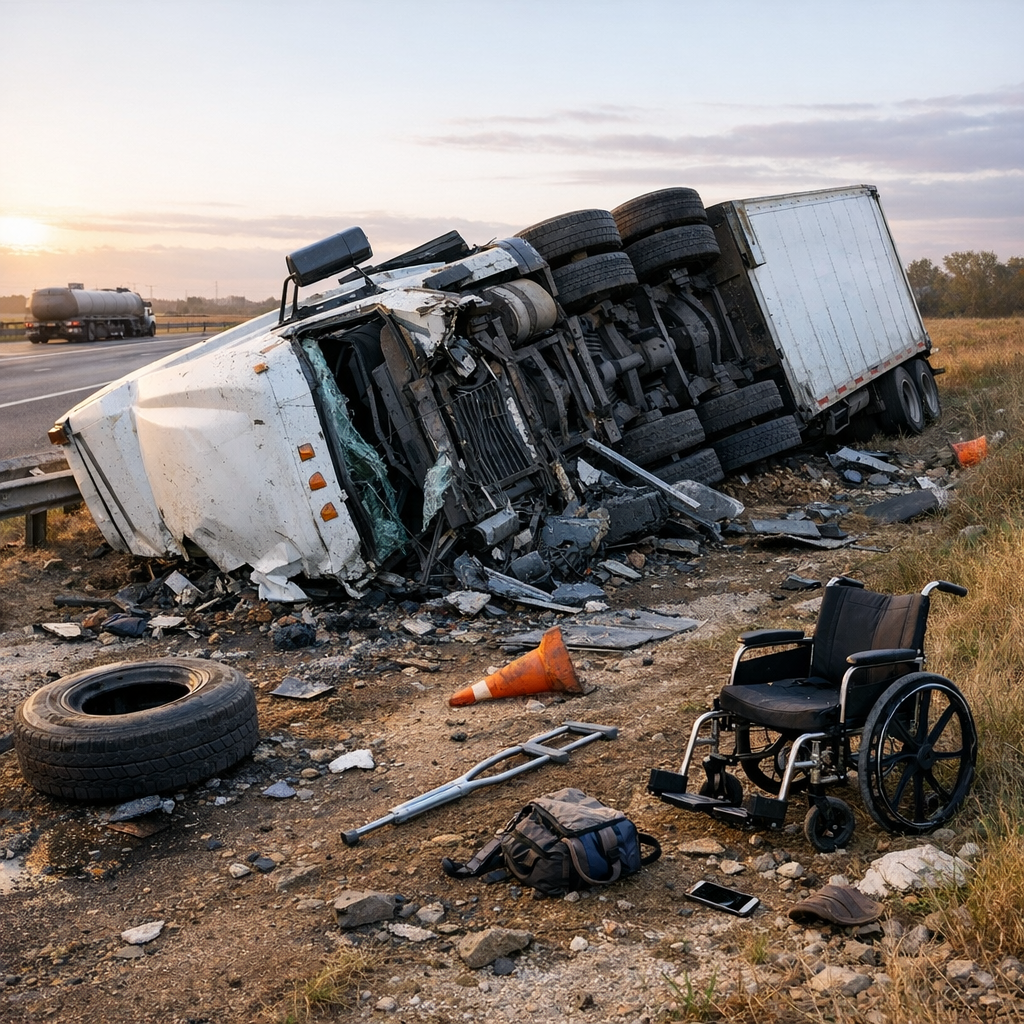
Life altering injuries from truck rollovers
The profound outcome of rollover life changing injuries
A truck rollover is a violent and unpredictable event, often resulting in serious or even catastrophic injuries. When a large commercial vehicle flips onto its side or roof, the forces involved can have devastating consequences for those inside. Life altering injuries sustained in these crashes can include spinal cord damage, brain trauma, limb loss, and other complex medical conditions. Recovery is often incomplete, and the physical, emotional, and social effects reach far beyond the initial accident scene.
The magnitude of a truck rollover can mean that injuries from such events are not just severe but can result in long-term or permanent disability. The combination of vehicle size, cargo weight, and rotational movement during a rollover amplifies the risk of harm. Survivors may face a dramatically altered reality, one in which mobility, independence, and even identity can be challenged on a daily basis. For many, the experience marks a clear before and after, fundamentally changing life’s trajectory in an instant.
How life altering injuries change the daily experience
Adjusting to life after a rollover often involves significant physical limitations and ongoing medical needs. Spinal cord injuries, for example, can result in partial or total paralysis, affecting mobility and requiring the use of a wheelchair or assistive devices. Traumatic brain injuries may bring changes to cognition, memory, and personality, sometimes making routine tasks and interpersonal interactions more difficult.
Other physical effects from rollovers, such as orthopedic injuries or amputations, can demand repeated surgeries, prosthetics, and extensive rehabilitation. Everyday activities—getting out of bed, preparing meals, commuting, or even engaging in conversation—can become far more challenging. The unpredictability of symptoms, pain management concerns, and the need for regular therapy appointments play a central role in daily routines. Many find that previously simple tasks now require creative problem-solving or assistance from others.
Over time, long-term medical requirements shape the structure of each day. Medication schedules, ongoing treatment plans, and adapting one’s living environment may all become permanent features. The need to relearn basic skills or to adapt to new ways of accomplishing everyday activities can take months or years, with some abilities never returning to previous levels. Adaptation is an ongoing process that evolves as conditions change and needs shift with age or further recovery.
Common personal and practical concerns following a rollover
Personal independence often becomes a central concern after a life changing injury from a truck rollover. The ability to live without assistance, maintain employment, or carry out family and social roles may be reduced or lost entirely. Some face barriers to returning to work, especially if previous roles were physically demanding or required driving. Learning new job skills or seeking alternative careers may become necessary, sometimes triggering financial strain.
Social concerns are often just as significant as physical ones. Relationships may evolve as friends, family members, and spouses adjust to changed roles and responsibilities. Feelings of isolation, frustration, or stigma are common as individuals confront societal attitudes toward disability and visible injuries. Participating in community life, attending events, or traveling may require careful planning and support.
Mental health can also be affected by the changes brought about by a rollover injury. Adjusting to a different body or identity, managing ongoing pain, and negotiating loss can contribute to depression, anxiety, or post-traumatic stress. Some find it difficult to discuss their injuries or to seek out meaningful social connections, compounding feelings of isolation.
Practical concerns emerge regarding access to necessary services and accommodations. This may include securing accessible transportation, retrofitting homes for mobility, or navigating insurance and healthcare logistics. Each of these challenges can be complex and resource-intensive, adding additional stress to everyday life.
Informational context on the long-term outlook after truck rollovers
The aftermath of a rollover life changing injury is multi-faceted, impacting nearly every aspect of day-to-day reality. Advances in medicine and rehabilitation have improved the range of resources and support available, allowing many to reach new forms of stability and independence even after serious trauma. The process of adaptation may involve ongoing adjustment to both expected and unexpected changes in health, lifestyle, and relationships.
Legal, financial, and healthcare systems provide structures meant to address some of the needs arising from these injuries, though requirements and resources vary widely. Individuals and families often rely on networks of support, including rehabilitation specialists, peer groups, and community resources. Long-term planning becomes a necessary part of life, helping to anticipate future needs and challenges as circumstances evolve.
Life after a truck rollover injury is complex and unique to each individual. While the specific experiences and outcomes vary, the overall impact on personal, professional, and social life can be profound and enduring. The journey often involves adjusting to new realities, maintaining flexibility, and finding ways to manage ongoing change. Understanding the broad effects of these injuries helps to foster a nuanced perspective on the lived experiences of survivors and the significant adjustments required in the wake of a rollover.