
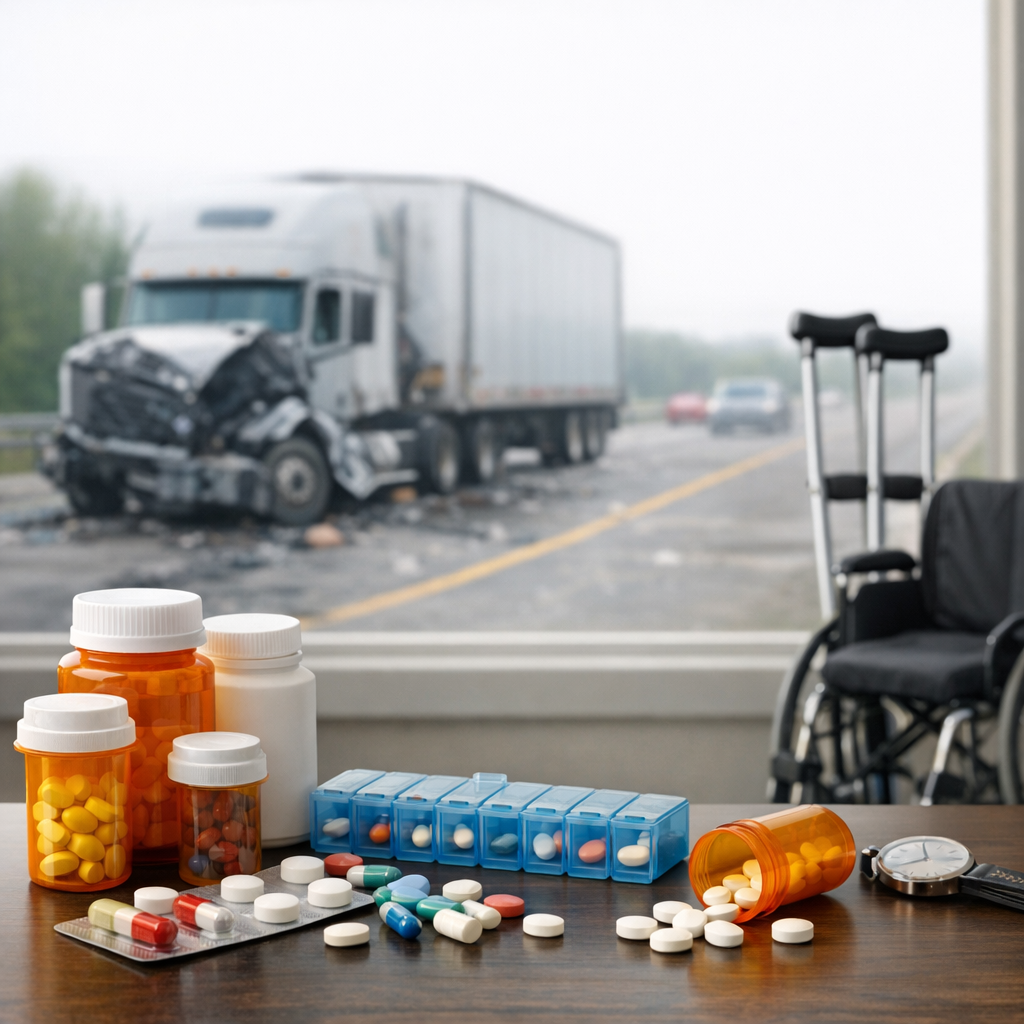
Long Term Medication Dependence After Catastrophic Truck Injury
Understanding Long Term Medication Dependence
Catastrophic injuries resulting from truck accidents often lead to complex, ongoing medical requirements. Individuals who endure such trauma frequently experience a prolonged need for prescription medications. This extended dependence is typically guided by the severity of the injury, persistent symptoms, and the necessity of managing pain, mobility, and other bodily functions. In many instances, the reliance on medication continues for years, sometimes throughout a person’s lifetime.
Catastrophic injuries may include spinal cord damage, traumatic brain injuries, multiple fractures, or amputations. These conditions often introduce symptoms that require careful pharmaceutical management, such as chronic pain, muscle spasms, nerve pain, and mental health changes. Catastrophic injury medication serves to alleviate symptoms enough to enable an individual to participate in daily activities, prevent complications, and maintain their highest possible quality of life.
Long term medication dependence refers to the consistent and sustained use of one or more pharmaceutical drugs. This may encompass pain relievers, muscle relaxants, anticonvulsants, antidepressants, and sleep aids. The medication regimen tends to evolve in response to ongoing assessment by healthcare providers, changes in symptom patterns, and the development of side effects or new medical concerns.
Impact on Daily Life Over Time
The experience of long term medication use after a catastrophic truck injury is multifaceted. Consistent dosing schedules become part of daily routine, sometimes involving several medications taken at different intervals. Individuals may need to coordinate multiple prescriptions, renewals, and interactions with pharmacies and healthcare professionals.
Physical effects of catastrophic injury medication can shape daily life in notable ways. For example, some pain medications may cause drowsiness, affect cognitive function, or disrupt coordination. Adjusting to these side effects might require modifications to daily tasks or limit participation in certain activities. Medications for nerve pain or muscle spasms can introduce changes in energy levels and increase susceptibility to gastrointestinal symptoms.
Over time, the body may adapt to some medications, changing their effectiveness. This adaptation can sometimes result in a need for higher doses, alternative drugs, or adjunct therapies. The impact of long term medication dependence can extend to meal timing, sleep routines, and hydration habits, as many medications must be taken with food or at specific times for optimal benefit and reduced side effects.
Daily life is also influenced by the need for ongoing medical oversight. Regular check-ins with healthcare providers are common, involving assessments of medication effectiveness, side effects, and potential interactions. Blood tests or other monitoring may be necessary to ensure the safe use of certain drugs. For individuals with limited mobility following catastrophic injuries, traveling to appointments or managing remote monitoring can present additional logistical challenges.
Common Concerns Related to Medication Dependence
Sustained use of catastrophic injury medication raises practical and personal concerns that are commonly discussed among those affected. One common subject is the potential for side effects, which may evolve or intensify with long term use. Some medications used for pain management, such as opioids, carry a recognized risk of physical dependence or tolerance, leading to vigilant medical oversight.
Another concern relates to the balance between alleviating symptoms and managing adverse effects. Some individuals express worry about cognitive or psychological impacts stemming from medications, particularly with drugs affecting the central nervous system. Over time, adjustments to prescriptions or dosages may aim to minimize these concerns, but the process can be complex and require ongoing evaluation.
Interactions between multiple medications are another important consideration in catastrophic injury cases. Given the likelihood of polypharmacy, there is heightened attention paid to how drugs may interact with each other and with any supplements or over-the-counter therapies. These interactions can influence both the effectiveness of medications and the risk profile for side effects.
Long term medication dependence can also have implications for independence and social participation. Certain medications may restrict the ability to drive, operate machinery, or perform tasks requiring full alertness. Restrictions associated with medication use can shape decisions about work, recreation, and travel, potentially influencing overall lifestyle pacing and engagement with others.
An additional area of concern involves access and affordability. Managing multiple, long term prescriptions can be financially burdensome, especially if insurance coverage is limited, or if certain drugs require approval or have supply challenges. Individuals managing catastrophic injury medication regimens may encounter bureaucratic or logistical barriers in acquiring ongoing prescriptions.
Informational Summary
Long term medication dependence is a frequent aspect of life following a catastrophic injury sustained in a truck accident. This dependence involves ongoing use of prescription medications to manage complex symptoms and support day-to-day functioning. The practical effects span daily routines, physical and cognitive functioning, and ongoing engagement with healthcare systems. While medication is a critical component of symptom management, it introduces an array of considerations including side effects, interactions, and logistical planning.
Awareness of these factors contributes to an informed understanding of long term medication use after catastrophic injury. Each individual’s experience is unique, reflecting the nature of their injuries, overall health profile, and the evolving course of treatment. The process includes regular communication with healthcare providers, routine reassessment of medication needs, and adjustments to support safety and quality of life.
Understanding the realities of catastrophic injury medication dependence invites a neutral recognition of its challenges and its role in enabling post-injury adaptation. The ongoing nature of pharmaceutical management underscores the importance of continual monitoring, consideration of individualized needs, and practical planning for the future. In turn, this knowledge can foster constructive dialogue and decision-making among patients, care teams, and support networks as they navigate the long term effects of catastrophic injuries.