
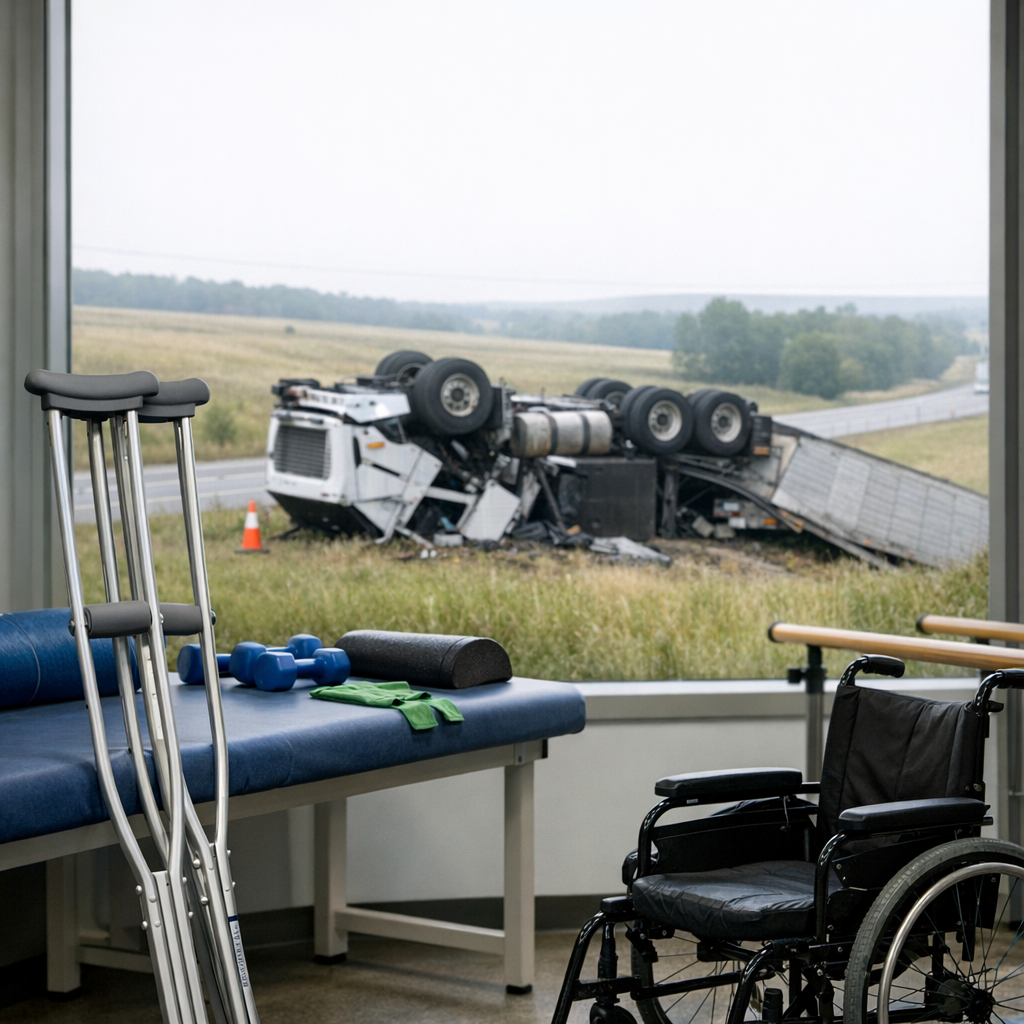
Long Term Rehabilitation After Truck Rollover Injuries
Overview of Rehabilitation Outcomes Following Rollover Injuries
Long term rehabilitation after truck rollover injuries often involves multiple stages and evolving needs. Truck rollovers are commonly linked with complex trauma, which can affect the musculoskeletal system, neurological function, and psychological well-being. The primary goal of rollover rehabilitation is to help individuals navigate functional recovery and adjust to lasting challenges.
Due to the intense forces involved in rollovers, injuries can include fractures, spinal cord damage, traumatic brain injuries, and soft tissue trauma. The rehabilitation process is generally coordinated by multidisciplinary teams, utilizing physical therapy, occupational therapy, psychological support, and continuing medical oversight. Over time, the outcomes of rehabilitation reflect not just the initial severity of injury, but also the progression of healing, adaptation to changes, and development of new coping strategies.
Impact on Daily Functioning and Quality of Life
Physical Effects on Mobility and Independence
Truck rollover injuries often result in mobility limitations ranging from mild stiffness to partial or complete loss of movement. Physiological changes, such as chronic pain, muscle weakness, and joint stiffness, can persist for months or years. These physical effects may alter how individuals perform routine activities, including self-care, household tasks, and work-related duties.
Adaptive devices, home modifications, and ongoing therapy sessions become central components for many, influencing daily routines. Rehabilitation seeks to maximize remaining function, although some degree of physical limitation may be a lasting outcome.
Cognitive and Emotional Changes Over Time
Some individuals experience cognitive challenges, especially following head or brain trauma. Memory difficulties, reduced attention spans, or slower information processing may interfere with daily decision-making and social interactions. Emotional adjustment can also be significant, with evolving feelings of frustration, anxiety, or depression, particularly as the individual grasps the permanence or extent of their injuries.
The process of adapting to changes in physical and cognitive ability is gradual. Adjustments may involve new ways of approaching tasks, altered relationships, and a shift in personal expectations over time.
Social and Occupational Participation
Truck rollover injuries can lead to temporary or permanent changes in social roles. Limitations in transportation, stamina, or physical capacity influence participation in community events, recreational activities, and vocational pursuits. Many individuals find that returning to work, if possible, may require job modifications or vocational retraining.
Social support networks often play a significant role in ongoing rehabilitation. Changes in social engagement—such as reduced outings or dependency on caregivers—can have an ongoing impact on emotional well-being.
Common Concerns Related to Long Term Rollover Rehabilitation
Uncertainty About Recovery Trajectory
Uncertainty about long term recovery is a common concern among individuals with truck rollover injuries. The variability of rehabilitation timelines can lead to questions about future independence, employment, and overall functional capacity. Fluctuations in progress are typical, with some periods marked by improvements and others by setbacks or plateaus.
Apprehension about the permanence of injuries and the potential for chronic pain or secondary complications is also prevalent.
Chronic Pain and Secondary Health Issues
Chronic pain is a frequent outcome of severe rollover injuries and can be managed but not always eliminated. Prolonged pain may influence sleep, energy levels, and psychological health. In some cases, individuals face additional health risks, such as pressure sores, infections, or decreased cardiovascular fitness, particularly when mobility remains reduced.
These health concerns can require ongoing medical attention and adjustments in daily habits to prevent further complications.
Financial and Practical Implications
Rehabilitation after a truck rollover can carry significant financial implications due to the extended need for therapy, potential loss of income, and costs associated with home or vehicle modifications. Navigating insurance claims, workers’ compensation, and support services often contributes to stress.
The practical logistics of repeated medical appointments, transportation challenges, and coordinating care providers are central considerations for both the injured individual and their support system.
Information on the Rehabilitation Journey
Rollover rehabilitation is a highly individualized process. While the type and severity of injuries drive much of the rehabilitation effort, the journey is also shaped by personal factors such as resilience, family support, and access to resources. The process typically progresses through acute medical care, inpatient or outpatient rehabilitation, and long term follow-up focused on maintaining or enhancing function.
Outcomes vary and can include significant adjustment to new routines, shifts in independence, and changes in personal goals. Rehabilitation goals are centered on maximizing existing abilities, adapting to changes, and fostering participation in meaningful activities as much as possible.
Continuous multidisciplinary support is often necessary, including physical, occupational, and psychological interventions. Ongoing adjustments may be required to address evolving needs over time, including modifications in therapy approaches and support for emotional adaptation.
Family involvement and external support systems frequently play an important role in the adaptation process. Regular assessments and communication with healthcare providers are common features of long term rehabilitation, facilitating monitoring of progress and timely adjustments to care strategies.
Understanding Long Term Rehabilitation Outcomes
The outcomes of long term rehabilitation after truck rollover injuries reflect the complexity of both the initial trauma and the individual’s ongoing adaptation to change. Physical, cognitive, and social challenges may emerge, influencing daily life in multiple and sometimes unpredictable ways. The variability of recovery underscores the importance of an individualized, flexible approach to rehabilitation.
Awareness of common concerns—such as uncertainty about progress, ongoing pain, and practical burdens—fosters a realistic perspective on the rehabilitation process. Over time, adaptation may involve learning new skills, utilizing support networks, and engaging in ongoing self-management strategies.
Long term rehabilitation represents a continuum rather than a fixed endpoint. Through sustained commitment and coordinated support, many individuals achieve meaningful improvements and develop new ways to participate in daily life, despite changes resulting from truck rollover injuries.