
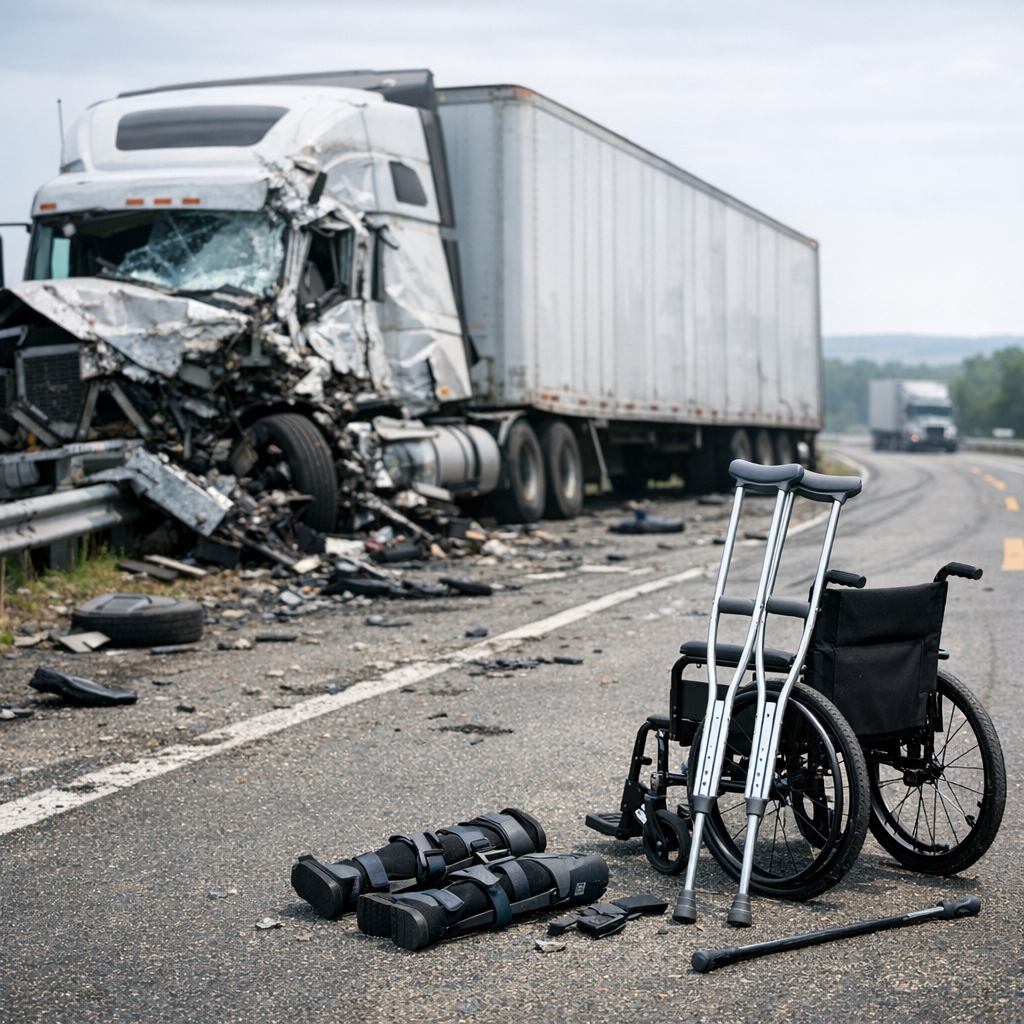
Loss of Function After Catastrophic Truck Injury
Overview of Catastrophic Injury Function Loss
Catastrophic truck injuries occur when collisions or incidents involving large commercial vehicles result in severe, life-altering harm. In many cases, these injuries may immediately or gradually lead to a significant loss of function in one or more areas of the body. Function loss refers to a diminished or absent ability to perform everyday tasks that were previously manageable, such as walking, grasping objects, or even performing basic personal care routines.
The extent and nature of function loss after a truck-related catastrophic injury can vary widely. Depending on the specifics of the incident, affected body systems may include the muscular, skeletal, or neurological systems. For example, spinal cord injuries often lead to partial or total paralysis, while traumatic brain injuries can disrupt both physical coordination and cognitive processes. Amputations, severe fractures, and internal organ damage can also contribute to ongoing disability.
The loss of function is usually evident soon after the injury, but in some cases, secondary complications such as infection, tissue death, or neuropathy may cause further decline in capabilities over time. The level of impact often depends on factors such as the site and severity of the trauma, age, and underlying health conditions.
Impact on Daily Life Over Time
The effects of function loss after a catastrophic truck injury often extend far beyond the initial hospital stay. Many individuals experience a fundamental change in their routines, relationships, and ability to engage with the world around them.
Personal Care and Independence
Individuals who have sustained severe injuries may find that basic personal care tasks such as bathing, dressing, and feeding require significant adaptation. Depending on the degree of loss, some may need assistance from family members, caregivers, or specialized equipment. Independence in self-care can become a daily challenge, impacting confidence and altering established roles within the home environment.
Mobility and Physical Limitations
Mobility is frequently affected by catastrophic injury function loss. People who previously walked without difficulty may depend on wheelchairs, walkers, or prosthetics. Barriers to mobility can reshape how and where individuals live, requiring home modifications like ramps, accessible showers, and widened doorways. Accessing public spaces or traveling can become more complex and may involve careful planning.
Communication and Cognitive Changes
Where injuries include damage to the brain, communication and cognitive abilities may be compromised. Some individuals might experience difficulty speaking, understanding language, or maintaining concentration over time. Tasks such as managing medications, following instructions, or participating in conversations can require ongoing adaptation and patience.
Vocational and Social Adjustments
A catastrophic injury with loss of function frequently reshapes vocational opportunities. Returning to work or previous careers may not be possible for everyone, necessitating retraining or changes in employment status. Social interactions and leisure activities may also shift, as previous hobbies or social networks adapt to new limitations or interests. Community participation and social support can serve essential roles in adapting to such changes.
Common Concerns Following Catastrophic Injury
Experiencing loss of function after a truck accident often raises numerous concerns for individuals and their families. These concerns tend to focus on practical, psychological, and social dimensions.
Functional and Medical Uncertainty
A primary concern involves the uncertainty around future function. The progression of recovery or adaptation can be difficult to predict. Some individuals may undergo cycles of improvement and setback, while others face long-term or permanent disabilities. Management of secondary medical issues, such as chronic pain, infection, and spasticity, also becomes an ongoing aspect of daily health.
Adaptation and Accessibility Challenges
The process of adapting to decreased function takes time and resources. It might involve the acquisition of adaptive devices, the learning of new skills, and the frequent navigation of accessibility barriers in public and private spaces. Access to supportive resources, transportation, and community facilities can affect daily experiences.
Financial and Legal Concerns
Financial implications are significant for many affected by catastrophic injury function loss. Medical bills, lost income, and expenses related to home modifications or personal assistance may create ongoing financial strain. Legal questions can arise regarding insurance, disability benefits, and employment rights.
Emotional and Psychological Well-Being
Living with reduced function can influence psychological well-being. Feelings of frustration, anger, sadness, or isolation are common. Relationships with family and friends may shift, impacting emotional support systems. Individuals and families may seek strategies to maintain mental health while adapting to altered routines and roles.
Informational Close on Catastrophic Injury Function Loss
Loss of function after a catastrophic truck injury introduces profound changes at multiple levels of daily life. Effects may surface immediately or develop over time, often shaping a new landscape of health, independence, and social engagement. The outcome depends on a variety of factors, including the nature of the injury, the body’s response over time, and access to medical and community resources.
Function loss is a complex and highly individualized process. Each experience is influenced by both the specific injuries sustained and the broader context of the individual’s life. Although challenges arise in daily living, adaptation, and long-term planning, resources exist for addressing many of these needs.
This overview illustrates the far-reaching impacts of catastrophic injury function loss following truck accidents. The experience incorporates personal care adaptations, mobility and accessibility considerations, shifting household routines, and adjustments in work and social life. As knowledge in rehabilitation and accessibility advances, understanding of these outcomes continues to develop, offering evolving perspectives on living with and managing loss of function.