
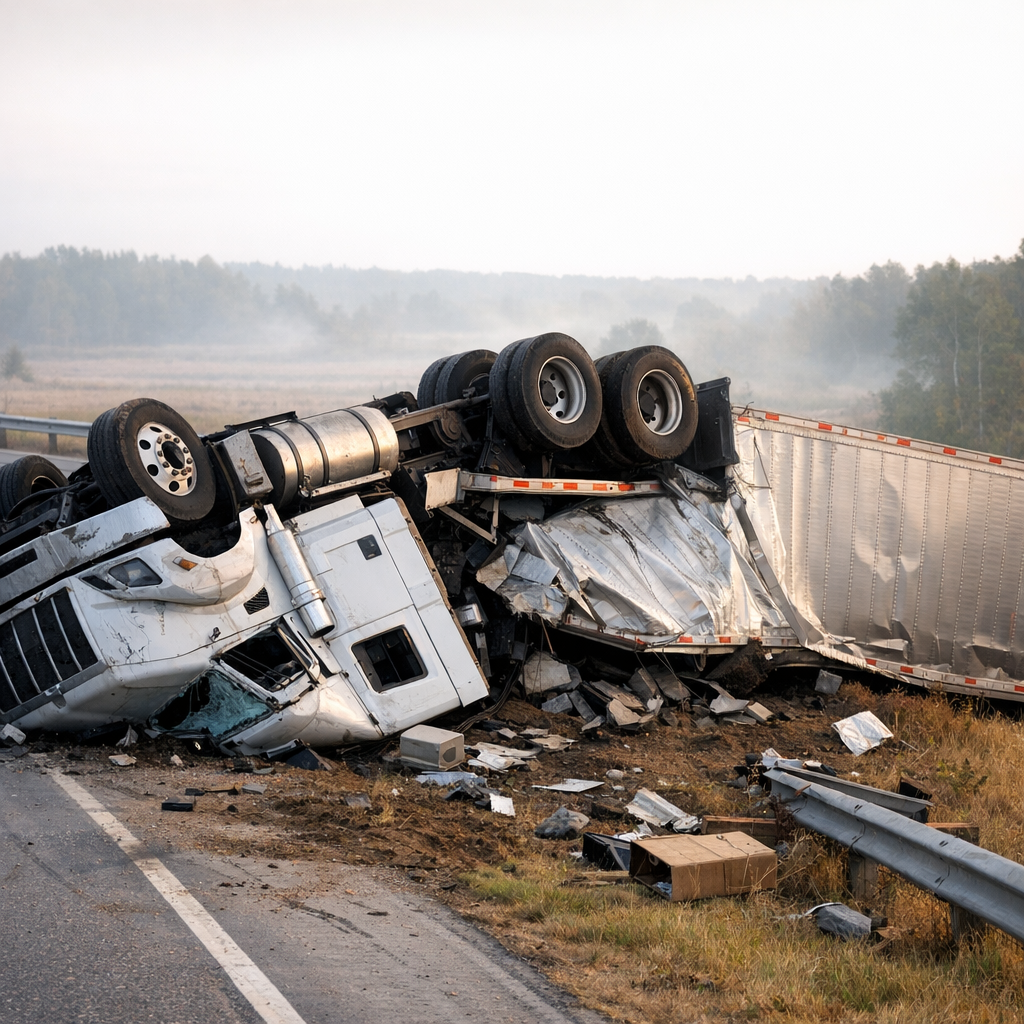
Loss of Life in Truck Rollover Accidents
Truck rollover accidents are a significant concern on highways, often resulting in fatal outcomes. These incidents involve large commercial vehicles, such as semi-trucks or tractor-trailers, overturning during transit. A rollover can occur in different circumstances, such as during sudden maneuvers, sharp turns, or when vehicles encounter unstable surfaces. Sometimes, mechanical failure or load imbalance contributes to the truck’s loss of stability. Regardless of the cause, the consequences are serious and often life-altering.
Understanding the Dynamics of Rollover Crashes
Truck rollovers differ from other types of roadway incidents. Because of the size and weight of these vehicles, forces during a rollover are immense. A fatal truck rollover can occur without significant warning, often leaving little time for other motorists or truck drivers to respond. During a rollover, the cab and trailer can both tip, sometimes coming to rest on their sides or roofs.
Crashes of this magnitude rarely involve just the truck itself. Surrounding vehicles, roadside barriers, and even bystanders can be impacted. The forces unleashed during the rollover can lead to multiple secondary collisions or the blocking of entire highway lanes, further increasing the risk to those nearby.
Factors Contributing to the Severity of Rollovers
Certain conditions make truck rollovers more likely to be fatal or cause severe injury. Trucks carrying heavy or unbalanced loads are particularly vulnerable. The raised center of gravity, especially if cargo is not properly secured, heightens the risk. Environmental factors such as slick roads or strong winds further destabilize large vehicles. High speeds, tight curves, and sudden braking often contribute.
A fatal truck rollover often takes place before any preventative action can be taken. Unlike smaller vehicles, trucks require greater distance to stop, and corrective steering maneuvers may accelerate instability. The size discrepancy between trucks and passenger vehicles means that occupants of smaller cars are at greater risk when involved in rollover events.
The Aftermath of Catastrophic Rollovers
When a truck rollover leads to loss of life, the effects extend beyond the scene. The road closure and investigation can disrupt traffic for hours. Emergency responders must approach carefully, considering both the safety of individuals and the stability of the overturned vehicle and its cargo.
First responders provide immediate care and secure the crash area. The recovery of the truck itself is a complex process, often involving specialized equipment to move heavy vehicles safely and prevent further damage. These efforts are critical in minimizing additional hazards and restoring normal traffic flow.
The Impact on Families and Communities
The aftermath of a fatal truck rollover reaches far beyond the immediate vicinity of the crash. Families of those involved may face sudden and profound changes. Loss of life brings emotional challenges and practical adjustments, from managing daily routines to dealing with the absence of a loved one.
The disruption may be compounded for communities where such incidents occur frequently. Residents may develop a heightened sense of caution in high-risk areas. Local services, including first responders and support organizations, may be called upon more often, stretching already limited resources. Schools, workplaces, and neighborhoods may also feel the effects as community members cope with the loss.
Coping with Sudden Loss and Adjustment Over Time
In the weeks following a fatal truck rollover, families and friends may require time to absorb the realities brought on by the incident. Daily life can be marked by reminders of what has changed. Individuals find their own ways to remember loved ones and re-establish normal routines.
Community support can play a crucial role during this period. Neighbors or local organizations may provide practical help with household tasks or childcare. Schools and workplaces sometimes offer resources for individuals dealing with grief. These small acts help individuals and families navigate this difficult period of transition.
Ongoing Adjustment and Community Response
Over time, communities may take steps to reduce the likelihood of future incidents. This could include road improvements, signage updates, or promoting safety programs for both motorists and commercial drivers. Awareness of the dangers of truck rollovers and the impact of fatal truck rollover events can encourage greater caution and preparedness across the region.
Quiet Reflection
The reality of loss from truck rollover accidents is present each time such an incident occurs. Each fatal truck rollover brings reminders of the value of safe driving practices and the importance of attentiveness on the road. While communities and families may never fully return to a previous sense of normalcy, gradual adjustment and quiet acknowledgment of shared experience lay the foundation for moving forward. The ongoing focus on prevention and preparedness serves as a testament to the lives touched by these tragedies.