
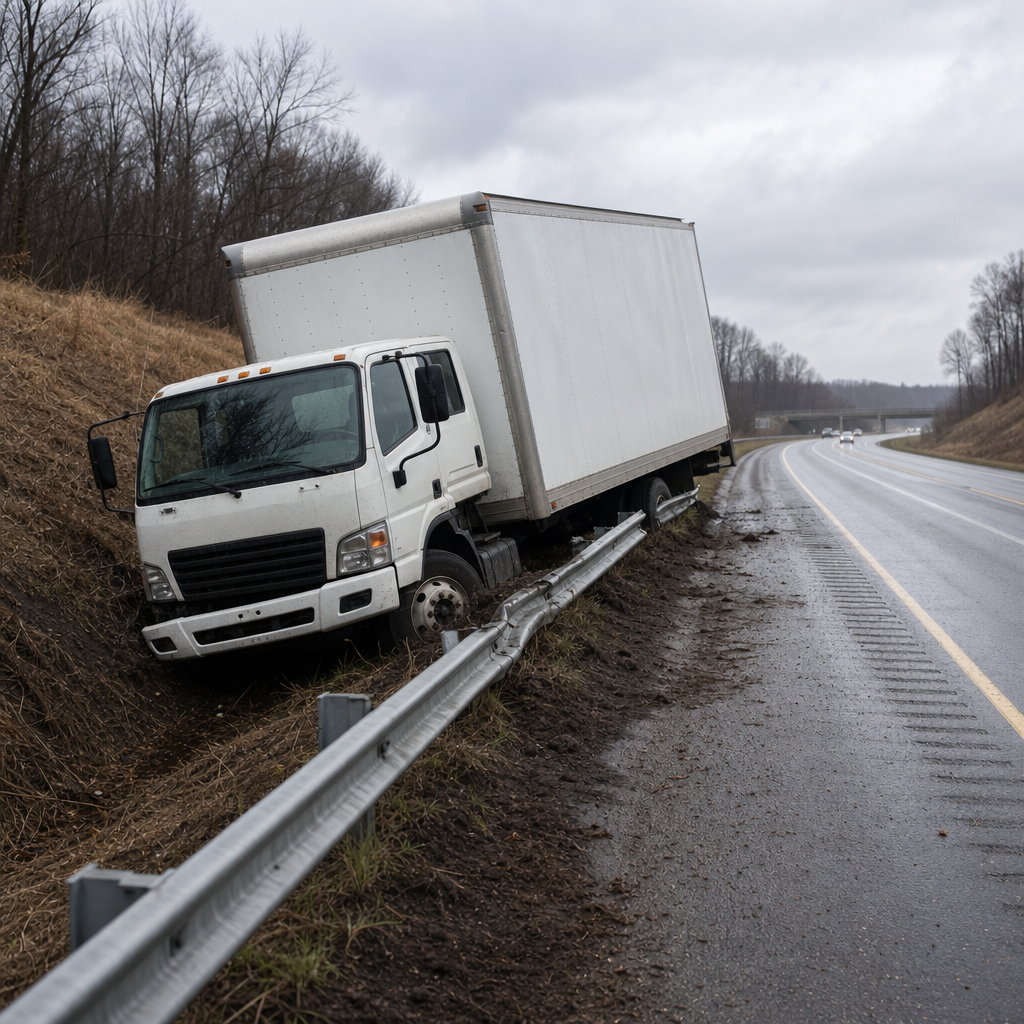
A hot afternoon. Traffic slows on a busy interstate. Horns blare—suddenly, a semi barrels into the cars ahead, and within moments, the day unravels into chaos. Twisted metal, broken glass, and the jagged noise linger in the aftermath. Survivors look around, dazed, searching for familiar faces or some sense of order amid the tangled wreckage.
Immediate Shock and Confusion
Disorientation sweeps over many people after impact. Sirens echo in the distance as some try to process their surroundings. The routine of daily commutes vanishes instantly, replaced by uncertainty and adrenaline. Those close to the collision often sit quietly at first, stunned by the violence of the moment. Some wander among crumpled vehicles, looking for others or checking on strangers, their voices hushed or trembling.
First responders arrive and move quickly through the jumble. The landscape feels surreal. In multi-vehicle crashes, it’s common to see drivers and passengers stepping out, communicating in clipped sentences, eyes fixed on impossible scenes unfolding before them.
Physical Aftermath
Many deal with visible injuries, while others become aware of pain only as the minutes pass. Some people experience difficulty moving, while others escape with only minor scrapes. Emergency crews maneuver stretchers around the cargo-strewn roadway, navigating tight spaces between vehicles.
Sounds of distress mix with the clatter of life-saving equipment. People often sit on road shoulders or inside ambulances, shivering despite heat, as shock takes hold. Some cannot recall how everything happened, replaying flashes of the collision in their minds, trying to stitch together the sequence.
Traffic Chaos and Delays
Gridlock forms, extending for miles in both directions. Stranded motorists peer out windows, many unaware of the full scale ahead. Engines idle while traffic reporters update listeners about extensive closures. Commuters become late for work, school, even family milestones, waiting for the path forward to reappear.
Truck cargo sometimes spills onto the roadway, blocking lanes and complicating cleanup. Towing crews and investigators work under pressure while frustrated travelers scan navigation apps, hoping for news. Conversations among bystanders turn to speculation about what caused such a massive pileup, each story tinged with disbelief.
Emotional and Mental Strain
For some involved, fear lingers long after the wreckage is cleared. Certain sounds—a horn, a siren—can trigger unease. Sleepless nights, anxiety during future drives, and flashes of memory create new daily burdens. Others find themselves fixating on details: a familiar song on the radio, the feel of the steering wheel before impact.
Witnesses, too, carry images home with them. The confusion, the cruelty of chance, and the faces of strangers met in a crisis become part of their own stories. People talk about what happened not only with loved ones but sometimes with those who were there, each voice searching to understand and accept how quickly life can change.
This page is for general informational purposes only. It does not provide legal advice or direction of any kind.