
Permanent Injuries After Truck Rollovers
Truck rollovers are among the most serious types of vehicle accidents, often resulting in significant physical harm. When a truck overturns, the immense weight and force involved frequently lead to injuries that can be both severe and long-lasting. A rollover permanent injury refers to any physical harm acquired during such an accident that has long-term, if not lifelong, effects on a person’s body or capabilities.
While many people recover fully from collisions, truck rollovers increase the likelihood of injuries that do not heal completely. These may involve the brain, spine, limbs, or internal organs. The effects are often profound, extending well beyond the immediate aftermath of the incident. Understanding the outcomes of permanent injuries after truck rollovers is essential for individuals, families, and professionals who interact with or care for those affected.
Physical and Functional Outcomes of Permanent Injuries
Permanent injuries stemming from truck rollovers cover a broad spectrum, depending on which part of the body is affected. Some of the most common outcomes involve traumatic brain injuries, spinal cord damage, amputations, and major orthopedic injuries.
In cases where the head sustains impact, individuals may live with permanent cognitive or neurological impairment. This can include memory loss, slowed thinking, or speech difficulties. When the spine is involved, the results may range from partial to complete paralysis, affecting the lower or even all four limbs. Loss of limbs or digits due to crush injuries is another possible outcome. Severe fractures may heal in a manner that leaves a lasting reduction in mobility or function.
Chronic pain is a frequent companion to these injuries. Nerve damage, scar tissue, and residual tissue inflammation can all contribute to persistent discomfort that requires ongoing management. Some injuries also involve internal organs, potentially resulting in permanent limitations of heart, lung, or kidney function.
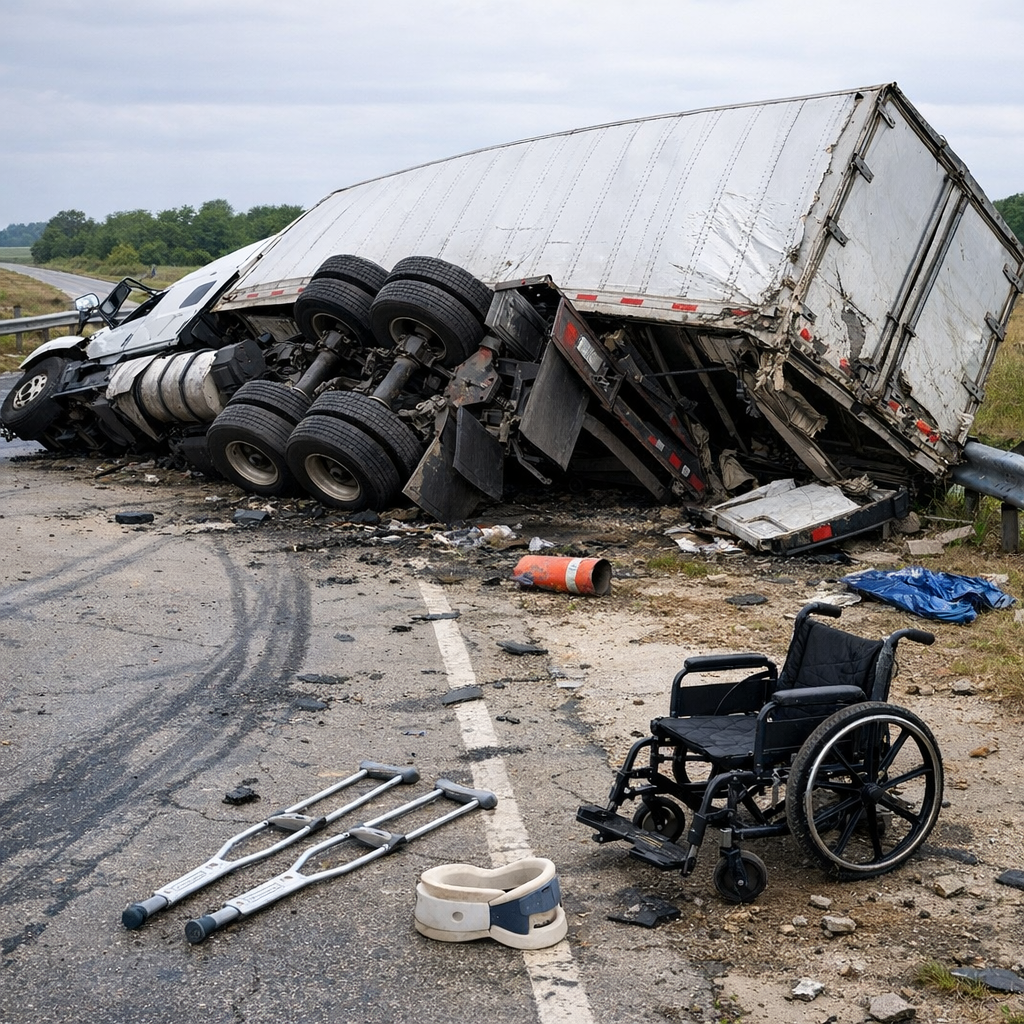
Functional independence often changes following a rollover permanent injury. Daily tasks may become more time-consuming or require support devices, such as wheelchairs, prosthetic limbs, or mobility aids. Personal care routines, recreation, and other activities that require dexterity, movement, or balance may be altered indefinitely.
Long-Term Impact on Daily Life and Routine
The repercussions of a rollover permanent injury extend into all aspects of daily life. Many individuals find that the pattern and structure of their day change significantly over time to accommodate physical and cognitive needs. Activities that once took moments to complete may require careful planning, adaptive equipment, or assistance from others.
Employment is one aspect commonly affected. Depending on the type and severity of the injury, some people may need to shift to different work, reduce their hours, or adapt to a different role, all of which can influence economic stability. In some situations, ongoing rehabilitation or medical appointments become a frequent part of the individual’s routine, affecting scheduling and availability.
Personal relationships may be impacted as roles within families and social groups change. Caregiving responsibilities might increase for loved ones. Social outings and travel can require additional arrangements, and accessibility considerations often take on increased importance.
Physical limitations can also shape recreational choices. Activities such as running, sports, or dancing may not be possible, leading to a search for new hobbies or interests compatible with changed capabilities. Transportation often becomes a matter of planning for accessibility, whether through vehicle modifications, public transport, or lift services.
Over time, adapting to a new way of living with a permanent injury is an ongoing process. Each phase of recovery, rehabilitation, and adjustment can bring about new routines and ways of approaching daily tasks.
Common Challenges and Questions Associated With Permanent Injuries
After a truck rollover, living with a permanent injury raises a number of common concerns and considerations. Many people have questions about the long-term outlook for their abilities. Medical prognoses may be discussed with regularity, and expectations for ongoing changes are a frequent topic.
Ongoing discomfort or pain management represents another significant concern. Understanding options for managing chronic symptoms and exploring what works best for the individual is an ever-present focus. Adjusting to assistive devices or new mobility routines can prompt additional practical challenges.
Financial matters often come to the forefront. Individuals with permanent injuries may explore options such as workplace accommodations, disability documentation, or long-term care needs. Insurance coverage for treatments and support services is commonly reviewed.
Social and psychological questions may also arise. People often consider how new limitations will influence future plans, travel, or family roles. Adapting to visible changes, such as scarring or the use of mobility devices, can be a consideration in public and social settings.
Many individuals look for sources of information and connection, seeking understanding about others’ experiences with similar injuries. Questions about rehabilitation, occupational adjustments, and long-term health needs may persist for years after the initial injury.
Context for Living With Rollover Permanent Injury
Truck rollovers can have profound, enduring effects when they result in permanent injury. The physical and functional outcomes reshape daily routines, personal relationships, and expectations for the future. Over time, people affected by these injuries often find new patterns of living that adapt to their capabilities, drawing on information, resources, and collective experience as needed.
The journey following a rollover permanent injury varies widely between individuals, reflecting unique combinations of injury types, support systems, and personal circumstances. Understanding the likely outcomes and adjusting to new ways of participating in daily life can help create a practical framework for moving forward within changed circumstances.
Living with the ongoing effects of a permanent injury after a truck rollover involves continual adjustment and planning. It often leads to new approaches to familiar tasks, a reassessment of priorities, and a deeper emphasis on adaptation and accessibility in all areas of life. While the challenges are significant, many find routines and solutions that work best for them over time, supported by advances in medical care, technology, and social understanding.