
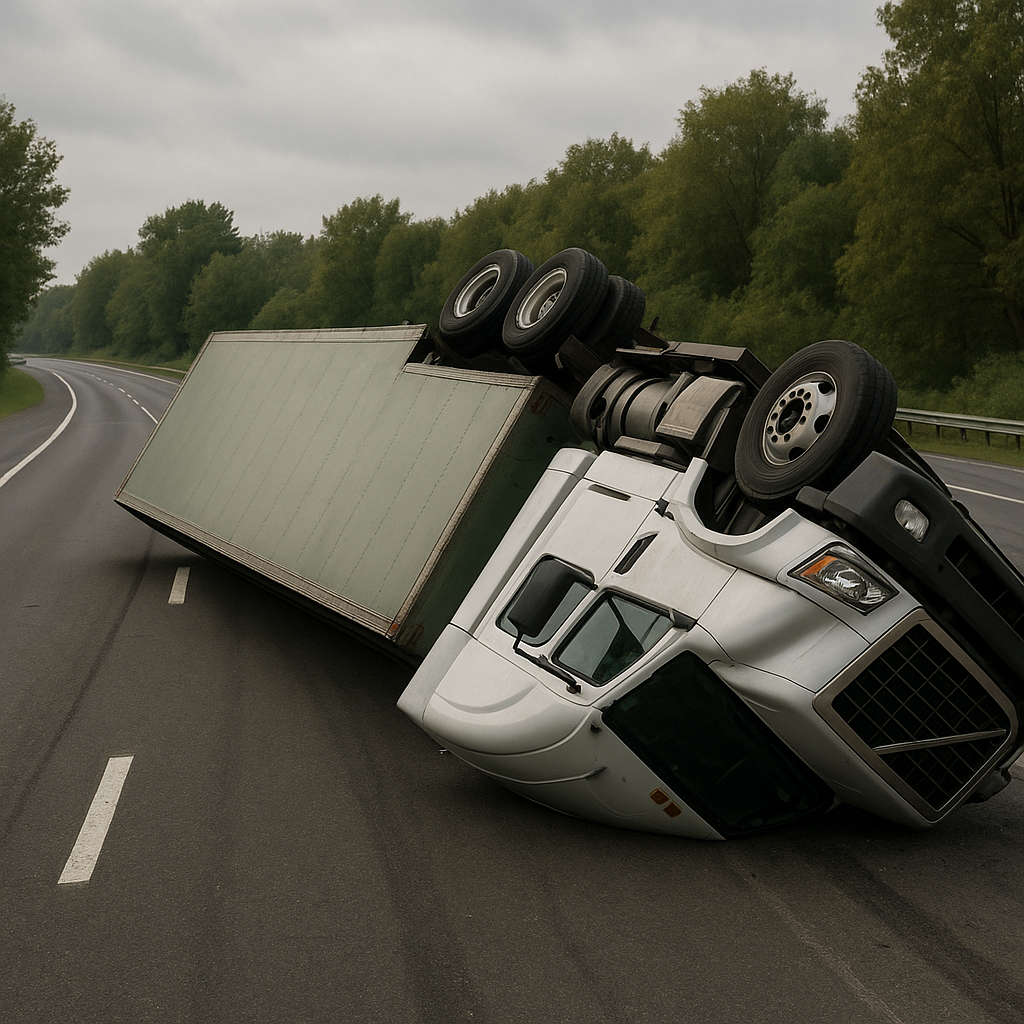
Semi Rolled Over After Sudden Lane Shift
Reasons Behind Questions About Sudden Lane Shift Rollovers
Questions about incidents in which a semi rolled over after a sudden lane shift are common due to the high visibility and seriousness of such accidents. Many drivers have seen or heard about these events on highways and want to understand how they occur. Truck rollovers are often alarming due to the size of the vehicles involved and their potential impact on the surrounding traffic. Drivers of passenger vehicles, commercial truck operators, and even bystanders are naturally curious about the mechanics of such accidents and how typical road situations can lead to a semi rolling over.
People frequently ask about these scenarios because they want to know how such rollovers happen, whether they could happen to any driver, and what factors play the greatest roles. Individuals may also be interested in preventive measures or simply want reassurance about road safety. The widespread nature of highways and the prevalence of large trucks means that understanding the dynamics of “sudden lane shift rollover” incidents feels relevant to many.
Understanding Semi Truck Rollovers During Lane Shifts
When a tractor-trailer or semi suddenly shifts lanes and rolls over, a combination of physics, design, and road conditions is usually responsible. Unlike passenger vehicles, semis have a much higher center of gravity. This means that the force generated during abrupt maneuvers affects them differently.
A sudden lane shift at highway speeds can apply significant lateral (sideways) force on a semi’s trailer. If the driver moves too quickly or unexpectedly, especially if the truck is heavily loaded or improperly balanced, the center of gravity may tip beyond the wheels’ support. This moment is critical, as the trailer may lean excessively and roll onto its side. Empty trailers also pose a risk because they can be more responsive to sharp motions and crosswinds.
Tires play another essential role. Tire grip and inflation levels both matter. Inadequate tire pressure, worn treads, or mismatched pairs can make it harder for a truck to recover after an abrupt steering input. The trailer’s alignment with the cab is also a factor—if the cab moves one way but the trailer resists, the resulting torque can cause unpredictable trailer motion and a potential rollover.
Factors and Conditions Contributing to Lane Shift Incidents
Several subtle or less obvious details influence why a sudden lane shift rollover takes place. Road conditions can vary greatly and impact the result of a sharp maneuver. Rain, ice, uneven pavement, and debris all increase the risk that a sudden change in direction will exceed what the tires can handle, making rollovers more likely. Similarly, the grade of the road and its curvature can catch a driver off guard, contributing to a loss of stability.
Cargo loading is another important factor. The way freight is packed inside the trailer can shift the vehicle’s center of gravity higher or unevenly from side to side. This not only changes how it responds to a steering input, but also how force distributes across the springs and shocks. Unsecured cargo may actually move during a lane change, momentarily correcting or worsening the trailer’s angle, which can result in a rollover.
Another element is the experience and expectations of the driver. Even seasoned operators can face situations where another vehicle cuts into their lane unexpectedly, requiring evasive maneuvers. These split-second decisions sometimes offer no good options, particularly if traffic patterns are complex or unpredictable. Distractions, fatigue, and weather also play a part.
Lastly, the specific design and maintenance of commercial trucks can determine their resilience. Certain suspension systems, load balancing equipment, and even advanced electronic stability controls are designed to mitigate the risk of rollovers, but not all vehicles are equally equipped.
Real-World Context Surrounding These Accidents
It is useful to consider the broader context when looking at sudden lane shift rollover events. There are thousands of semis on the road at any given moment, each carrying different types and amounts of cargo. While rollovers after sudden maneuvers make headlines, they remain rare compared to the millions of miles driven without serious incident.
However, due to the size and mass of these vehicles, even a single rollover can disrupt highways for hours and risk injuries. This leads to increased interest in preventive training and vehicle technology designed to reduce the impact of driver error or unexpected situations.
H6: Factors Making Some Scenarios More Likely Than Others
The likelihood of a rollover after a lane shift can depend on time of day, traffic density, and even regional trucking practices. Areas with frequent merging, high congestion, or sharp highway curves may produce more of these types of incidents.
Summary of Sudden Lane Shift Rollover Dynamics
In summary, a semi rollover after a sudden lane shift is typically the result of complex interactions between vehicle physics, road conditions, cargo considerations, and driving circumstances. Such incidents draw interest because they reflect the unpredictable nature of highways and the unique challenges faced by commercial operators. By understanding the contributing factors, both motorists and those in the trucking industry gain useful perspective on how rare but notable accidents like these can develop and how they fit into the overall landscape of road safety.