
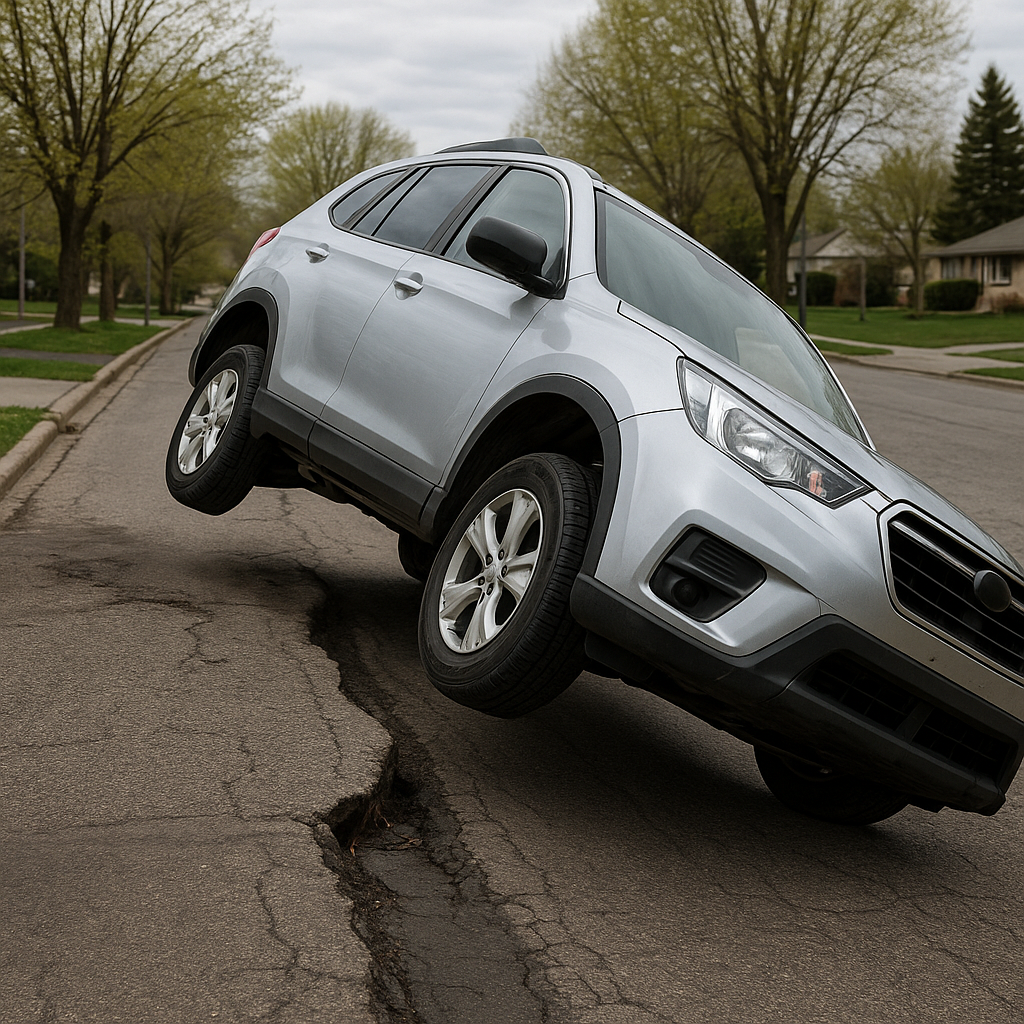
Semi Rolled Over Due to Uneven Pavement
Exploring Why This Question Is Frequently Raised
When news circulates about a semi rolling over due to uneven pavement, people are often curious about how such incidents occur. There is a common perception that semis, because of their size and design, are built to withstand road irregularities easily. When these large trucks do overturn, it tends to attract attention and prompts many individuals to seek explanations. The curiosity grows because these accidents can cause major highway delays, draw significant emergency response, and raise concerns about infrastructure safety. These factors drive both drivers and general readers to want a clear understanding of what might cause a heavy vehicle to overturn under seemingly ordinary circumstances.
The Mechanics Behind Uneven Pavement Rollovers
A semi-truck is uniquely susceptible to certain road hazards due to its structure and cargo. The combination of a high center of gravity and shifting loads creates a scenario in which uneven pavement can significantly increase the risk of a rollover. When a truck’s wheels encounter a sudden change in road elevation, the weight distribution can quickly become unbalanced.
Uneven pavement may include transitions between surfaces, potholes, dips, and raised sections that can jolt one side of the vehicle. As a semi-truck’s suspension responds to uneven surfaces, the forces exerted on the frame can cause the cargo to tilt or shift, especially if the load is not evenly distributed. Even at reasonable speeds, this loss of balance can be enough to tip the truck if the pavement differential is pronounced.
Sharp transitions between pavement levels may cause one set of wheels to lose contact with the ground, reducing traction and stability. If this loss of support happens as the truck is turning or maneuvering, the chance of rolling over increases further. This is why rollover incidents caused by uneven pavement are not always related to reckless driving, but sometimes to the challenging characteristics of certain road sections.
Additional Aspects Often Overlooked
Many factors contribute to how incidents involving uneven pavement rollover unfold—some of which may not be immediately apparent to bystanders. The design of the road and maintenance schedules play an influential role in accident rates. Certain stretches of road, particularly older or heavily trafficked routes, may develop dips, heaves, or sunken areas that are difficult for large vehicles to navigate safely.
Weather conditions can exaggerate the impact of uneven pavement. Rain can mask surface changes, while ice can add a slippery layer, both of which make it more difficult for drivers to judge and respond to hazards in time. Nighttime and poor visibility further increase the challenge of anticipating roadway inconsistencies.
The weight and type of cargo the semi is hauling also matter. Some cargo loads are more prone to sway or shift, and liquids in tankers move dynamically, amplifying the forces within the trailer during a sudden jolt. Not all road users realize that semi drivers often reduce speed for even slight dips for this very reason; a minor undulation for a car can present genuine risk for an eighteen-wheeler.
Regular road inspections and timely repairs are vital for maintaining surface evenness, but the scope of the road network often means that some problem areas persist for months or longer. This leaves drivers relying on personal experience, posted warnings, and sometimes luck to avoid trouble spots.
Informative Summary on Commercial Vehicle Rollovers
The topic of uneven pavement rollover incidents highlights the complex interplay between road conditions, vehicle design, and operating environment. Uneven surfaces can introduce unexpected challenges to semi-truck drivers, making vigilance essential even on familiar routes. While these vehicles are engineered for stability, factors like center of gravity, load type, and road irregularities all influence the likelihood of a rollover. The frequency of such incidents underscores the necessity of careful maintenance of road infrastructure and greater awareness among all road users about how large vehicles respond differently to even seemingly minor variations in pavement quality.
Understanding the root causes and contributing conditions helps clarify that such incidents are not always the result of driver error. The intricacies of commercial vehicle operation mean that infrastructure and weather can have impacts that greatly surpass those felt by passenger vehicles. Recognizing this encourages ongoing attention to road design, maintenance, and the unique requirements of heavy trucks in daily transit.