
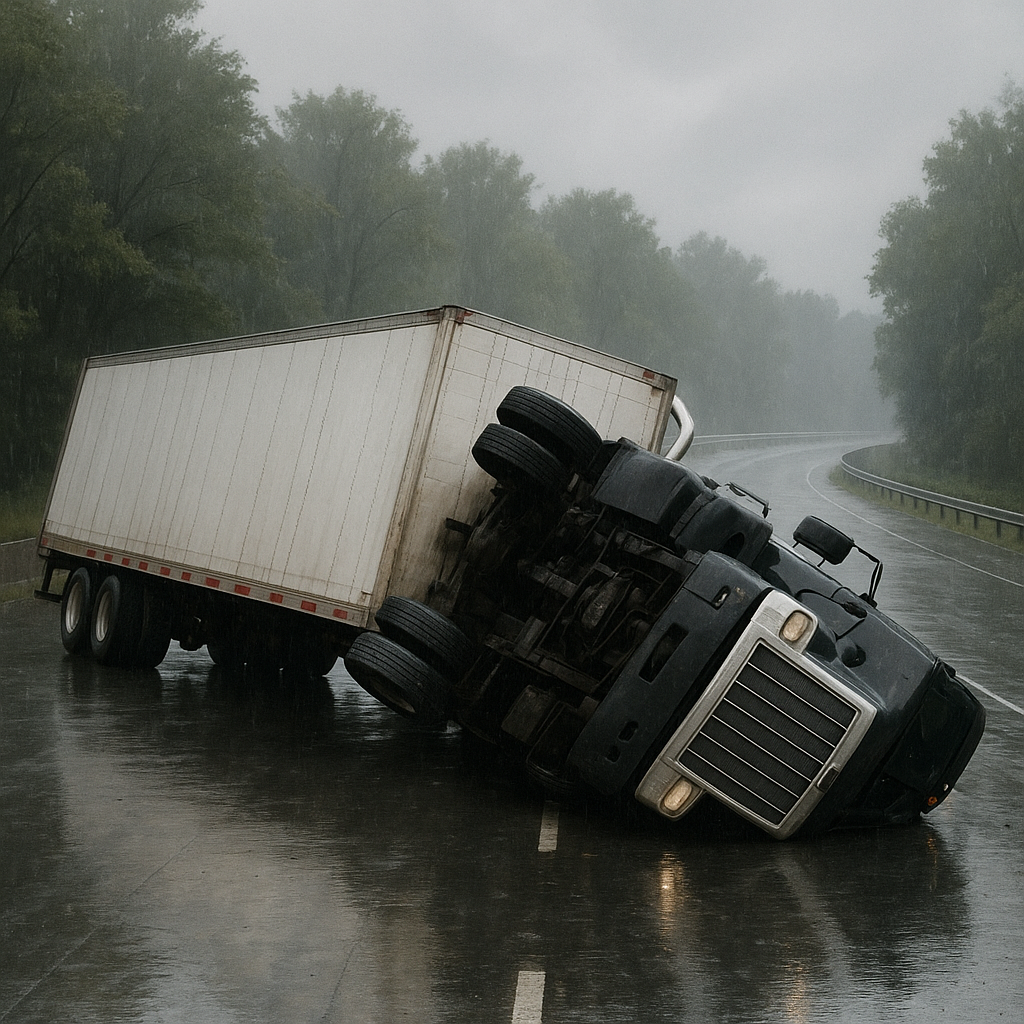
Semi Rolled Over on Wet Highway
Curiosity About Wet Highway Rollover Incidents
Many people find themselves intrigued and concerned upon hearing that a semi rolled over on a wet highway. The size and prominence of semi-trucks make these incidents both visually striking and difficult to ignore. Questions naturally arise about how such rollovers occur, how common they may be, and the underlying factors that contribute to them. This curiosity might be sparked by personal experiences, stories in the news, or simply a wish to understand how these massive vehicles can be so dramatically affected by road conditions. Furthermore, given the frequency with which many travel highways, the risks of sharing the road with semis during inclement weather are top of mind for drivers nationwide.
Understanding How Wet Roads Affect Semis
The dynamics of a wet highway rollover differ from incidents that occur on dry pavement. When rain or moisture accumulates on the road, surface friction is reduced. This lowers tire traction, making it more challenging for any vehicle to maintain control, but especially so for heavy, high-center-of-gravity vehicles like semis.
A semi-truck’s significant size, weight, and elevated cargo make it more susceptible to rollovers when losing traction. In wet conditions, sudden steering corrections, abrupt braking, or traveling at speeds inappropriate for the weather can all be factors that increase the risk of tipping. As a semi travels, the driver is constantly making small adjustments to stay centered in the lane. During a downpour or even after rainfall, hydroplaning becomes a danger. When tires lose their grip due to a water layer, steering responsiveness vanishes, and the tractor or trailer can drift out of the travel path.
If a semi begins to slide, the high center of gravity means that forces acting on the vehicle can tip it far more easily than a car or light truck. Curves in the road, ramps, or sudden changes in direction amplify this risk. If the truck’s cargo shifts during a critical moment, stability can be further compromised, increasing the chance of a wet highway rollover.
Lesser-Known Factors in Semi Rollovers on Wet Roads
There are several underlying aspects to wet highway rollover events that are often overlooked. Not all highways and road surfaces are created equal; the composition and maintenance of a highway’s surface can influence how quickly water drains away. Pooled water in dips or on uneven pavement can create hidden hazards even after rain subsides. Some roadways are more prone to “slick spots,” especially where vehicles frequently stop or turn, collecting oil residue that becomes treacherous when mixed with rainwater.
The way a semi is loaded also plays an outsized role in stability. Improperly balanced or unsecured loads—especially tall or top-heavy ones—can shift during a slide on wet pavement, making a rollover more likely. Additionally, tire condition is important. Worn or unevenly inflated tires are less effective at channeling water and maintaining traction during wet weather.
Weather can change quickly, sometimes catching drivers by surprise. Light drizzles can sometimes be more dangerous than heavy rain, as they may mix with oil and dust to produce an especially slick surface before heavier rain has washed debris off the roadway. Temperature swings might also result in patches of ice or frost, introducing even more variables not immediately obvious when viewing a wet highway.
Traffic density can compound the risks. When a highway is crowded, there is less room to correct a skid or avoid trouble spots. The ‘bow wave’ of water pushed by other vehicles can pool unpredictably, altering traction from moment to moment.
Insights Into Transport Safety and Road Awareness
Learning about how and why a semi rolled over on a wet highway helps shed light on the complexities of highway transportation. While weather and physics are the primary factors at play, many subtle details—such as road design, truck maintenance, and traffic patterns—interact in ways not always apparent to the average driver.
Recognizing these intricacies can encourage greater mindfulness during wet conditions, whether behind the wheel of a large vehicle or a passenger car. Truck operators and other drivers alike can benefit from understanding how stability, weather, and roadway features combine to create risks, especially during unpredictable and wet conditions.
Ongoing research, improved vehicle technology, and roadway engineering continue to address the challenge of keeping highways safer, even when conditions are less than perfect. Staying attuned to these insights can promote a more informed perspective about the dynamics of large vehicle rollovers and the pivotal role played by wet roads in such occurrences.