
Severe Abdominal Injuries From Truck Underride
Nature and Consequences of Underride Abdominal Injury
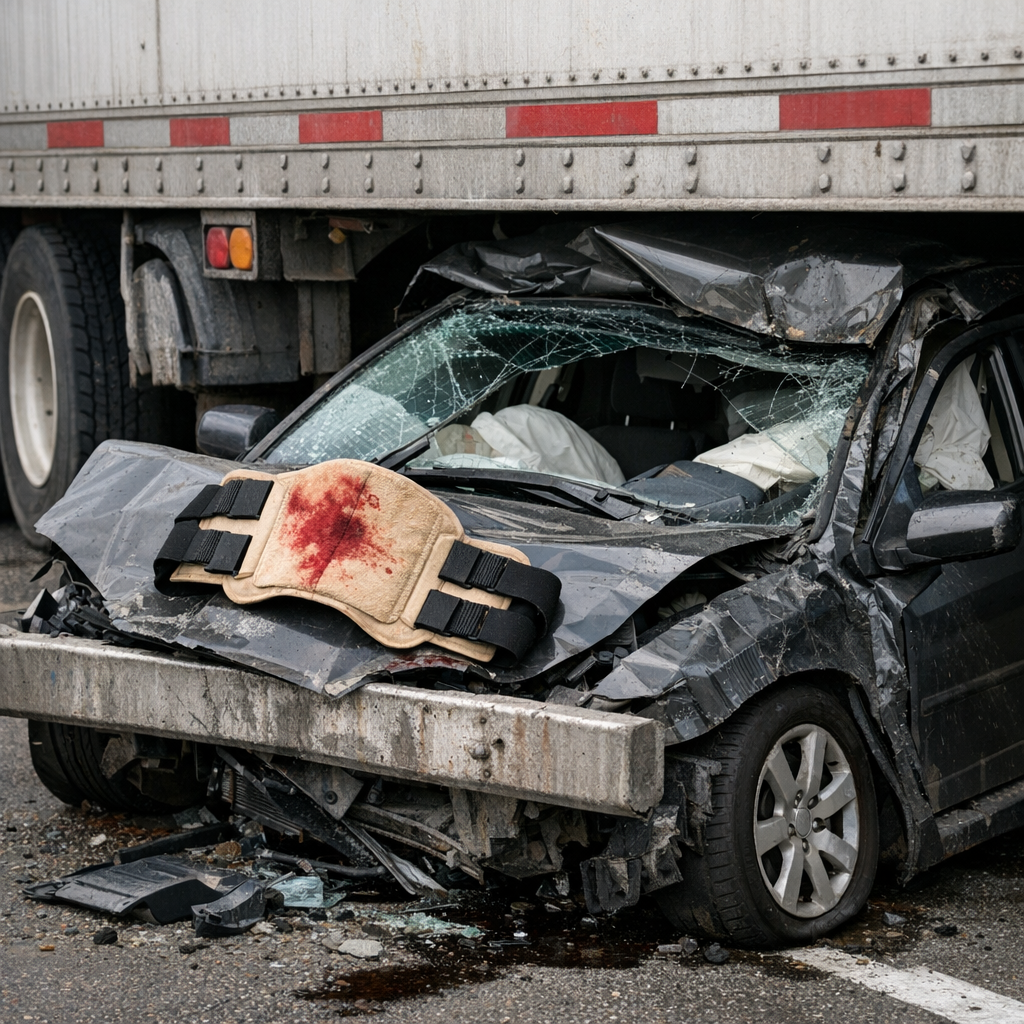
Severe abdominal injuries resulting from truck underride incidents represent a significant and complex outcome in collision scenarios. In a truck underride event, a smaller vehicle slides under the rear or side of a larger truck, often bypassing standard bumper zones. This mechanism tends to concentrate impact forces on the upper part of the vehicle, disproportionately affecting the occupants’ thoracic and abdominal regions.
When an underride collision occurs, kinetic energy is transferred directly into the lower chest and abdominal area. The force can crush or tear internal organs, cause severe lacerations, and sometimes result in immediate, life-threatening trauma. Commonly affected organs include the liver, spleen, intestines, and kidneys as well as major blood vessels within the abdomen. Injuries may also involve the pelvic bones and the structures supporting the spine.
The immediate aftermath of an underride abdominal injury often includes significant blood loss and the potential for shock. Emergency medical intervention focuses primarily on stabilization, control of hemorrhage, and surgical assessment. Depending on the extent of internal damage, multi-organ involvement is common and can complicate both short-term survival and longer-term recovery prospects. In some cases, complications arise from infection, secondary organ failure, or the need for extensive reconstructive or reparative surgery.
Long-Term Impact on Daily Life
The effects of severe underride abdominal injuries frequently extend beyond the initial hospitalization period. Over time, survivors may experience persistent changes in physical ability and general health. The abdomen houses a number of essential organs and biological systems; significant trauma to this area can alter digestion, nutrient absorption, and metabolic function.
As part of the recovery process, individuals may adapt to changes in daily routines. Depending on the severity and specific organs impacted, ongoing symptoms may include pain, reduced stamina, and difficulty with activities requiring core strength. Some survivors deal with altered gastrointestinal function, requiring dietary adjustments or medical management. Scarring, both internal and external, can contribute to discomfort and restricted movement, while repeated surgeries may be needed to address complications or improve function.
Emotional and psychological effects are also common. Prolonged recovery time, changes in body image, and the impact of chronic symptoms can influence mood and outlook. Limitations in lifestyle may lead to adjustments at home, school, or work, sometimes necessitating a supportive environment or adaptive devices to facilitate participation in daily activities.
Common Concerns and Considerations
For those experiencing the aftermath of an underride abdominal injury, several concerns frequently arise. The unpredictability of healing timelines is an ongoing source of uncertainty. Each injury is unique, shaped by which organs and tissues were involved, the speed and nature of post-collision care, and individualized responses to treatment.
One concern relates to the prospect of long-term or permanent disability. In severe cases, loss of function in certain abdominal organs may result in the need for lifelong medical intervention. For example, damage to the pancreas may affect insulin regulation, necessitating ongoing endocrinological monitoring. Bowel injuries can require stoma formation or long-term alterations in bowel habits, affecting diet and social routines.
Another area of concern is the likelihood of recurrent complications. Internal adhesions, infections, or hernias at surgical sites may necessitate additional procedures or hospitalizations. The risk of subsequent health issues, such as organ insufficiency or chronic pain syndromes, might not be clear in the early stages but can surface over time.
Many individuals experience concern about how these injuries influence independence. Activities such as lifting, exercise, or even routine tasks may need modification, depending on physical limitations. Returning to pre-injury activities often depends on the interplay between ongoing symptoms, energy levels, and the support systems available.
Healthcare follow-up requirements feature prominently in post-injury lives. Regular evaluations, imaging studies, and laboratory tests may become routine. Survivors frequently coordinate with a range of medical specialists, and long-term medication use is occasionally necessary to manage pain, prevent infection, or support compromised organ function.
Informational Summary
Underride abdominal injuries are a distinctive and serious outcome of certain vehicular collisions, carrying a wide range of immediate and ongoing effects. The mechanisms of injury, complexity of treatment, and potential for long-term consequences combine to create a scenario requiring careful, continued management. While each individual’s trajectory differs, the underlying reality is that the abdominal region’s central role in overall health and daily function means these injuries can influence life far beyond the initial incident.
Understanding the potential outcomes and routine impacts associated with underride abdominal injuries allows individuals to anticipate some of the challenges that may arise. Ongoing observation and coordinated care are typical features of post-injury routines. The array of possible issues—physical, practical, and psychological—highlight the importance of informed management strategies.
As with many traumatic injuries, the road to stability after an underride abdominal injury is often marked by adaptation and adjustment. Awareness of the diverse range of potential effects can support practical planning and set realistic expectations for the progression of recovery. The process is highly individual, reflecting the variation inherent in the injuries themselves and the resilience with which they are managed over time.