
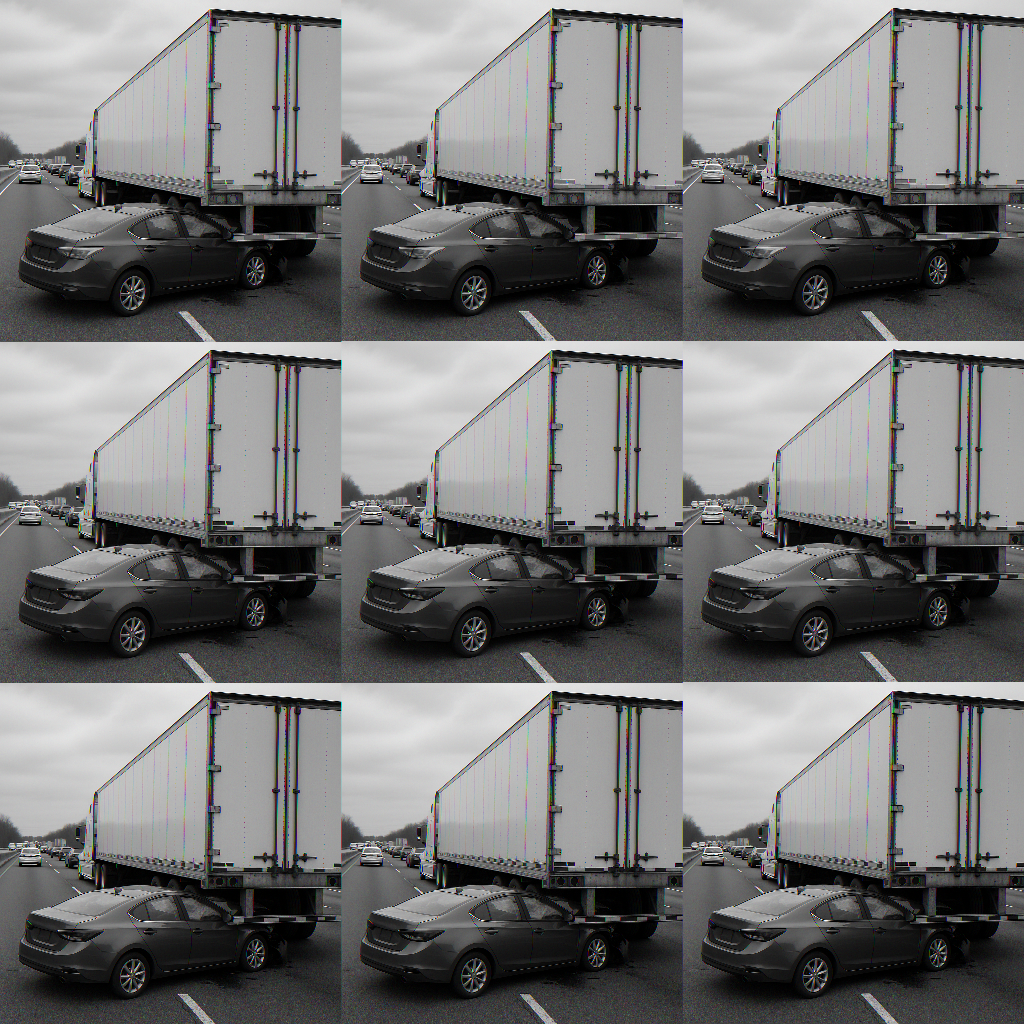
Underride Accident During Freeway Slowdown
Freeways are often sites of sudden traffic slowdowns, especially during peak hours or near construction zones. In these situations, collisions can occur with little warning. One serious type of incident is an underride accident, where a smaller vehicle slides under the rear or side of a larger truck or trailer.
During freeway slowdown events, the risk of this kind of crash can increase as vehicles may not have adequate time or distance to respond safely to changes in traffic speed ahead. These incidents typically involve rapid deceleration and limited visibility, which can result in severe consequences.
What Happens During a Freeway Slowdown Underride
When traffic slows unexpectedly, each driver’s reaction becomes critical. The combination of high speeds and close following distances may limit the time available to stop.
How Underride Collisions Occur
An underride accident often begins when a small passenger vehicle is unable to brake in time as traffic abruptly slows. If a large truck or trailer is directly ahead, the lower-profile vehicle may slide under its rear or side, especially if visibility is limited or the truck lacks adequate underride guards. These guards, when present, are designed to help prevent such scenarios by stopping a car from moving beneath the taller vehicle.
Factors Contributing to These Incidents
Freeway conditions, such as wet pavement, poor lighting, or congested lanes, can further increase risk. Driver distraction, weather events, or sudden lane changes sometimes leave little room for evasive maneuvers. Larger vehicles may also have slower braking response times, leading to rapid traffic stacking when a slowdown occurs.
Aftermath and Immediate Consequences
The immediate outcomes of a freeway slowdown underride can vary significantly, depending on vehicle speeds, traffic density, and the presence of safety equipment.
Typical Physical Impacts
In many cases, underride accidents cause major structural damage to the smaller vehicle, especially to the front end and the passenger cabin. The force of impact can also compromise the trailer’s undercarriage and disrupt traffic further as both involved vehicles often come to an abrupt halt.
Disruption to Traffic Flow
Collisions of this type generally block multiple lanes, contributing to lengthy delays. Emergency services may need to restrict access to affected areas, further slowing movement and creating additional hazards for approaching drivers.
Response Measures
Standard emergency response involves removing vehicles from the roadway, checking for leaks or debris, and ensuring all road users remain at a safe distance. The removal and cleanup process can be time-consuming, depending on the severity of the impact and the condition of the involved vehicles.
Questions and Concerns After an Underride Crash
Following a freeway slowdown underride, many people naturally have questions about the factors that led up to the event and what can be done to prevent similar incidents in the future.
Vehicle Safety and Equipment
Some individuals wonder about the effectiveness of underride guards or other safety features. It is common to ask whether additional visibility tools, lighting, or better braking systems could help reduce the risk of these types of collisions.
Road Design and Traffic Management
Others may be curious about roadway signage and traffic control during periods of congestion. Improvements in warning systems or changes to road layout sometimes come up in discussions about how to minimize collision risks during unexpected slowdowns.
##### Future Developments in Accident Prevention
Ongoing advancements in vehicle technology, such as automatic emergency braking or connected vehicle systems, are continually being explored as possible ways to provide drivers with extra response time in rapidly changing traffic conditions.
Maintaining Awareness on the Freeway
Understanding the mechanics and outcomes of underride accidents during freeway slowdowns can inform safer travel habits. Remaining attentive to traffic flow, maintaining appropriate following distances, and staying alert to sudden changes are practical measures that benefit all road users. Technology and infrastructure developments continue to address these challenges, contributing to a gradual reduction in accident risks over time.