
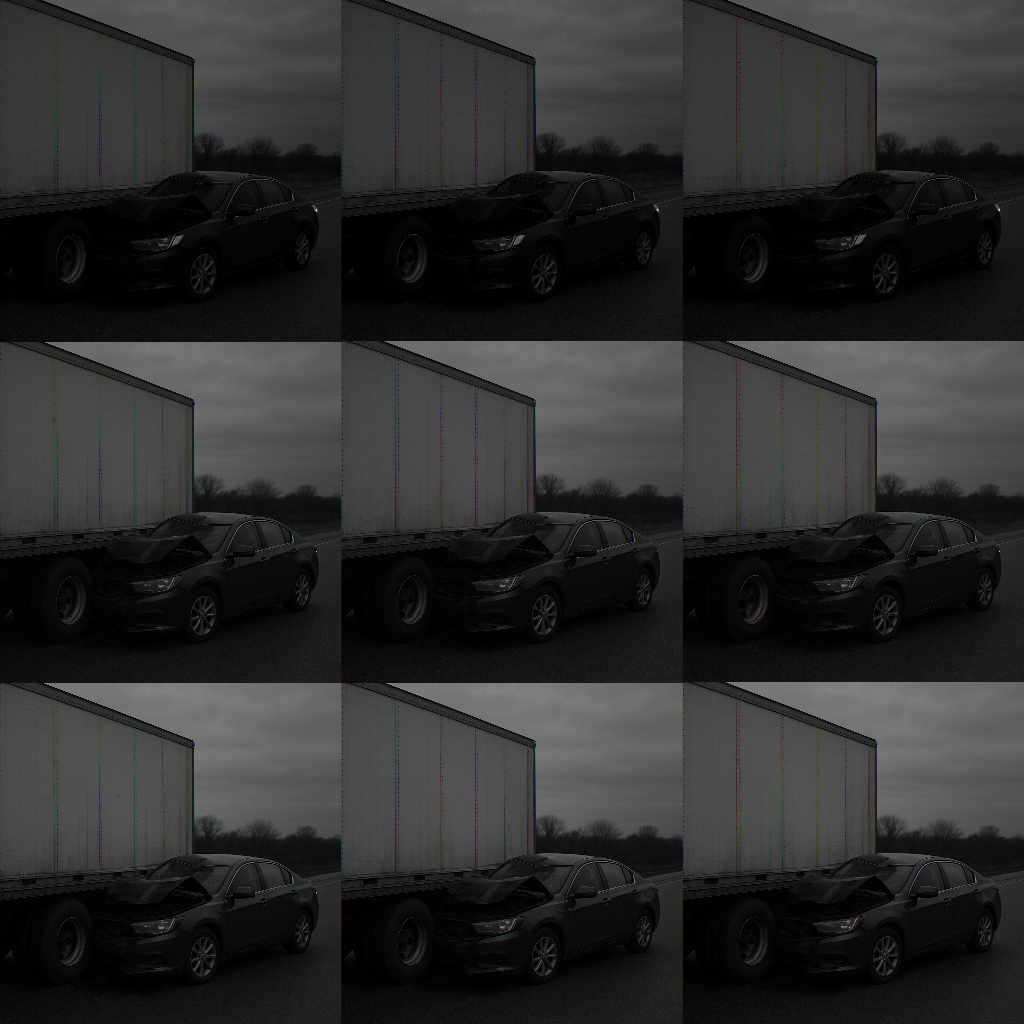
Underride Collision Caused by Poor Lighting
An underride collision occurs when a smaller vehicle, such as a passenger car, slides underneath the rear or side of a larger truck or trailer. Poor visibility is a common contributing factor in these accidents, especially when roadway or vehicle lighting is inadequate. Awareness and understanding of how poor lighting can play a central role in underride collisions can help drivers, fleet operators, and safety professionals focus on practical prevention strategies.
Several factors combine to make poor lighting especially risky in areas where trucks and passenger vehicles share the road after dark, including reduced contrast, difficulty spotting the edges of large vehicles, and misjudgment of distances. The following sections explore the sequence of a typical underride collision caused by insufficient lighting, outcomes that often result, and frequent considerations that arise post-incident.
Common Circumstances Leading to Poor Lighting Underride Events
Nighttime Road Conditions and Large Vehicles
Many underride incidents happen at night or during low-light periods like dawn or dusk. Commercial trucks, trailers, and service vehicles sometimes lack reflective markings or adequate tail lighting. In some cases, lighting systems are malfunctioning or not well-maintained, making it hard for approaching motorists to clearly see where trailers begin and end.
Approaching Drivers and Visual Limitations
When a car approaches a poorly lit truck, visibility issues become immediately apparent. Without working taillights, reflective tape, or clean conspicuity markings, the rear or side of a trailer may appear almost invisible against the roadway. Drivers may not realize they are approaching a much larger, slower-moving vehicle until it is too late to stop or react safely.
Sequence and Outcomes of These Collisions
Physical Impact and Vehicle Damage
An underride collision usually results in the smaller vehicle sliding underneath the truck frame. This can cause significant intrusion into the passenger compartment, leading to severe damage to the vehicle’s roof, windshield, and front seats. The structural design of many standard cars offers little protection against this type of impact.
Secondary Effects at the Scene
After the initial collision, vehicles may come to rest in unpredictable positions. The incident can temporarily block lanes or cause traffic congestion. Emergency responders may face unique challenges in gaining access to occupants of vehicles that have become wedged beneath a trailer.
Environmental and Traffic Considerations
Poorly lit stretches of road tend to be more dangerous, even outside of underride scenarios. Inadequate street lamps, absence of reflective road markings, and worn-out signage all contribute to increased risk, especially in areas with regular truck traffic or busy loading docks.
Addressing Questions Around Poor Lighting Underride Risks
Why Don’t All Trucks Have High-Visibility Markings?
Not all commercial vehicles are equipped with the latest in high-visibility technology. Some fleet vehicles may be older, while others might operate in areas with infrequent inspections or limited oversight. Budget constraints and lack of awareness can also play a role in the persistence of under-marked or dimly lit trailers.
Can Weather Conditions Make Problems Worse?
Light mist, rain, or fog can further diminish already inadequate visibility. Road grime and dirt can build up on reflective tape and tail lights as well, reducing their effectiveness even if equipment is otherwise up to date.
##### Are There Ongoing Efforts for Better Lighting?
Fleet operators and regulatory bodies continue to recommend upgrades to lighting and markings for enhanced safety. Improved visibility measures are gradually being adopted, though implementation can vary across regions and organizations.
Reflecting on Safety and Awareness
Recognizing how poor lighting increases underride collision risks highlights the importance of maintaining both vehicles and roadways for visibility. Ongoing attention to lighting upgrades, regular vehicle inspections, and improvements to urban infrastructure may help prevent similar incidents in the future. By understanding these events from multiple perspectives, everyone involved in road safety can take informed steps toward reducing the risk of underride collisions caused by poor lighting.