
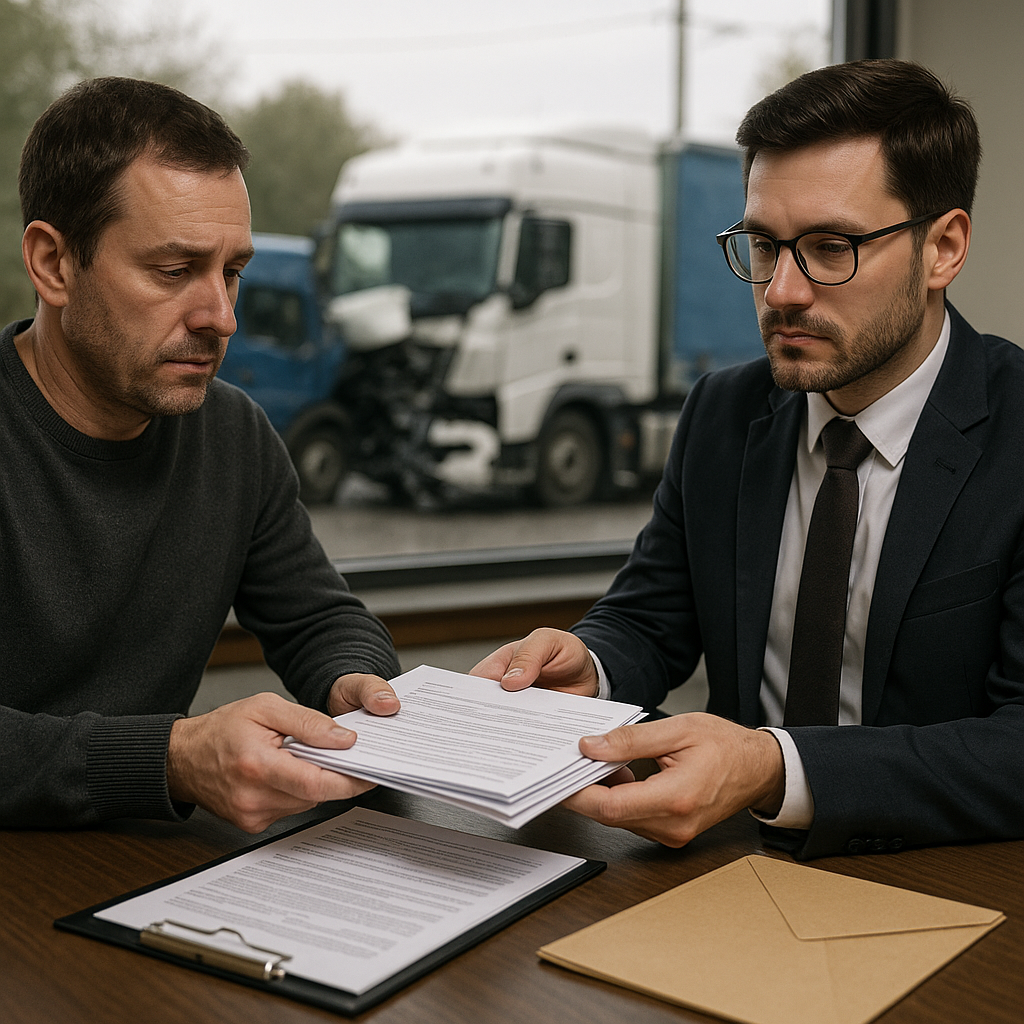
What documents to bring to a lawyer after a truck accident
Introduction to choosing or working with a truck accident lawyer
After a truck accident, people often consider speaking with a lawyer to understand possible options, timelines, and what information matters most. Bringing organized paperwork to an initial meeting can help the conversation stay focused on the facts and reduce back-and-forth requests later. The right documents truck accident lawyer discussions typically start with are the ones that show what happened, what losses followed, and who may be involved.
What this aspect means for someone considering legal representation
Having the right documents does not determine whether you “have a case,” but it can help a lawyer explain what additional information may be needed and what issues could affect a claim.
What people often look for or expect in this situation
Many people expect a lawyer to quickly estimate next steps, insurance interactions, and how long a matter might take. To support that, it helps to bring:
– Crash-related records: police/incident report number, photos/videos, dashcam footage, witness names and contact details, and any citations issued.
– Insurance information: your auto policy declarations page, claim numbers, adjuster contact details, letters/emails from insurers, and any recorded statement confirmations.
– Medical documentation: discharge papers, diagnoses, treatment plans, bills, receipts, and a list of providers. A simple timeline of appointments can also help.
– Employment and income records (if missed work): recent pay stubs, employer absence notes, disability/FMLA paperwork, or self-employment invoices.
How this factor can influence the overall legal process
Clear documentation can help a lawyer identify potential responsible parties (for example, driver, trucking company, or maintenance provider), understand injury progression, and track costs. Gaps are common; a lawyer may suggest ways to request missing records from hospitals, insurers, or government agencies.
What the experience may look like when working with a lawyer
An initial meeting often involves reviewing your documents, building a basic timeline, and discussing what additional records might be requested (such as trucking logs, maintenance records, or electronic data). You may also be asked to avoid sharing documents publicly and to keep ongoing records of treatment and expenses.
Common misunderstandings or concerns about hiring a lawyer
A common concern is, “I don’t have everything yet.” That is typical—bringing what you have is usually enough to start. Another misunderstanding is that only medical bills matter; in practice, photos, insurance letters, and proof of time missed from work can be important too.
General considerations when deciding whether to seek legal representation
People often weigh the severity of injuries, the number of parties involved, insurance complexity, and how comfortable they feel handling paperwork and deadlines. Every situation differs, and the needed documents can vary by jurisdiction and facts.
Closing informational summary (neutral, practical, and reassuring)
If you plan to meet a lawyer after a truck accident, bring crash records, insurance paperwork, medical documents, and any proof of income loss, plus a written timeline. Even if items are missing, organized information can make the first conversation more efficient and clarify what comes next.