
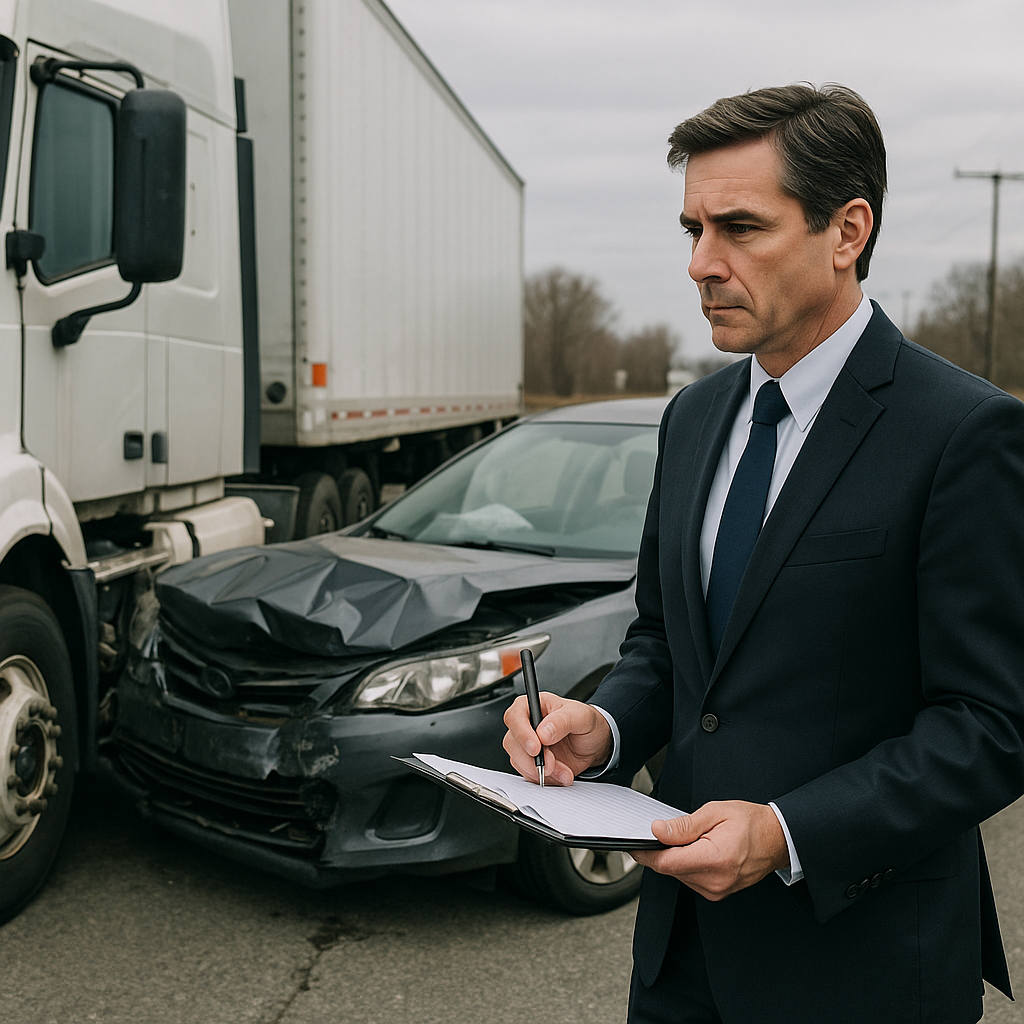
What role lawyers play in accident reconstruction for truck cases
Introduction to choosing or working with a truck accident lawyer
In serious commercial vehicle collisions, determining how and why the crash happened can be central to insurance discussions and any legal claim. Accident reconstruction is the process of analyzing evidence—such as vehicle damage, roadway marks, and electronic data—to form a technical account of the events. An accident reconstruction truck accident lawyer typically does not “reconstruct” the crash personally, but may coordinate the people, records, and timelines needed for that analysis.
What this aspect means for someone considering legal representation
Accident reconstruction can affect the quality of information available about the collision and how clearly it can be explained to insurers, opposing parties, or a court. For someone thinking about hiring counsel, the lawyer’s role is often about managing the reconstruction process and integrating it into the broader case strategy, while recognizing that every case depends on its unique facts and available evidence.
What people often look for or expect in this situation
People commonly expect a lawyer to:
– Identify what evidence may exist (police reports, photos, surveillance video, witness statements).
– Request and organize trucking-specific records (driver logs, maintenance records, cargo documents).
– Preserve time-sensitive information (such as “black box”/ECM data and telematics), which may be overwritten or lost.
– Work with qualified reconstruction professionals when technical analysis is needed.
How this factor can influence the overall legal process
Reconstruction can shape the timeline and the scope of a claim. Gathering data from a trucking company may take time, and expert analysis may be required to interpret speed, braking, visibility, and impact angles. A clearer technical narrative can also affect negotiations by narrowing disagreements about what happened, though it does not determine a result by itself.
What the experience may look like when working with a lawyer
Clients are often asked for details they may not expect, such as prior photos of the vehicle, phone records around the time of the crash, or notes about weather and road conditions. The lawyer may coordinate inspections of the vehicles, communicate with adjusters, and serve as the point of contact for experts. Updates typically involve what evidence has been obtained, what is still pending, and what questions the reconstruction is trying to answer.
Common misunderstandings or concerns about hiring a lawyer
A frequent misunderstanding is that reconstruction always produces a definitive answer. In reality, evidence can be incomplete or conflicting. Another concern is cost: reconstruction experts and inspections can be expensive, and arrangements vary by case and jurisdiction. People also sometimes assume a lawyer can quickly access all trucking data; some information may require formal requests or court-approved procedures.
General considerations when deciding whether to seek legal representation
It can be helpful to consider the severity of injuries, the number of parties involved, whether a commercial carrier is involved, and how complex the evidence appears. Time-sensitive evidence and strict deadlines can be relevant, but the practical needs differ from case to case.
Closing informational summary (neutral, practical, and reassuring)
In truck cases, lawyers often play a coordinating role in accident reconstruction—helping preserve evidence, organize records, and work with technical professionals so the facts can be evaluated and explained. The process can be detailed and variable, and outcomes depend on the available evidence and the specific circumstances of the collision.