
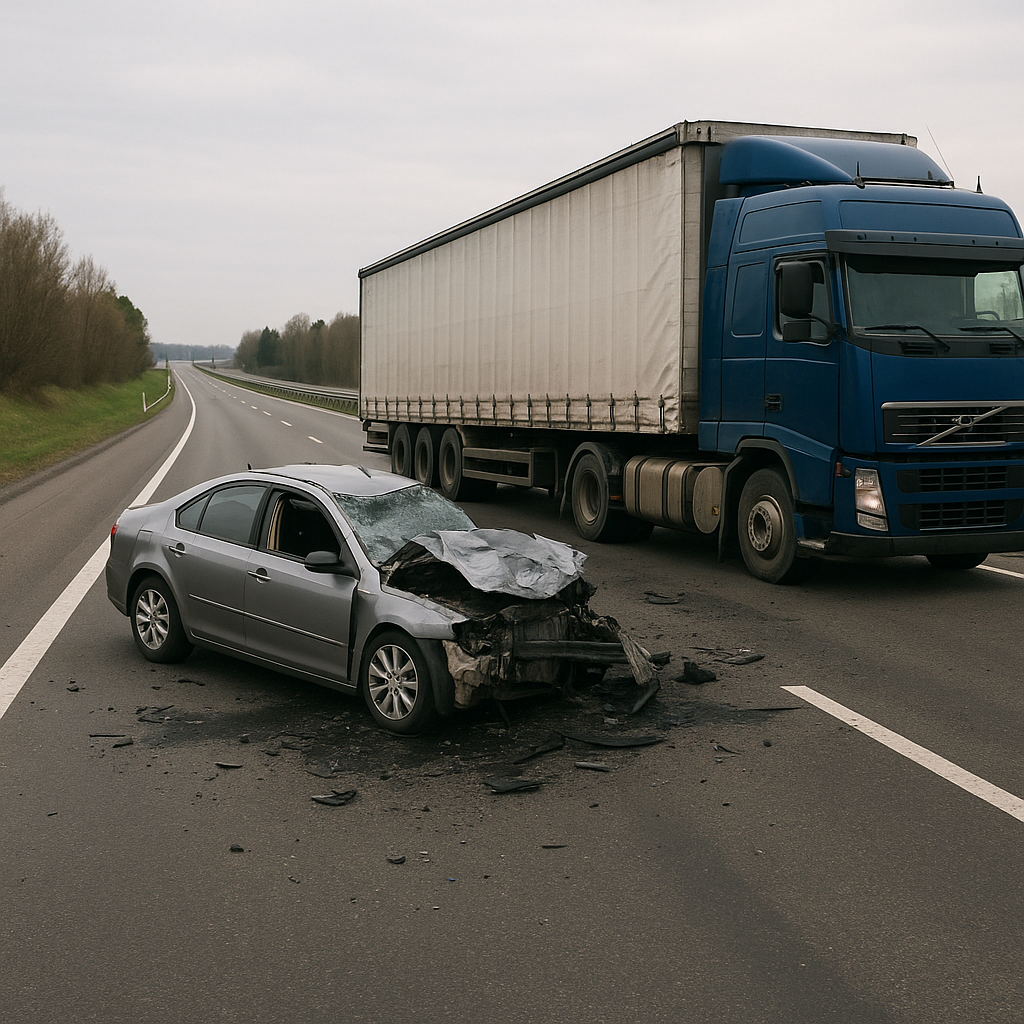
Why Highway Truck Crashes Are Often Fatal
Highway truck crashes typically involve large commercial vehicles and smaller passenger vehicles traveling at high speeds. These incidents often occur on major roadways designed to accommodate the movement of goods and people over long distances. Highways usually have multiple lanes in each direction, and traffic can include trucks carrying heavy or oversized loads. Conditions such as busy interchanges, limited stopping distances, and changing weather can increase the risk of severe incidents.
Most highway truck accidents involve scenarios like sudden lane changes, merging, reduced visibility, or construction zones. A common situation includes a truck traveling at highway speeds encountering smaller vehicles in its path, resulting in a collision. Unlike crashes on city streets, these events unfold at higher velocities, increasing the potential for substantial damage.
Factors That Make Highway Truck Crashes Especially Dangerous
Several factors account for the severity of highway truck crashes. Trucks often weigh 20 to 30 times more than a typical passenger vehicle, which means they generate much greater force upon impact. Their size and height can also result in underride situations, where a smaller vehicle may be forced under the truck’s trailer. In these cases, the passenger cabin of the smaller vehicle is highly vulnerable.
Speed is another critical factor. The average speed on highways is considerably higher than in urban settings. When a large truck collides with another vehicle or a stationary object at high speed, the energy transferred is significantly greater. This often results in crashes that are more severe or even fatal compared to those occurring at lower speeds.
Truck drivers require much more distance to bring their vehicles to a halt. If traffic slows or stops unexpectedly, a heavy truck may not be able to stop in time. The momentum of a fully loaded tractor-trailer often makes it difficult to avoid a severe collision once an emergency arises.
Visibility can be limited for truck drivers. Blind spots—often called “no zones”—are areas around trucks where other vehicles may not be seen. A car in these zones remains unnoticed, especially during lane changes or merges, increasing the likelihood of collisions.
Immediate Aftermath and Emergency Response
The moments following a highway truck fatal accident are critical. Emergency responders face significant challenges, such as managing traffic flow, assessing injuries, and ensuring the safety of everyone involved. The size of the truck and the potential for hazardous materials increases the complexity of rescue operations. Highways may be closed or redirected for hours as responders work to stabilize the scene and provide necessary aid.
Scene Management and Safety Considerations
Emergency teams coordinate with highway authorities to manage the area. Securing the site is vital to prevent further incidents and to provide an environment where responders can safely perform their duties. Communicating with other drivers on the highway to slow or halt traffic helps reduce the risk of secondary incidents.
Medical Response Timelines
Given the potential severity of injuries, quick medical assessment is essential. First responders prioritize evaluating the health of all individuals involved and determine the urgency of transport to medical facilities. The high speeds often mean the injuries sustained require immediate and advanced care.
Short-Term Impact on Families and Daily Life
Highway truck crashes frequently affect more than those on the road. Families and loved ones may face sudden and unexpected changes in their daily lives. In the days and weeks following a severe incident, families often must adapt to new routines, potential loss of income, or temporary changes in household responsibilities.
Daily Adjustments and Emotional Toll
The sudden absence or altered routine of a family member involved in a crash can require significant adjustments at home and at work. Some families may need to seek temporary support for childcare, household tasks, or transportation needs, impacting their everyday schedules.
The emotional impact can also be significant. While this article avoids clinical terminology, it is important to recognize that adjusting to a new situation can take time. Families often support each other and rely on community or workplace resources during these transitions.
Long-Term Changes and Ongoing Challenges
Beyond the initial aftermath, the results of a highway truck fatal accident may influence daily life for months or even years. Alterations to living arrangements, changes to employment, or shifts in personal responsibilities can all stem from a single event on the highway.
Adapting to New Circumstances
Long-term adjustments may involve new priorities for the family, such as changes to work schedules or relocating closer to support networks. Family dynamics might evolve as children, relatives, or friends step in to help share responsibilities.
Some individuals turn to professional or community support services to assist with ongoing needs. Over time, families adopt new patterns and gradually adjust to their revised circumstances.
The Role of Safety Awareness and Infrastructure
Efforts to reduce highway truck fatal crashes focus on improving vehicle safety features, enforcing speed regulations, and providing clear signage for drivers. Ongoing training for truck drivers and awareness programs for all motorists highlight the importance of sharing the road safely. Road designers continue to seek improvements that help reduce the risk of severe crashes on highways.
Conclusion
Highway truck crashes are often severe or fatal due to the unique combination of vehicle size, speed, and roadway conditions. While the immediate effects can be profound, communities and families work together to adapt and support one another in the face of change. Continued efforts in safety awareness and road improvements remain vital in helping prevent such incidents in the future.