
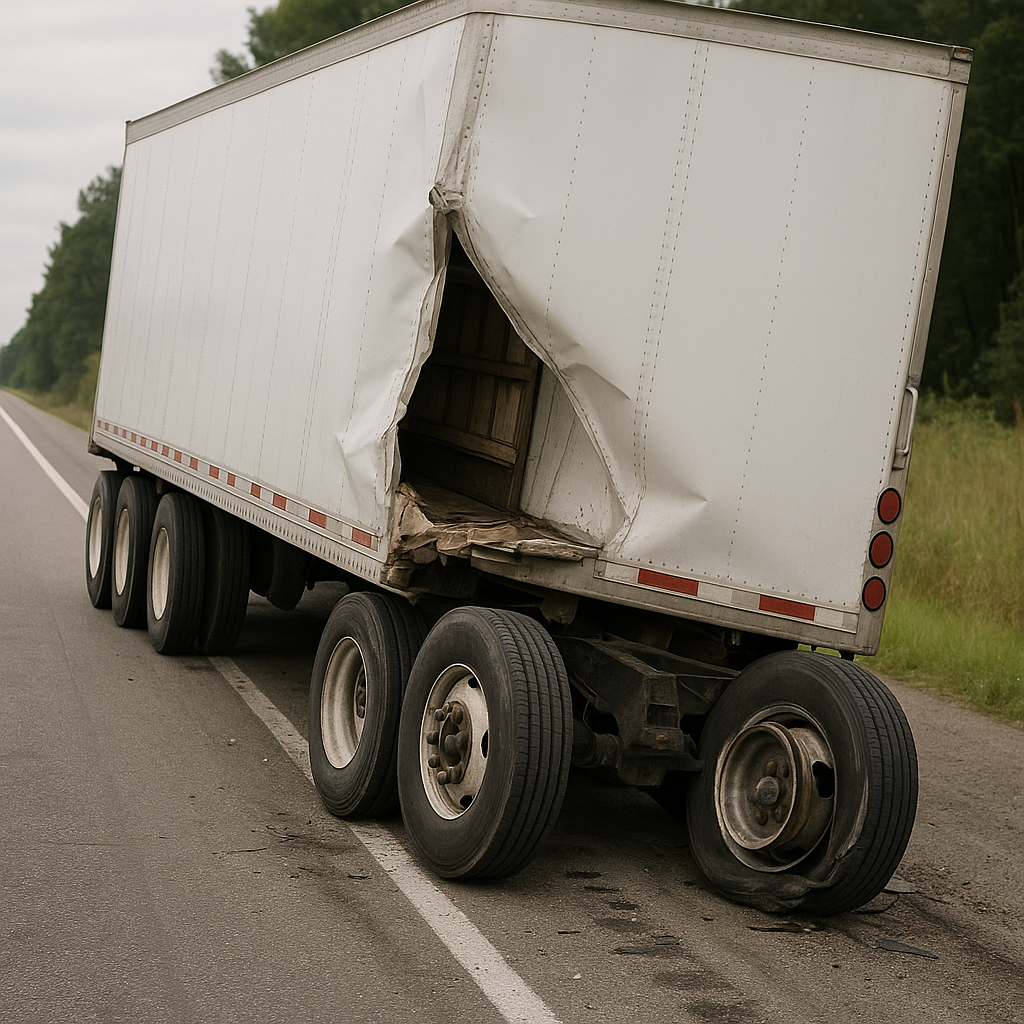
Why Trailer Inspection Lapses Increase Accident Risk
Trailer safety is a critical concern for road transport and logistics industries worldwide. While the function of trailers may appear straightforward—simply moving cargo from one location to another—their size and complexity mean that even small issues can have severe consequences. Routine inspections act as vital checkpoints, catching emerging faults before they escalate. When these checks are neglected, the inspection lapse risk grows, creating dangerous conditions that can lead to accidents. Understanding the systems at play and how inspection lapses contribute to elevated accident risk is important for anyone interested in road safety.
Mechanical Systems and Component Failures
The Role of Braking Systems
Trailer brakes are heavily relied upon to bring massive loads to a safe stop, often in challenging conditions. Unlike standard passenger vehicles, trailers require complex brake systems adapted to handle far greater weight and inertia. Inspections ensure that these brakes function correctly, that brake pads are in good condition, and that air or hydraulic lines are intact and free of leaks.
When routine inspections are skipped or performed inadequately, it’s easy for minor wear to go unnoticed. A deteriorated brake pad or leaking line, for instance, can go from a manageable concern to a critical failure point. As wear accumulates, stopping distances increase and the trailer becomes harder to control, elevating accident risk—especially in emergencies.
Tire Integrity and Load Handling
Tires on a trailer bear the dual responsibility of supporting immense weights and withstanding long hours of continuous use. Inspection routines are meant to detect underinflated, overinflated, worn, or mismatched tires. Neglecting these checks raises the inspection lapse risk because tire blowouts and tread separations become more likely.
A compromised tire at highway speed can rapidly destabilize an otherwise steady trailer. This destabilization often leads to swaying, fishtailing, or even rollover crashes. In addition, tire debris can endanger other vehicles, compounding the risk stemming from a seemingly minor oversight.
Structural Weakness and Fastener Issues
The framework of a trailer depends on a network of connections, welds, and fasteners. Repeated stress, vibration, and exposure to harsh environments can fatigue these components or loosen their fits. Inspections are designed to catch early signs of cracking, corrosion, or unwinding bolts, all of which can undermine structural integrity.
When inspection lapses occur, latent damage is allowed to progress unchecked. Small cracks grow wider, rust weakens joints, and loose bolts may eventually come undone. At some point, the trailer might lose vital components, such as an axle or panel, or even separate from the tow vehicle. Each of these outcomes raises the potential for a sudden, catastrophic crash.
The Process of Deterioration Without Inspections
Gradual Degradation of Safety Mechanisms
Wear and tear is inevitable, but its pace and impact can vary greatly depending on maintenance habits. Everyday exposure to rough roads, weather, and loads incrementally wears down trailer components. Normally, inspections offer a reliable opportunity to spot early warning signs and intervene with repairs or part replacements.
If these inspections are skipped or rushed, degradation continues without notice. Safety systems that were once functioning optimally begin to fail in subtle ways. Brake lag, reduced lighting effectiveness, or improper load securement may not seem remarkable individually—yet combined, these small deficits significantly undermine the trailer’s overall safety profile.
Compounded Faults Leading to Cascading Failures
Mechanical systems in trailers are interdependent. A subtle issue in one area can place increased stress on others, amplifying the risk across the vehicle. An unnoticed air leak in the pneumatic braking system, for instance, forces other components to work harder, accelerating their own wear. Similarly, a tire running below optimal pressure can affect the trailer’s load distribution, which may, in turn, put added strain on the suspension and axle mounts.
Inspection lapse risk escalates as these issues compound. Instead of dealing with an isolated, easily-managed fault, the trailer operator could suddenly face multiple simultaneous failures. In the midst of heavy traffic or at highway speeds, such a scenario is far more likely to result in loss of control and a serious crash.
Real-World Crash Implications
Loss of Control Incidents
When crucial components fail in transit—whether brakes, tires, or structure—the immediate outcome is often loss of vehicle control. In the case of a brake system compromise, a fully-loaded trailer may not be able to stop in time to avoid an obstacle, especially on steep grades or wet roads. Tires in poor condition can cause dangerous blowouts with little warning, leading to swerving or rollovers.
These incidents don’t just affect the trailer and its cargo. Trailers are often much larger and heavier than most vehicles on the road, and even a momentary loss of control can have devastating ripple effects. Surrounding vehicles may be caught up in debris or collision, resulting in multi-vehicle crashes and significant injuries.
Cargo Spills and Roadway Hazards
Inspection lapses contribute directly to the risk of cargo spills. A missed defect in a door latch, tie-down, or wall panel can result in unsecured loads being dumped onto the roadway. These sudden obstructions create further accident risk, forcing other drivers into evasive maneuvers that can end in collisions.
Hazardous materials, in particular, pose an amplified threat if accidentally released because of structural failures that could have been found during an inspection. A single missed check can, therefore, impact not just vehicles but also the broader environment and community.
Extended Accident Chains
The fallout from trailer-related incidents rarely ends with the initial crash. A disabled trailer in a live lane or scattered cargo can set off secondary crashes as oncoming traffic reacts unpredictably. Emergency response teams, too, face increased risk when navigating accidents involving large, unstable vehicles.
Underlying many such accident chains is the inspection lapse risk—the preventable element that allowed the incident to unfold in the first place. In effect, each skipped inspection introduces a degree of unpredictability to the roadways, raising the stakes for everyone who shares them.
Conclusion: The Ongoing Impact of Skipped Inspections
Trailer inspection lapses and the associated risk reach far beyond the confines of mechanical maintenance. They mark the difference between predictable, safe operation and the potential for sudden, unmanageable failure. As underlying faults accumulate, the margin for error narrows, transforming previously routine journeys into opportunities for disaster.
The systems governing trailer safety are robust, but they depend entirely on regular, thorough inspections to function as intended. When these are omitted, small problems grow larger and safety is quietly undermined. Ultimately, the risk introduced by skipped inspections is not merely a technical concern, but one with tangible consequences on road safety and accident rates—making their role in preventing accidents both critical and ongoing.