
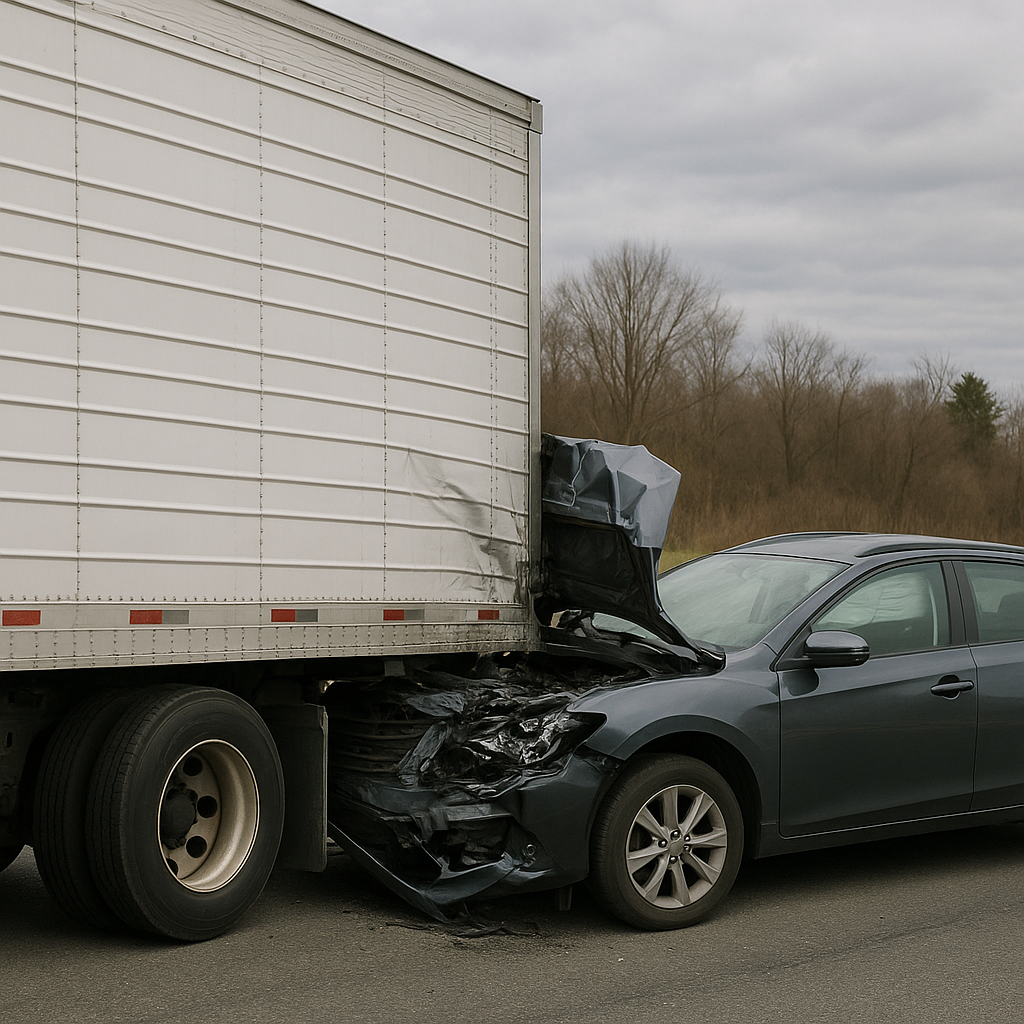
Why Trailer Structural Integrity Matters in Crashes
Understanding the importance of trailer structural integrity in crashes is essential for anyone involved in the transport and logistics industry. The robust nature of a trailer’s construction is not only a matter of asset preservation but also plays a critical role in road safety. When a crash occurs, the structural strength—or lack thereof—of a trailer can influence everything from cargo containment to risks posed to other vehicles and people on the road. Grasping this significance means looking beyond the superficial aspects of a trailer and considering how every weld, bolt, and material choice becomes critical during a collision.
The Fundamentals of Trailer Structural Systems
Defining Trailer Structural Integrity
Trailer structural integrity refers to the ability of a trailer’s frame and body to maintain their intended shape and function under stress. This includes withstanding the forces of loading, routine driving, and, most critically, the extreme forces produced during a crash. Elements like cross members, side rails, the chassis frame, flooring, and the connection points between the tractor and trailer all contribute to the overall strength.
The Engineering Behind Structural Resilience
Engineers design trailers to distribute loads evenly and resist flexing, twisting, or buckling. Materials such as high-strength steel, reinforced aluminum, and composite panels are selected for their ability to absorb and dissipate energy. Welding techniques, fastener types, and joint designs are all scrutinized to ensure that the trailer can tolerate both day-to-day wear and the unexpected shocks of impact.
How Structural Integrity Affects Crash Outcomes
Forces at Play During a Crash
In a crash, the kinetic energy involved is immense. When a vehicle towing a trailer is subjected to impact—be it from the side, rear, or during a rollover—the structural components are put to an extreme test. Weaknesses or flaws in construction can result in rapid deformation, loss of cargo containment, or separation from the towing vehicle.
Energy Absorption and Redistribution
A trailer with high structural integrity can absorb and redistribute the energy produced during a collision. Reinforced frames help prevent sections of the trailer from collapsing or disintegrating on impact. Panels and floors that are well-secured and made from tougher materials can limit the intrusion of damage from the outside towards the cargo area. The ability to spread energy through the structure helps prevent catastrophic failures, such as cargo spills or jackknifing.
Containment and Separation
When structural integrity is compromised, trailers may split, rupture, or separate from their hitches during a crash. Securely built trailers keep the body intact, reducing the risk of cargo spilling onto the road, which can create secondary hazards for other motorists. The connection between the tractor and trailer is especially important—failure here can result in full separation, sometimes sending thousands of pounds of freight into oncoming traffic or onto the roadside.
Real-World Consequences of Structural Failure
Higher Risk of Secondary Accidents
If a trailer’s frame or sidewalls give way during a collision, cargo can be ejected or scattered across multiple lanes. Other road users then face the sudden hazard of large obstacles—or even hazardous materials—appearing in their path. Secondary accidents can quickly compound the severity of the original crash, leading to increased property damage or even injuries and fatalities beyond those initially involved.
Deformation and Entrapment
A structurally sound trailer is less likely to buckle or collapse dramatically in a crash. In cases where deformation occurs, rescuers have a greater chance of reaching trapped occupants or accessing the cargo area without facing unexpected shifts in the wreckage. Conversely, trailers that lose their form may distort entry points or entangle nearby vehicles, complicating response efforts and increasing risks for all involved.
Spillover Effects on Infrastructure
Trailer failures do not happen in isolation. When large sections of a trailer impact roadside infrastructure like guardrails, overpasses, or toll barriers, the resulting damage can be severe. The impact force exerted by an intact, rigid trailer is typically more predictable and less widespread than that of one that fragments on impact. Flying debris or structural parts can damage road surfaces, utilities, and create prolonged hazards that require extensive cleanup and repair.
The Dynamic Nature of Trailer Loads
Shifting Cargo and Its Influence
When a trailer is structurally unsound, interior cargo may shift more violently during a crash. Insufficient bracing or weak walls can allow heavy goods to break through their restraints and batter interior or exterior panels. This shifting load can further destabilize the trailer, leading to rollovers or causing it to veer into additional lanes.
Impact on Trailer Stability
Structural weaknesses make it far more challenging for a trailer to remain upright and in a single lane during evasive maneuvers or collisions. The potential for rollovers increases, especially for high-profile or top-heavy trailers. In these events, both the cargo and the trailer’s bodywork may become projectiles or additional obstructions.
Structural Integrity and Preventing Catastrophic Collapse
Progressive Versus Sudden Failure
A well-constructed trailer is more likely to undergo progressive failure, meaning damage accumulates gradually, giving occupants and other road users a split-second warning or opportunity to react. Poorly built or corroded trailers, on the other hand, may fail suddenly and completely upon impact, leaving no margin for mitigation.
Keeping the Trailer in a Controlled Position
Structural integrity is also closely tied to the behavior of a trailer after a crash begins. An intact framework allows for a degree of controlled motion, often keeping the trailer within its lane or at least preventing erratic movements. This containment can limit the scope of the incident and keep surrounding drivers from being caught off guard.
Looking Beyond the Crash: Post-Collision Insights
Forensic Examination of Damage
Structural integrity not only impacts the outcome of a crash but also influences the post-collision investigation. A trailer that holds its shape and retains its components allows investigators to more accurately determine impact points, collision forces, and sequence of events. Conversely, a trailer that disintegrates or loses critical evidence during impact can complicate efforts to understand what happened and why.
Insurance and Asset Recovery Considerations
While not a primary safety concern, the ability of a trailer to withstand a crash can influence the recoverability of cargo and the potential to repair or salvage the trailer itself. Damage confined to certain areas due to structural strength may permit partial recovery of goods and reduce operational disruptions.
The Ongoing Role of Structural Integrity
Trailer structural integrity is a fundamental aspect of vehicle safety and transport reliability. It affects not only the immediate outcome of crashes but also the subsequent risks and complexities that arise in their aftermath. Constructing and maintaining trailers with strong, resilient frameworks enhances the likelihood that cargo stays contained, roadways remain as safe as possible, and the events following a collision are less severe and easier to manage. In the broader context of road transport, structural integrity stands as a critical but sometimes overlooked safeguard that shapes how crashes unfold and how their consequences are managed.