
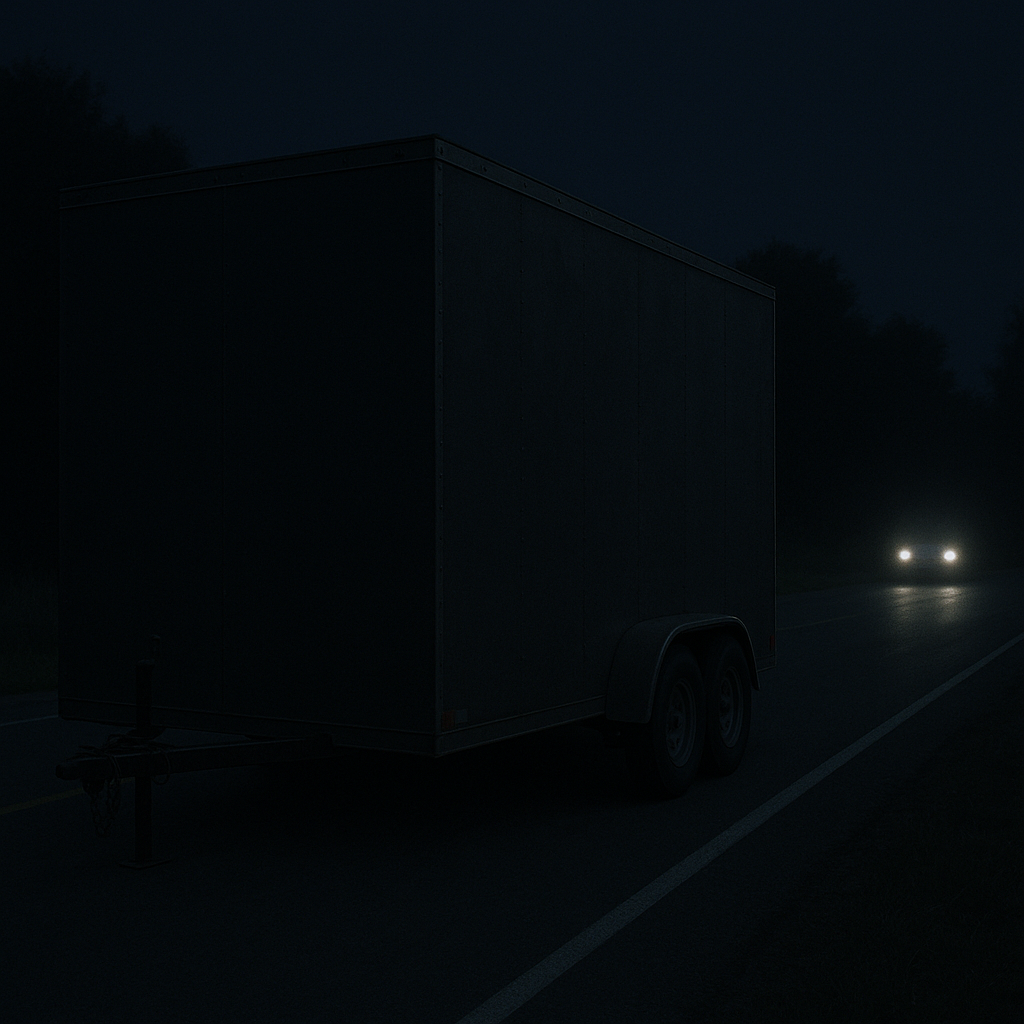
Why Trailers Are Hard to See at Night
Understanding Trailer Night Visibility and Crash Situations
Crashes involving trailers during nighttime hours typically occur when a passenger vehicle collides with the rear or side of a trailer that is either moving slowly, turning, or stopped on the roadway. These incidents often happen in low-light or unlit rural areas where illumination is minimal. Drivers approaching from behind may not notice the trailer until it is too late to safely stop or maneuver around it. This situation is especially prevalent with large commercial trucks but can also involve smaller utility or agricultural trailers.
Trailers are inherently challenging to detect after dark due to several factors. Many trailers have large, flat surfaces and do not outline their dimensions clearly under poor lighting. In some cases, trailers may lack adequate reflective markings or working taillights. Weather conditions such as fog, rain, or dust can further compromise visibility, making trailers even harder to distinguish against a dark background. Even attentive drivers can find themselves unable to perceive the trailer in time, especially at highway speeds.
Why Trailer-Involved Nighttime Crashes Are Often Severe
The outcomes of nighttime trailer crashes are frequently severe due to several contributing features. The lower height and positioning of a trailer compared to the average passenger vehicle mean that collisions often result in significant intrusion into the passenger compartment. Occupants may have little physical protection against striking the rigid, unyielding surface of a trailer at high speed.
Trailer night visibility plays a direct role in these crash dynamics. Lack of sufficient rear or side reflectors, insufficient lighting, or aged and faded markings make the outline of the trailer indistinct. Drivers who cannot see the trailer cannot adjust speed or change lanes with adequate notice, resulting in high-energy impacts.
Vehicle safety features such as airbags and crumple zones are designed for standard crash scenarios, not underrides, which frequently occur in these situations. Emergency braking systems may not always compensate for poor visibility, especially if a trailer suddenly appears in the driver’s field of vision at the last moment. All these factors elevate the risks of serious injury or fatality in these incidents.
How Reduced Trailer Night Visibility Affects Families and Daily Life
The consequences of a severe trailer crash at night extend beyond the immediate scene. When a family member is involved in a major accident, daily life can shift dramatically. Rehabilitation and recovery periods can take weeks or months, requiring adjustments to daily routines, work schedules, and school commitments.
Family members may need to assist with daily activities or transportation for an extended period. Challenges may arise with mobility or the ability to return to driving and independence. Emotional well-being can be impacted as well, with family members experiencing stress or adjusting household responsibilities to accommodate new needs.
The broader effect on a community can also be significant. Roadway safety concerns become a topic of discussion among neighbors and local organizations. Local agencies may review lighting, signage, or enforcement practices on stretches of road where trailer night visibility is known to be problematic. Collectively, these crashes can prompt care, vigilance, and changes in how communities approach nighttime travel.
Making Sense of Trailer Night Visibility Challenges
Efforts to improve trailer night visibility continue to develop, but recognizing why these situations occur remains important. The challenge is rooted in both the design limitations of trailers and the demand for clear visual cues for nighttime drivers. Reflective tape, proper lighting, and regular maintenance can play important roles in preventing these types of crashes. However, not all trailers are equally equipped or maintained, and minor lapses can make a significant difference in visibility.
A common misconception is that headlights alone provide enough illumination for drivers to detect all potential hazards ahead. In reality, the effectiveness of headlights is limited by road design, weather, speed, and the reflective quality of nearby objects. Even highly alert drivers can struggle to recognize a poorly marked or unlit trailer in time to respond.
Quiet Considerations About Nighttime Trailer Safety
Understanding the factors that make trailers hard to see at night can help drivers, families, and communities recognize areas where risks might be present. Awareness of how reduced trailer night visibility contributes to severe accidents underscores the importance of safety measures and regular inspection of trailer markings and lights.
Many aspects of nighttime driving remain challenging, but thoughtful attention to visibility and shared roads can help reduce the likelihood of these serious incidents. Recognizing and addressing the unique hazards trailers present after dark supports a safer environment for all roadway users.