
Why Truck Rollovers Often Involve Multiple Vehicles
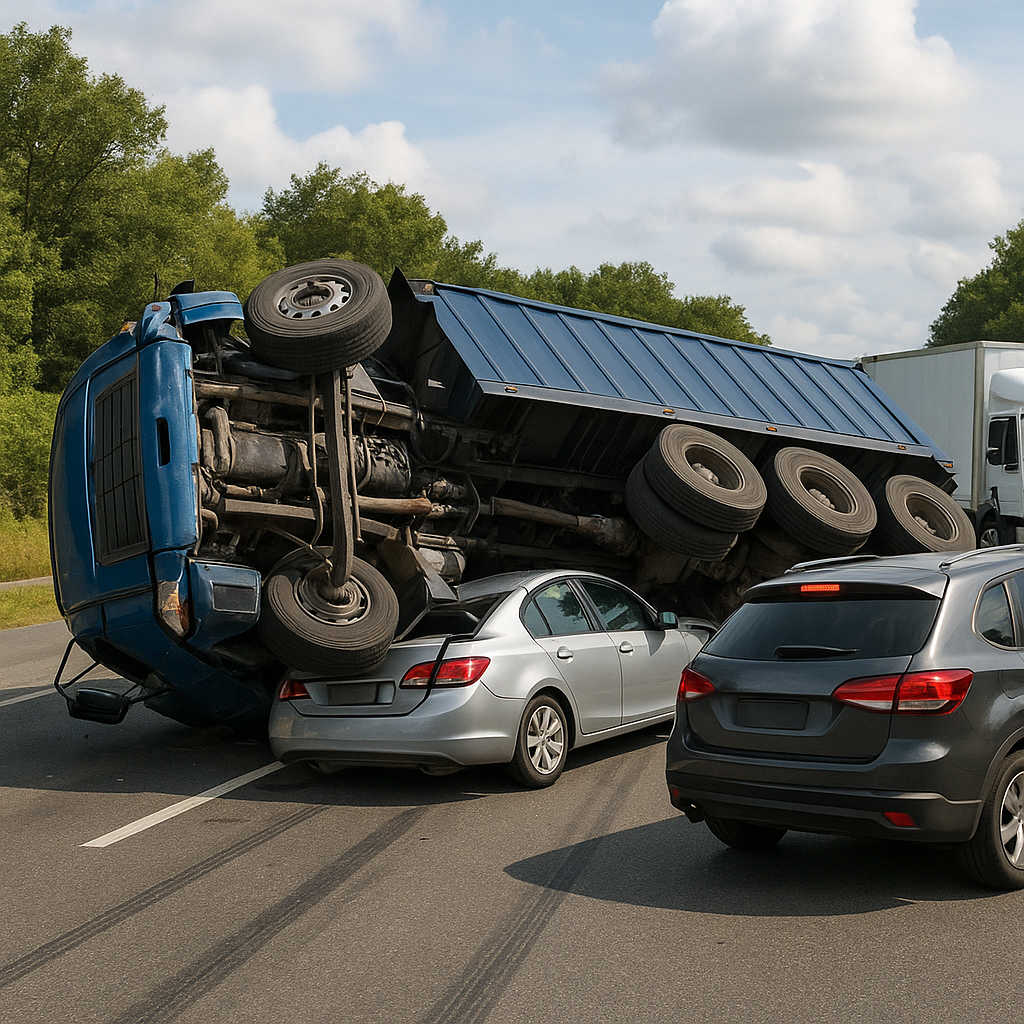
Truck rollovers are a severe roadway event where a large commercial vehicle tips onto its side or roof, often while moving at highway speeds. These incidents usually unfold swiftly and with little warning. Unlike single-vehicle incidents, rollovers frequently draw in other vehicles sharing the road. The complexity of the situation typically increases due to the size and momentum of trucks in motion.
Overview of Rollover Multi Vehicle Crashes
A rollover crash starts when a truck becomes unstable, often during a turn or lane shift. High winds, abrupt maneuvers, or slight misjudgments can lead to this loss of control. Because trucks are much larger and heavier than passenger vehicles, any shift in their balance can be dramatic. When a truck rolls over, it rarely stops immediately, and its large footprint can block several lanes. The sprawling impact area often brings nearby vehicles into the event as they have little time or space to avoid the obstruction.
Passenger vehicles and other trucks may collide with the overturned vehicle or be caught in secondary crashes due to sudden braking. Sometimes, cargo from the overturned truck spills onto the roadway, creating additional hazards that affect multiple lanes. Limited visibility, caused by dust or debris, can also contribute to further vehicles becoming involved. As trucks commonly travel on busy highways, the risk of a rollover multi vehicle event tends to increase wherever traffic is dense.
The Factors That Make Rollover Accidents So Severe
The Influence of Truck Size and Weight
Trucks, particularly loaded ones, have a much higher center of gravity than other vehicles. This makes them more susceptible to tipping if a turn is too sharp or abrupt corrections are made. When a rollover happens, the truck’s weight often leads to a dramatic path of movement, crossing lanes and endangering any nearby vehicles.
Effects on Surrounding Traffic
The swift onset of a rollover means drivers around the truck may not have enough time to react. Because a rolling truck can block several lanes, vehicles traveling close by have minimal room to escape. This chain reaction often results in more than one vehicle being involved, leading to multi-vehicle collisions.
Increased Risks from Cargo Spills
A truck carrying goods, liquids, or hazardous materials may shed its cargo during a rollover. This not only adds obstacles for oncoming traffic, but in some situations, cargo can create slippery surfaces or visibility problems that prompt secondary incidents some distance from the original rollover. These circumstances are a major factor in why rollover multi vehicle crashes can grow in scale rapidly.
The Broader Effects on Families and Everyday Life
Disruptions After a Rollover Multi Vehicle Crash
Major crashes such as rollovers can disrupt traffic patterns for hours or even longer. Road closures and diversions are common, causing delays and affecting commutes, deliveries, and emergency response services. When these incidents involve multiple vehicles, the duration and extent of the disruption often increases due to the need to clear a larger accident scene.
Effects Beyond the Roadway
Families of those involved may experience sudden changes to their routines after a rollover crash. These events may lead to time away from work, school, or regular activities. Even those not directly involved may feel the impact through delayed services or interrupted transportation. In communities where trucking is a vital part of the local economy, the effects can ripple out even further, affecting everything from supply chains to local businesses.
Emotional and Social Challenges
Rollover crashes can lead to emotional challenges for everyone affected. Witnessing such incidents, responding to them, or waiting for news about loved ones can introduce stress. Over time, this may influence how communities perceive and use certain roads or intersections. It can also shape discussions about transportation safety and infrastructure planning.
Understanding These Crashes in Context
Each truck rollover multi vehicle event is shaped by a unique mix of factors, including roadway design, weather, traffic flow, and the type of truck involved. While advances in technology and awareness campaigns continue to address the risks, the size and weight of commercial trucks make rollovers an ongoing concern for public safety and roadway management.
Truck rollovers often involve multiple vehicles because of the truck’s physical characteristics, the nature of modern traffic patterns, and the unpredictable consequences of spilled cargo and blocked roads. Understanding the causes and broader effects of these events helps communities and planners reflect on ways to improve safety and reduce future risks. Ultimately, the aim is to foster safer roadways for everyone who shares them.