
Why Underride Crashes Are So Deadly
Understanding Underride Crashes Involving Trucks
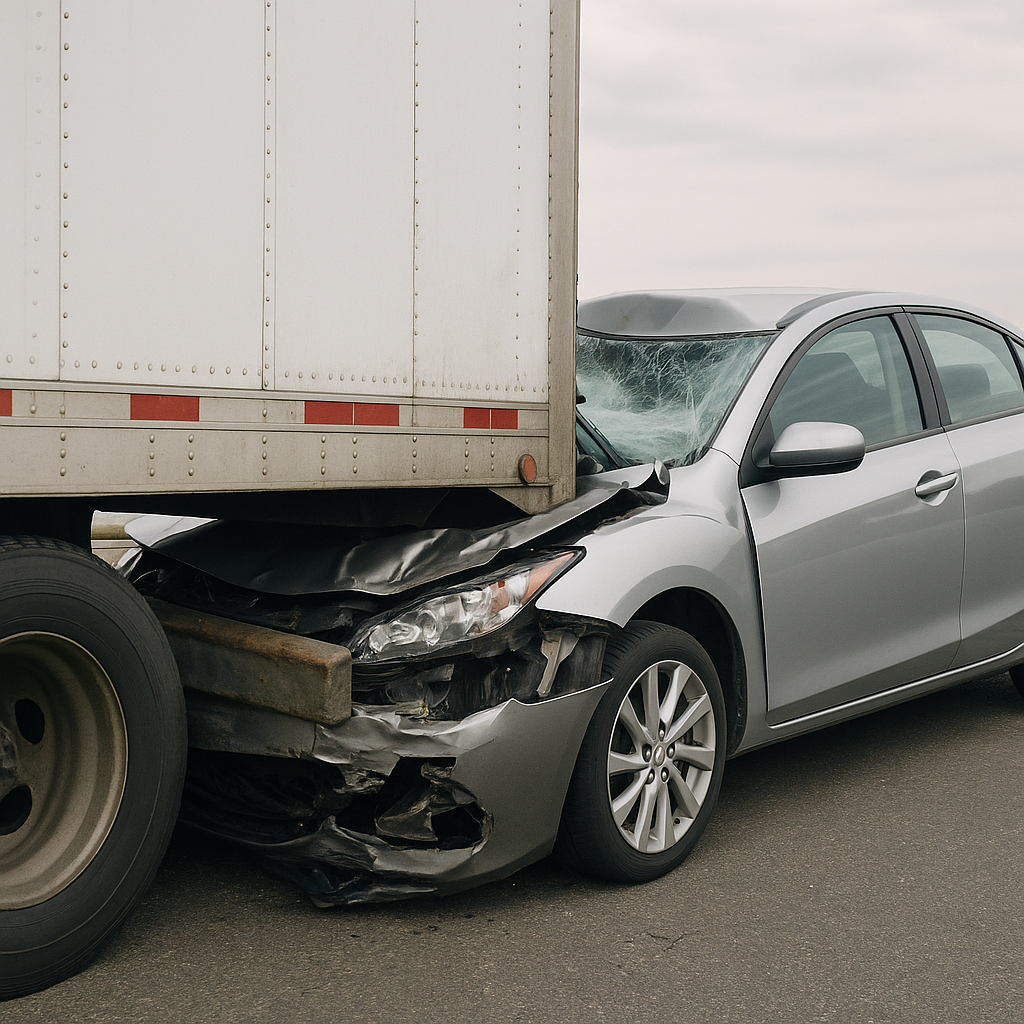
Underride crashes are a specific type of collision that often occurs between smaller passenger vehicles and large commercial trucks or trailers. These collisions happen when a car slides under the rear or side of a much taller truck, causing the lower vehicle’s front end to end up beneath the truck’s higher undercarriage. The situation frequently arises in scenarios where the truck is slowing down, stopped, or making turns, and the approaching car cannot stop in time or fails to notice the slowed truck ahead.
The difference in height between the undercarriage of most large trucks and the front end of passenger cars is a central factor in underride crashes. While many trucks are equipped with underride guards, these safety devices are sometimes absent or not strong enough to stop a car from sliding underneath the larger vehicle.
Factors That Make Underride Accidents Particularly Severe
One of the primary reasons underride collisions are so deadly is related to the structural design of passenger vehicles versus commercial trucks. Most cars are designed with crumple zones and advanced safety features that protect occupants by absorbing impact energy in the event of a front or rear crash. However, when a passenger car collides with a much taller truck and slides underneath, the front of the car often bypasses these protective zones altogether. Instead, the impact is focused at the level of the windshield or roof, which are not engineered to absorb crash forces in the same way as the front bumper and frame.
As a result, the passenger compartment, where occupants are seated, bears the brunt of the force. This leads to a much higher chance of severe injury. Moreover, airbags and seatbelts offer limited protection against the unique mechanics of an underride crash, especially when the point of contact is above the level of the dashboard.
The speed at which underride collisions often occur also contributes to their severity. Higher-speed impacts increase the likelihood of catastrophic outcomes because there is less time for either driver to react or slow down before the moment of impact.
Short- and Long-Term Effects of Underride Collisions on Survivors
Immediate Consequences of Underride Impacts
People who survive underride crashes can face a range of serious consequences immediately afterward. Hospitalization is often required for survivors, given the nature and potential extent of the injuries sustained. Recovery often depends on a combination of medical support, rehabilitation, and the individual’s overall health prior to the collision.
Navigating Physical Recovery and Rehabilitation
Physical recovery after an underride crash frequently involves addressing severe trauma that may affect multiple areas of the body. Depending on the specifics, individuals may undergo surgeries, prolonged hospital stays, and extensive physical therapy. Recovery timelines vary based on the severity of the crash and the nature of the injuries. Some may recover function over months, while others may experience ongoing limitations.
Emotional and Psychological Impact on Survivors
In addition to physical effects, survivors often face psychological and emotional challenges. The suddenness and seriousness of underride incidents can lead to anxiety, difficulty regaining confidence on the road, and lasting stress. Recovery in this area may involve counseling or other forms of psychological support, helping individuals adjust to any changes in daily life following a crash.
The Ripple Effect on Family Life and Daily Routines
When an underride accident occurs, its effects extend far beyond the individuals directly involved. Families may need to adjust quickly to new demands, ranging from managing medical appointments to assisting with daily activities during the recovery period. This can place strains on relationships, finances, and household routines, as family members often take on roles as caregivers in addition to their regular responsibilities.
Daily life frequently shifts to accommodate the needs of someone recovering from a serious crash. Routine tasks like transportation, household chores, and employment may be disrupted, requiring flexibility and support from the broader community. Over time, some families find new ways to adapt and regain a sense of normalcy, but the initial months following an underride crash can be especially demanding.
Reflection on the Deadliness of Underride Crashes
Underride crashes highlight the complex interplay between vehicle structure, crash mechanics, and safety features. The unique characteristics of these collisions explain why underride accidents are so deadly compared to other types of vehicle crashes. For survivors and their families, the journey after an underride collision involves significant adaptation, resilience, and support. Awareness of the risks and impacts associated with underride collisions can play a role in fostering conversations about prevention and safety improvements in the future.