
Why Underride Guards Do Not Always Prevent Injury
How Underride Collisions Happen
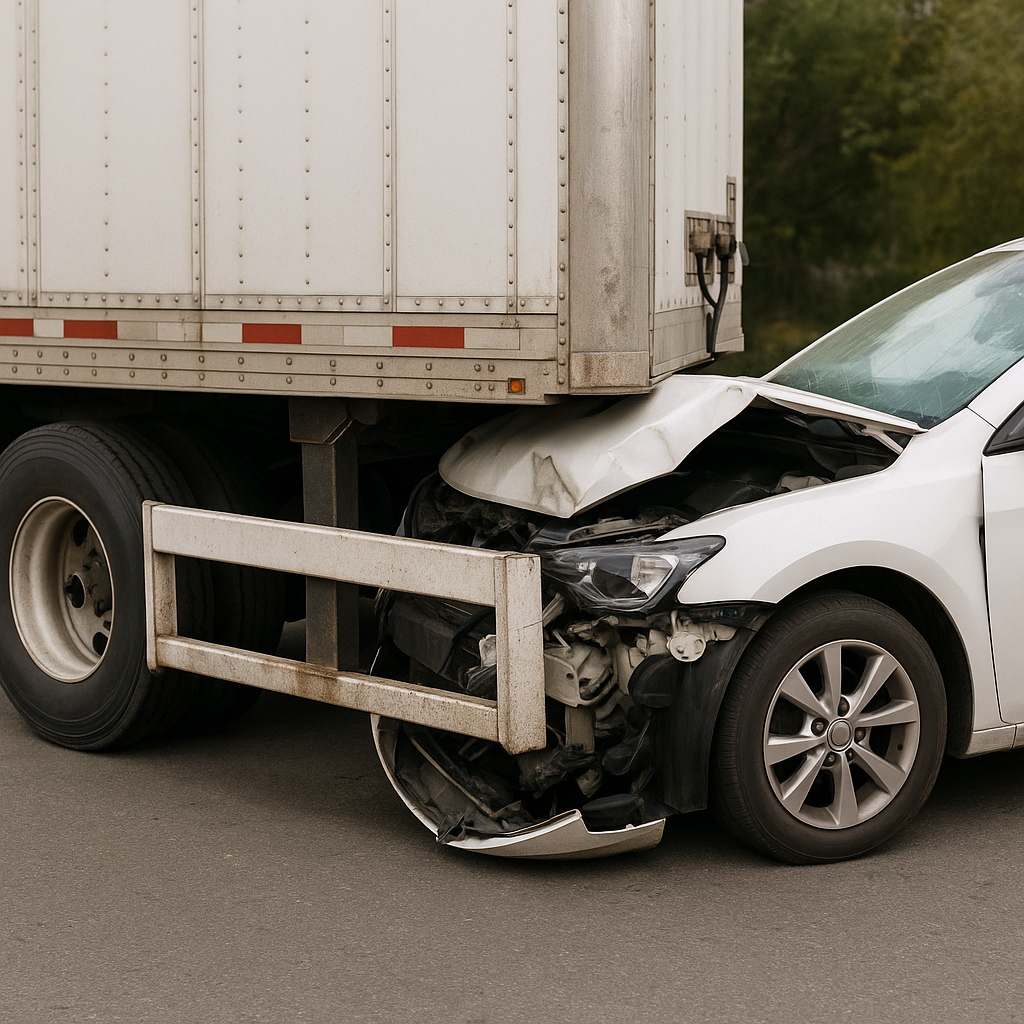
Underride collisions occur when a smaller vehicle strikes the rear or side of a large commercial truck and ends up sliding underneath it. This type of crash often involves passenger cars meeting the trailer edge well below the usual line of impact for their safety features. Standard road conditions, especially reduced visibility, wet pavement, or sudden traffic changes, can contribute to the occurrence of these accidents. In most situations, the underride guard—a metal bar attached to the lower edge of the truck—helps to reduce the risk by providing a physical barrier.
Despite these measures, underride guards have limitations. Their designs vary in strength and placement, depending on the truck and where the guard is installed. These differences can affect whether or not the guard is able to stop a vehicle from sliding under the trailer, especially at higher speeds or if either vehicle is maneuvering abruptly. Guard prevention limits become more apparent in cases involving side underride crashes, as side guards are not always present, and when present, may not be as robust as the rear ones.
Physical Consequences of Underride Accidents
Impacts with underride guards can still result in severe consequences for the occupants of the smaller vehicle. The primary reason for this is the mismatch in the size and height between vehicles. Even with a guard, the structure may deform, detach, or fail to absorb the collision’s force effectively, particularly if the impact occurs at an angle or at high velocity. The safety features in passenger vehicles, such as airbags and seatbelts, are designed to protect occupants in frontal and side crashes at certain points of contact. However, an underride event places forces on the vehicle in areas where these systems may offer limited benefit.
Additionally, the geometry of the truck can play a role in the outcome. Some trailers have guards mounted several inches above the ground or reinforced only at certain locations, creating vulnerable zones. In these cases, the collision may happen in a way that bypasses the guard almost entirely.
Long-Term Impact on Physical and Emotional Health
Survivors of underride crashes often face a lengthy and complex recovery process. Even if the guard successfully prevents a complete underride, the force of the collision may still cause significant injuries. Physical recovery can involve hospitalization, surgery, and rehabilitation lasting from weeks to months. Recovery timelines can be affected by the severity of the injuries, the individual’s general health, and the initial emergency response.
The effects of these types of accidents are not solely physical. Many people experience emotional or psychological stress in the aftermath, including anxiety about travel, disruptions to sleep, and changes in daily activities. These changes might persist long after physical injuries have healed. The gradual return to daily routines may require professional support and sustained effort, especially if the crash leads to lasting changes in mobility or independence.
Extended Effects on Families and Daily Life
When someone is injured in an underride collision, the consequences are seldom isolated to the individual involved. Family members may take on new responsibilities, including acting as caregivers or adjusting schedules to accommodate appointments and therapy. This adjustment can lead to shifts in family dynamics, daily routines, and even employment situations.
Households might need to make modifications for accessibility or rethink transportation needs, especially if the injured person is unable to drive for an extended period. Children in the family may require additional support to process changes they do not fully understand, such as why a parent or sibling is suddenly home more often or unable to participate in certain activities.
Isolation and changes in social activity often follow major injuries, particularly those that impact mobility or self-reliance. Over time, both the injured person and their family may adapt to new routines, but the adjustment can be gradual and accompanied by periods of uncertainty.
Adaptation and Community Support
Accessing community resources, whether for physical rehabilitation, transportation, or emotional support, often plays a key role in the adjustment process. Schools, workplaces, and local organizations may offer accommodations to ease some of the burdens associated with recovery.
Ongoing Developments in Truck Safety
Efforts to improve underride guard technology continue, as manufacturers and safety regulators study real-world crashes to identify weaknesses. Stronger, more consistent standards for guard design are under consideration in many regions. However, because roadway conditions, truck variations, and collision scenarios are so complex, no single solution currently exists that eliminates the risk entirely. Ongoing research and technological improvements hold promise, but the inherent risks remain a concern in modern transportation.
Closing Thoughts on Guard Prevention Limits
Underride guards represent a significant advancement in truck safety, but their ability to prevent injury is limited by design, maintenance, and real-world crash variables. These prevention limits highlight the continuous need for innovation and awareness. For those affected by underride collisions, the process of rebuilding health and daily life is substantial, requiring resilience and patience over time. Understanding the limitations of current safety measures can help inform future improvements while supporting individuals and families as they move forward after such incidents.